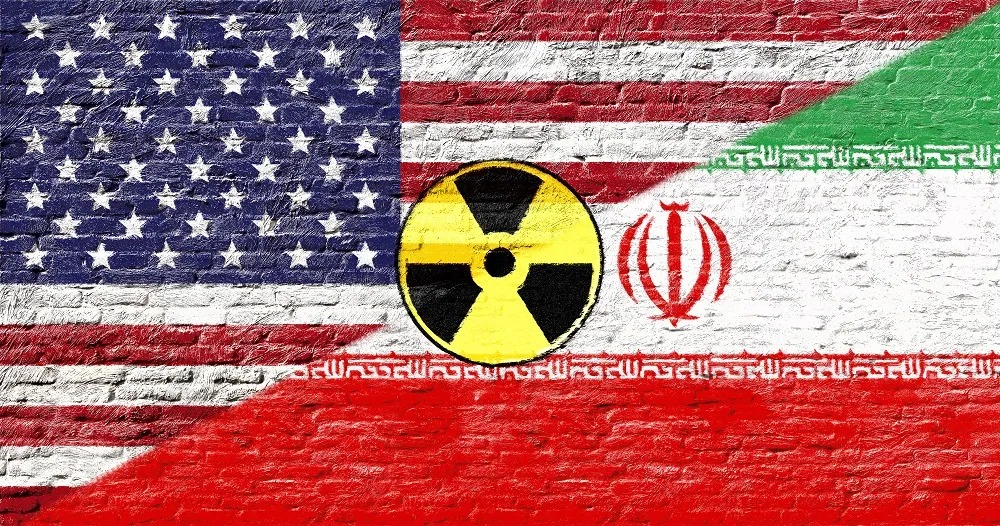
Iran has formally rejected the latest US proposal, with its Embassy in India stating that Tehran's position reflects the "fundamental rights" of the Iranian nation. The declaration signals deepening deadlock in nuclear diplomacy and raises fresh concerns over escalating tensions in an already volatile Middle East landscape.
A Firm No From Tehran
Iran's Embassy in India issued a pointed diplomatic statement on Monday, asserting that the country's rejection of the US plan is rooted in national sovereignty and inalienable fundamental rights. The communication, channelled through New Delhi, underscores Iran's unwillingness to engage with any framework that does not first acknowledge its sovereign entitlements marking yet another breakdown in a long-strained diplomatic relationship.
What The US Plan Proposed
While full details of the American proposal remain officially undisclosed, reports suggest Washington sought significant concessions on Iran's uranium enrichment programme in exchange for partial sanctions relief. The offer was reportedly part of a broader diplomatic push by US envoys to revive a modified version of the 2015 Joint Comprehensive Plan of Action, which the US unilaterally exited in 2018 under the Trump administration.
Tehran's Fundamental Rights Argument
Iran's framing of its rejection as a matter of "fundamental rights" is both deliberate and strategically loaded language. By positioning its nuclear programme as a sovereign right rather than a bargaining chip, Tehran is drawing a firm red line signalling that enrichment capabilities, energy independence, and regional deterrence posture are non-negotiable regardless of economic pressure through sanctions.
Why India Is The Messenger's Stage
Iran's decision to communicate this stance through its Embassy in India carries layered diplomatic significance. India maintains carefully calibrated ties with both Tehran and Washington, importing Iranian oil historically while also nurturing its strategic partnership with the United States. This makes New Delhi a credible, neutral amplification platform for Iran to deliver pointed messaging to a global audience without triggering direct bilateral confrontation with Washington.
The Broader Impact On Regional Stability
The rejection arrives at a particularly combustible moment. Ongoing military tensions in the Middle East, heightened activity around the Strait of Hormuz, and proxy conflicts across the region have already pushed global oil markets into a state of heightened anxiety. Any further deterioration in US-Iran relations risks triggering crude price spikes, which would directly impact import-dependent economies like India.
Geopolitical Flashpoint Highlights
- Iran formally rejects US nuclear proposal, invoking national fundamental rights as core justification
- Iranian Embassy in India serves as the official channel for Tehran's diplomatic statement
- US proposal reportedly sought uranium enrichment curbs in exchange for partial sanctions relief
- Rejection signals collapse of latest diplomatic push to revive a modified JCPOA framework
- India's balanced foreign policy positioning used strategically as Iran's global messaging platform
- Strait of Hormuz and regional oil supply routes remain under close international watch
- Global crude oil markets and emerging economy currencies face renewed volatility risk
- No immediate diplomatic back-channel or follow-up dialogue reported as of Monday morning
Sources: Reuters, ANI, Al Jazeera, The Hindu, Bloomberg Geopolitics, Associated Press, Times of India