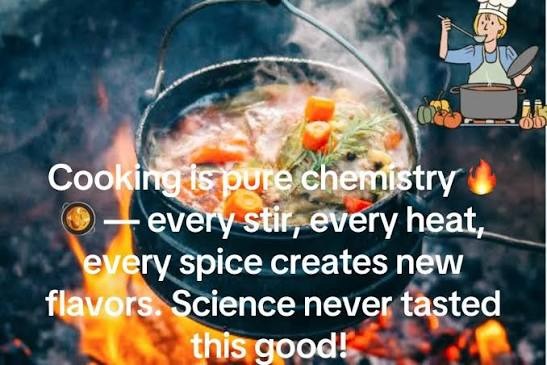
Cooking is fundamentally an application of chemistry and physics where heat transforms raw ingredients. Understanding thermal dynamics, protein denaturation, and the Maillard reaction allows cooks to enhance flavor, optimize texture, and preserve essential nutrients for healthier, more consistent culinary outcomes.
Culinary experts explore how thermal dynamics, chemical reactions, and molecular transformation dictate flavor and texture in everyday cooking.
Cooking is fundamentally an exercise in applied chemistry and physics, where heat application transforms raw organic materials into complex, flavorful meals. In September 2026, culinary scientists and food research institutions highlighted how understanding the science of good cooking empowers home cooks and professional chefs alike to master technique over mere recipe-following. By examining the Maillard reaction, protein denaturation, and emulsion stability, culinary enthusiasts can manipulate temperature and molecular structures to optimize taste, aroma, and nutritional retention in every dish.
Thermal Dynamics and Chemical Transformations
At the heart of culinary science lies the controlled application of thermal energy. When heat interacts with food molecules, it triggers a cascade of chemical reactions. The Maillard reaction, occurring between amino acids and reducing sugars when exposed to high heat above 140°C, produces the rich, savory browning flavors characteristic of seared meats, roasted coffee, and baked bread. Conversely, boiling or steaming relies on lower, regulated temperatures via water transfer, preserving delicate water-soluble vitamins and tenderizing connective tissue without scorching.
According to food science research and culinary guidelines published by the Council of Scientific and Industrial Research (CSIR) and the Food Safety and Standards Authority of India (FSSAI), mastering heat transfer and precise temperature control is essential for preventing foodborne pathogens while maximizing textural appeal. Understanding these foundational reactions allows cooks to adjust cooking times dynamically based on ingredient density and moisture content.
Impact on Consumer Health and Culinary Practice
For home cooks, consumers, and culinary businesses, applying scientific principles to kitchen practices enhances both nutritional value and meal consistency. Knowing how emulsifiers stabilize mixtures like vinaigrettes and mayonnaise, or how starches gelatinize to thicken sauces, removes guesswork from food preparation.
Furthermore, nutritional retention is heavily influenced by cooking methods. Steaming and quick-stir frying retain higher concentrations of heat-sensitive micronutrients compared to prolonged boiling or deep-fat frying. According to official consumer health advisories and nutritional guidelines issued by agricultural extension boards, adopting science-backed cooking techniques contributes to healthier dietary habits and reduced food waste.
"According to officials, understanding the basic chemical and physical principles of food preparation is vital for improving domestic culinary standards and ensuring nutritional preservation."
Key Facts at a Glance
Core Mechanism: Cooking utilizes thermodynamics and chemical reactions to transform raw ingredients into digestible, flavorful meals.
The Maillard Reaction: Browning occurs when amino acids and sugars react at high temperatures, creating complex flavor profiles.
Nutritional Impact: Controlled cooking methods like steaming help preserve heat-sensitive vitamins and essential micronutrients.
Supervising Standards: Guidelines on safe food preparation and nutrition are supported by national research and safety boards.
Frequently Asked Questions
What is the science behind food browning? Browning is primarily caused by the Maillard reaction, a chemical reaction between amino acids and reducing sugars under heat.
How does heat affect nutrient retention during cooking? High heat and prolonged boiling can destroy water-soluble vitamins, whereas steaming or quick cooking preserves them more effectively.
Why is temperature control important in the kitchen? Precise temperature management ensures food safety by eliminating pathogens while optimizing texture and flavor.
Where can official food safety and preparation standards be reviewed? Guidelines and research publications are hosted on the Food Safety and Standards Authority of India (FSSAI) portal.
Source: Food Safety and Standards Authority of India (FSSAI), Council of Scientific and Industrial Research (CSIR)