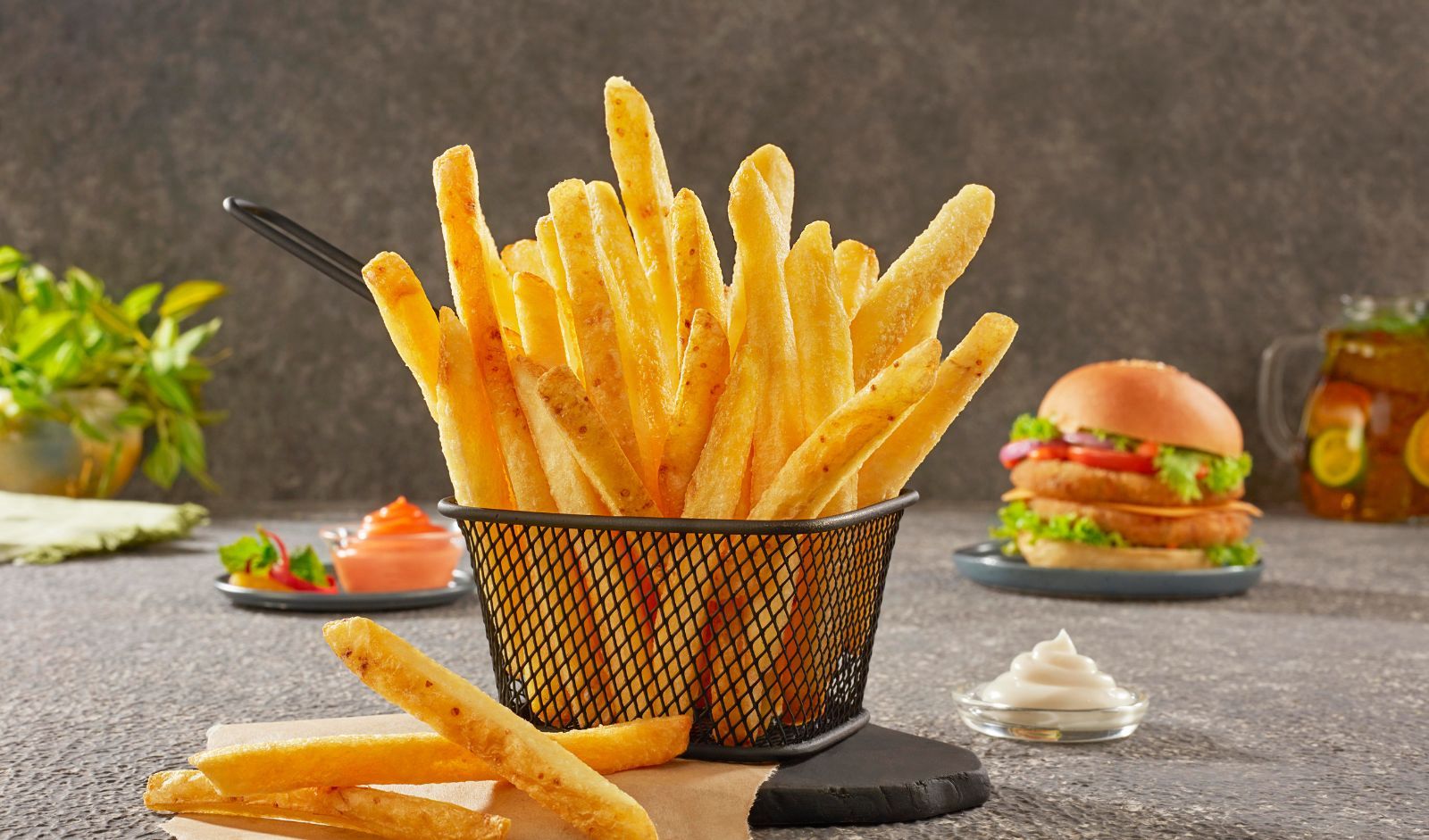
French fries have become a powerhouse in India’s food economy, transitioning from a simple side dish to a major retail and QSR driver. Fueled by urban demand and improved cold-chain logistics, the frozen potato market is projected to reach over USD 5 billion by 2034, strengthening domestic manufacturing and exports.
From a side-dish afterthought to a sales powerhouse, French fries are reshaping India’s Quick Service Restaurant (QSR) and frozen food landscape.
MUMBAI — The humble French fry has ascended to the center of India’s food economy, evolving from a simple QSR side item into one of the fastest-growing categories in the nation’s frozen food industry. Industry leaders, including major potato processors and foodservice players, report that this "fry frenzy" is being driven by a surge in urban convenience cravings, a massive expansion of QSR footprints, and an increasing appetite for ready-to-cook snacks.
Fries as an Economic Engine
Market experts highlight that French fries have graduated from an "add-on" to a strategic "anchor" item for businesses. For foodservice operators like Sandwizzaa, fries serve as a crucial contributor to the bottom line. According to Pankaj Sharma, Director at Sandwizzaa, fries not only complete the meal experience but also provide a consistent reason for customers to choose combo deals, ultimately driving repeat visits and increasing the average basket size.
This growth is mirrored on the supply side. Haresh Karamchandani, Managing Director and Group CEO of HyFun Foods, describes the shift as a transition from "popular side dish" to "sales powerhouse." Driven by an integrated farm-to-fork model, India has muscled its way into the global frozen potato trade, with companies like HyFun now exporting premium Indian fries to over 40 countries.
Market Growth and Infrastructure
The Indian frozen French fries market is experiencing explosive expansion, valued at approximately USD 1.89 billion in 2024 and projected to reach USD 5.17 billion by 2034, growing at a notable CAGR of 10.60%. This trajectory is supported by several key factors:
Infrastructure Investment: Significant improvements in cold-chain logistics and temperature-controlled storage have made year-round availability of frozen products possible across urban and semi-urban India.
Urbanization and Lifestyles: As more than 40% of the Indian population is expected to live in urban areas by 2030, the demand for convenient, ready-to-eat, and ready-to-cook snacks has soared.
Domestic Production Muscle: Successful contract farming models, particularly in states like Gujarat and Madhya Pradesh, have ensured a steady supply of processing-grade potatoes, allowing India to compete with global standards.
Why It Matters
For consumers, this trend signifies a permanent change in dining habits, where premium, standardized snacks are increasingly accessible via retail shelves and quick-commerce platforms like Blinkit and Swiggy Instamart. For the broader Indian economy, the rise of "fry-based" businesses represents a successful case study in "Make in India" manufacturing, where local processing prowess is meeting both domestic demand and global export requirements.
Key Facts at a Glance
Market Outlook: The Indian frozen potato products market is projected to reach USD 4.5 billion by 2034, growing at nearly 9.5% annually.
Global Footprint: India has transitioned from a net consumer to a major exporter, with over 135,000 tonnes of French fries exported in the 2023-24 period.
Business Impact: Leading processors like HyFun Foods are scaling capacity to over 250,000 tonnes annually to support rising B2B and retail demand.
Consumer Drivers: Fries are a staple in the vegetarian-heavy Indian QSR market, where veg-friendly snacks consistently drive 55–60% of sales.
FAQ
Why are French fries growing so fast in India?
Growth is driven by the rapid expansion of QSR chains, rising disposable incomes in urban centers, the proliferation of digital food ordering platforms, and the increasing convenience of frozen, ready-to-cook products.
Is India now a major exporter of fries?
Yes, India has emerged as a key global player, exporting thousands of tonnes of frozen French fries to markets including the Philippines, Malaysia, Japan, and the Middle East.
How has the supply chain improved?
The industry has adopted sophisticated contract farming and cold-chain infrastructure, ensuring that high-quality, processing-grade potatoes are available year-round for both domestic and international processing plants.
Source: Indian Television, PotatoPro, Research and Markets