Iron is vital for oxygen transport and energy. By including sources like lean meats, shellfish, legumes, spinach, fortified cereals, pumpkin seeds, and tofu, individuals can effectively prevent deficiency. Enhancing absorption by pairing these foods with vitamin C while avoiding tea and coffee during meals optimizes overall health and vitality.
Essential for hemoglobin production and oxygen transport, incorporating iron-rich foods into your diet is a key strategy for maintaining energy and preventing anemia.
NEW DELHI — Maintaining adequate iron levels is a fundamental pillar of health, yet iron deficiency remains one of the most common nutritional disorders globally. As an essential mineral that the body cannot produce on its own, iron must be obtained entirely through a well-balanced diet to support vital functions, including red blood cell production, muscle health, and hormone regulation.
According to the U.S. National Institutes of Health (NIH), iron is a critical component of hemoglobin, the protein in red blood cells that carries oxygen from the lungs to every cell in the body. Without sufficient iron, the body struggles to transport oxygen, leading to fatigue, weakness, and decreased cognitive function.
Understanding Iron Types
Nutritional science categorizes dietary iron into two distinct types, each with different absorption rates:
Heme Iron: Found in animal-based products such as red meat, poultry, and seafood, this form is highly bioavailable and easily absorbed by the body.
Non-Heme Iron: Found in plant-based sources like legumes, grains, and vegetables, this form is more abundant but requires specific dietary pairings to improve absorption.
7 Essential Iron-Rich Foods
To optimize your intake, nutritionists recommend integrating a variety of these seven nutrient-dense foods:
Lean Meats: Beef, lamb, and organ meats (such as liver) are among the most potent sources of heme iron, offering a significant boost to hemoglobin levels.
Shellfish: Oysters, clams, and mussels provide high concentrations of easily absorbed iron, making them an excellent choice for those who include seafood in their diet.
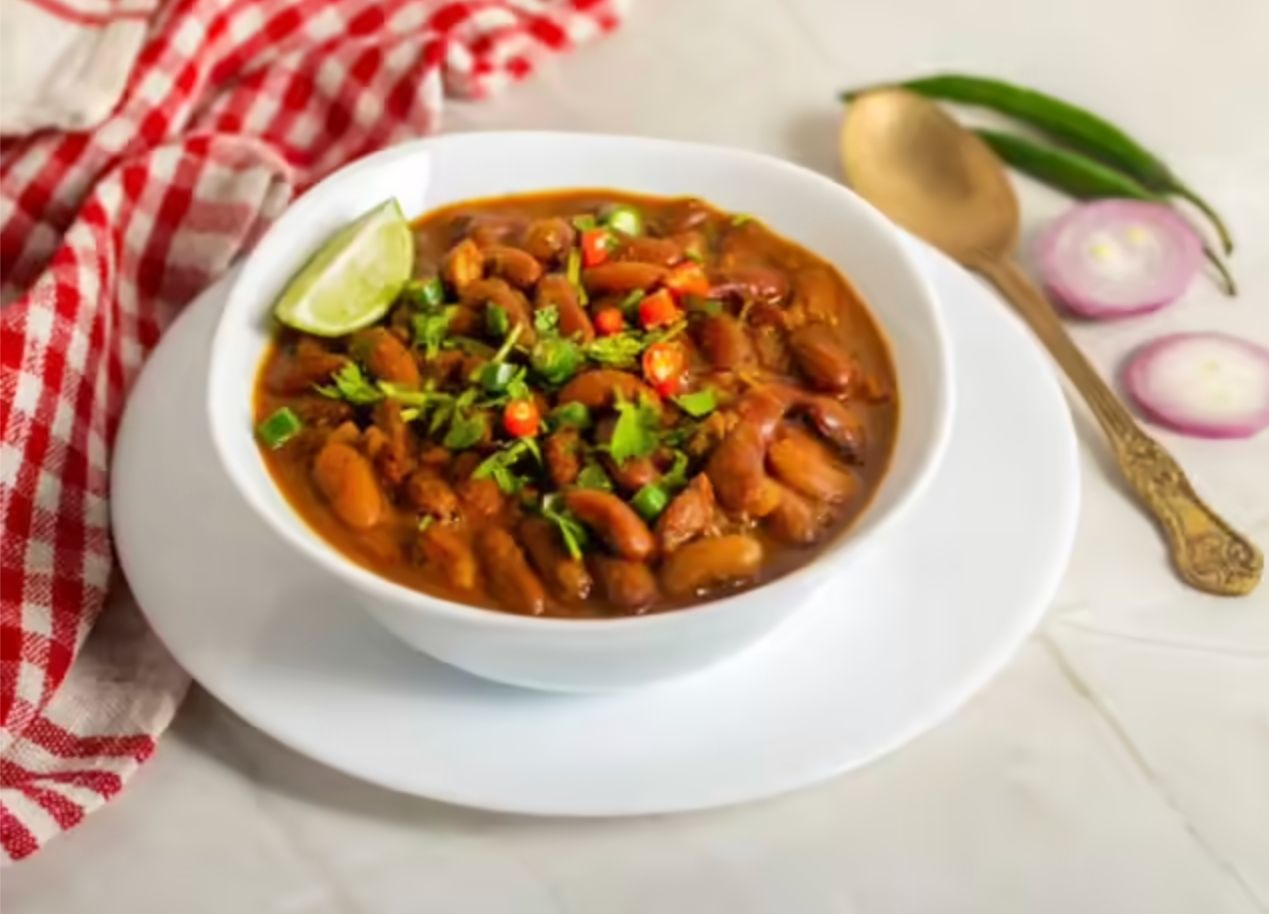
Legumes: Lentils, chickpeas, and various beans are powerful sources of non-heme iron. These are essential staples for plant-based diets.
Spinach and Leafy Greens: Dark, leafy vegetables like spinach, kale, and Swiss chard provide non-heme iron. When cooked, the iron content becomes more concentrated per serving.
Fortified Cereals and Grains: Many breakfast cereals, breads, and pastas are enriched with iron. These products are often the primary source of iron for individuals who do not consume animal products.
Pumpkin Seeds: These seeds are a nutrient-dense powerhouse, providing a convenient and plant-based way to increase daily iron intake.
Tofu: A versatile protein source for vegetarians, tofu provides a substantial amount of non-heme iron, making it a staple in balanced diets.
Maximizing Absorption
Experts advise that the timing of your meals can significantly influence how effectively your body utilizes iron. "According to officials at the National Institutes of Health (NIH)," consuming vitamin C—found in citrus fruits, bell peppers, and strawberries—alongside iron-rich plant foods can significantly enhance the body's absorption of non-heme iron. Conversely, compounds found in tea, coffee, and high-calcium foods may inhibit iron uptake, so it is often recommended to consume these separately from primary iron sources.
Why It Matters
For citizens and health-conscious consumers, understanding the distinction between iron types is crucial. Iron deficiency anemia, if left unaddressed, can lead to chronic fatigue, impaired immune function, and, in children, delayed developmental milestones. Maintaining a diverse diet that includes both heme and non-heme sources ensures the body has the fuel it needs for optimal performance.
Key Facts at a Glance
Two Types: Heme iron (from animals) is absorbed more efficiently than non-heme iron (from plants).
Vitamin C Synergy: Pair plant-based iron with vitamin C to boost absorption.
Inhibitors: Tea, coffee, and calcium supplements can interfere with iron absorption when taken alongside meals.
Daily Needs: Requirements vary based on age, sex, and pregnancy status; individuals following plant-based diets may require higher intakes.
FAQ
What are the common symptoms of low iron?
Common symptoms include unexplained fatigue, shortness of breath, pale skin, dizziness, and difficulty concentrating.
Can plant-based diets provide enough iron?
Yes, but since non-heme iron is less easily absorbed, those on plant-based diets may need to consume a higher quantity of iron-rich foods and be mindful of absorption boosters like vitamin C.
Should I take iron supplements?
Supplements should only be taken under medical supervision. Excessive iron intake can lead to organ damage and other health complications.
Source: NIH Office of Dietary Supplements, HealthLinkBC, Hematology.org