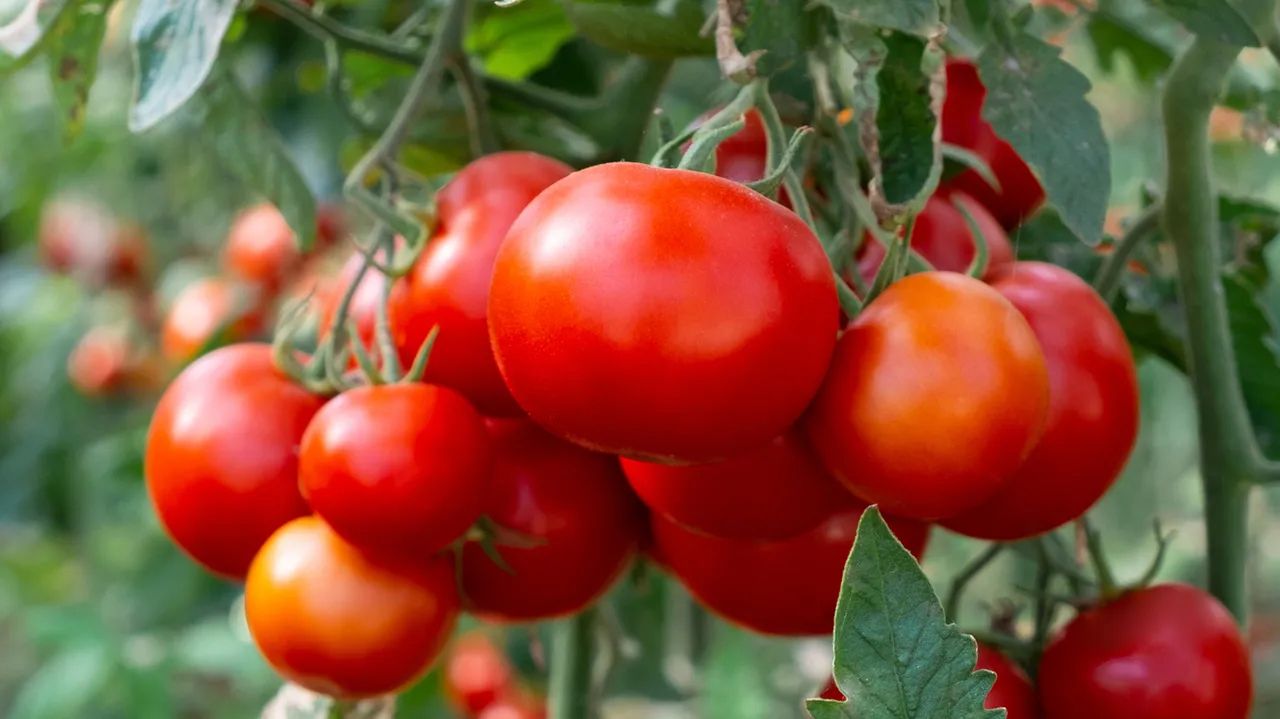
Though central to Indian cuisine, tomatoes are not native to the subcontinent. Introduced by Portuguese traders from the Andes in the 16th century, they transitioned from an ornamental plant to a vital agricultural commodity. Today, India is the world's second-largest producer, reflecting the tomato's deep integration into domestic food culture.
While tomatoes are now essential to Indian cuisine, their journey from the Andes to the subcontinent is a fascinating tale of global trade.
NEW DELHI — Despite being a foundational element of curries, chutneys, and dals across India, the tomato is a relatively recent addition to the country’s culinary map. Botanically known as Solanum lycopersicum, this fruit—often treated as a vegetable—traveled thousands of miles before becoming the ubiquitous ingredient found in kitchens from Kashmir to Kanyakumari.
Historical records confirm that the tomato is native to the Andean region of South America, specifically parts of modern-day Peru, Bolivia, and Chile. Its arrival in India is inextricably linked to the age of maritime exploration and the influence of European colonial powers, specifically the Portuguese, who introduced the plant in the 16th century.
The Trans-Atlantic Voyage
The tomato’s migration began following the Spanish conquest of the Americas. As European explorers established trade routes, the plant was initially viewed with suspicion in Europe, where it was often considered ornamental or potentially toxic due to its resemblance to other nightshade family members.
According to botanical historians and the Indian Council of Agricultural Research (ICAR), the tomato entered India through Portuguese trading posts in the 1500s. Unlike in Europe, where its culinary adoption was gradual, the tomato found a more receptive environment in the tropical climate of India. It eventually gained widespread popularity in the 19th century, as British colonial influence accelerated its distribution through regional markets.
Culinary Transformation
The integration of the tomato into the Indian diet fundamentally altered the country's flavor profile. Before its widespread adoption, acidity in Indian cooking was largely provided by tamarind, raw mango, or kokum. The tomato offered a convenient, shelf-stable, and flavorful alternative, eventually becoming a staple in commercial and home cooking.
"According to officials" at the National Horticulture Board, the tomato is now one of the most widely cultivated horticultural crops in India. It serves as a vital economic driver for farmers, particularly in states like Andhra Pradesh, Karnataka, and Maharashtra, which lead the nation in production volume.
Why It Matters
The tomato's journey underscores the interconnectedness of modern global food systems. Today, the price and availability of tomatoes are frequently treated as national economic indicators in India, reflecting the ingredient's deep integration into the domestic food security framework. Understanding the origins of such a staple offers consumers perspective on how global history has shaped their daily diet, influencing everything from trade policies to seasonal market volatility.
Key Facts at a Glance
Origin: The Andes region of South America.
Arrival in India: Introduced by Portuguese traders in the 16th century.
Global Classification: Botanically a fruit, culinarily treated as a vegetable.
Production Status: India currently ranks as the second-largest producer of tomatoes globally.
Economic Impact: Tomato market prices are a primary benchmark for regional inflation indices.
FAQ
When did tomatoes become a staple in Indian cooking?
While introduced in the 16th century, tomatoes only became a truly ubiquitous staple in Indian kitchens during the 19th and early 20th centuries.
What did Indians use for acidity before tomatoes?
Before the widespread availability of tomatoes, acidity in Indian dishes was traditionally provided by tamarind, amchur (dried mango powder), lemon, and kokum.
How has tomato cultivation changed the Indian economy?
The massive scale of tomato production now supports millions of farmers and creates significant seasonal trade activity, making it a critical crop for agricultural stakeholders.
Source: Indian Council of Agricultural Research, National Horticulture Board, Botanical Survey of India