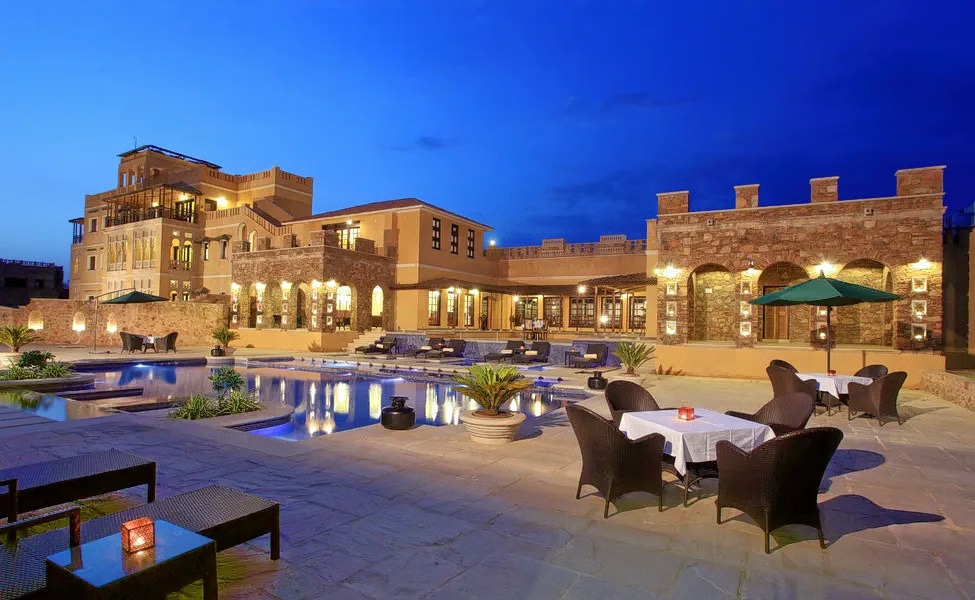
Hotel chains are increasingly pivoting toward a lucrative middle ground between luxury and budget segments, capitalizing on rising consumer spending and strong domestic travel demand. This asset-light mid-scale expansion is driving resilient growth across emerging urban markets.
Major hotel operators are shifting development focus away from exclusive luxury and low-end properties to capture a profitable middle ground across emerging urban markets.
Hospitality Giants Pivot Toward Mid-Scale and Upper Upscale Growth
NEW DELHI — Driven by a surge in domestic consumer spending and rising disposable incomes, top hotel chains across India and international markets are zeroing in on a profitable middle ground between opulent luxury palaces and standard budget stays. Major hospitality groups are aggressively expanding their mid-scale, upscale, and upper-upscale portfolios to capture steady demand from modern corporate travelers and upwardly mobile leisure tourists.
The strategic pivot comes as industry data highlights that mid-market properties offer an optimal balance of high occupancy volumes and attractive average daily rates (ADR). While luxury flagships frequently experience seasonal volatility, branded mid-tier properties deliver consistent, high-margin cash flow, prompting hospitality leaders to accelerate asset-light developments in Tier 2 and Tier 3 cities.
Market Dynamics and Strategic Portfolio Expansion
Capturing Rising Domestic Consumption
According to recent industry analyses and corporate disclosures from major hotel operators, consumer travel behavior has evolved significantly. Domestic leisure travel and business trips have rebounded past pre-pandemic benchmarks, with middle-income consumers prioritizing experiential stays. To accommodate this demographic, global giants and domestic leaders like The Indian Hotels Company Limited (IHCL), ITC Hotels, and Lemon Tree are scaling up specialized mid-scale brands through strategic partnerships, management contracts, and franchise models.
Financial Efficiencies and Asset-Light Models
For real estate developers and institutional investors, mid-scale hotels present superior capital efficiency compared to ultra-luxury assets. With lower per-key development costs and faster breakeven timelines, these properties allow operators to scale rapidly across emerging commercial corridors. The integration of cloud-based management systems and tech-enabled guest services further optimizes operating margins across multi-property portfolios.
Official Corporate Statements and Market Disclosures
Strategic plans, expansion targets, and financial evaluations regarding the hospitality sector's mid-market shift are compiled directly from quarterly corporate briefings, market research reports, and official filings.
"According to officials, hotel chains are discovering a profitable middle ground between opulent palaces and budget stays, where rising consumer spend meets higher room rates."
Why It Matters
For consumers, the proliferation of branded mid-scale hotels ensures greater accessibility to reliable, high-quality accommodation without premium price tags. For investors and hospitality operators, capturing this resilient middle market de-risks portfolios against luxury slowdowns while tapping into the unstoppable momentum of emerging domestic tourism.
Key Facts at a Glance
Strategic Shift: Major hotel chains are expanding upscale and mid-scale portfolios to capture middle-class demand.
Core Growth Drivers: Rising domestic business travel, higher disposable incomes, and rapid urbanization.
Operational Model: Heavy reliance on asset-light franchise and management agreements in Tier 2 and Tier 3 cities.
Financial Advantage: Faster breakeven timelines and consistent occupancy rates compared to luxury properties.
Frequently Asked Questions
Why are hotel chains shifting focus toward the mid-scale segment?
Mid-scale properties offer a resilient economic balance, combining strong occupancy volumes from middle-income travelers with healthy average daily rates.
How does this trend impact Tier 2 and Tier 3 cities in India?
Operators are aggressively deploying asset-light select-service brands into smaller cities to capture growing regional business and leisure tourism demand.
Are luxury hotels being phased out by this shift?
No, luxury properties remain active, but hospitality conglomerates are dedicating a larger share of new signings to mid-market and upscale brands to drive predictable, volume-based growth.
Source: The Indian Hotels Company Limited Corporate Briefs, Federation of Hotel and Restaurant Associations of India, Ministry of Tourism, Government of India