Top Searches
- • Court Boost For Pickleball: Delhi HC Backs National Body 6 minutes ago
- • Rate Pause Ripple: RBI Holds Repo Rate Steady 26 minutes ago
- • MUFG Bank Seals Investment In Shriram Finance 27 minutes ago
- • Small And Midcaps Surge As Realty Leads Gains 30 minutes ago
- • Second Chance At Success: PSEB Offers Mercy Attempt For Students 58 minutes ago
- • Policy Crossroads: Credit, Crude And Central Bank Choices 1 hour ago
- • April 10 Countdown: Royal Enfield’s Flying Flea C6 Set To Electrify India 4 hours ago
- • Adani Green Energy Defendants Outline Motion To Dismiss SEC Complaint, Shares Surge Over 11% 1 hour ago
The Great Metro Leap: Why Kolkata’s Three New Corridors Will Change Everything About City Travel
Prime Minister Narendra Modi is set to inaugurate a historic expansion of Kolkata’s metro network on August 22, 2025, marking a significant milestone in the city’s urban transport evolution. This inauguration will unveil three newly constructed metro corridors spanning a combined length of 13.61 kilometers, designed to streamline travel across the city, boost connectivity to key hubs including the airport, and dramatically reduce commuter travel times.
Key Highlights of the Kolkata Metro Expansion
The three projects include the Green Line extension (Esplanade to Sealdah), the Yellow Line (Noapara to Jai Hind Bimanbandar airport), and the Orange Line extension (Beleghata to Hemanta Mukhopadhyay)
These new stretches will introduce 366 additional metro services daily, increasing the network’s capacity to serve over 9.15 lakh passengers each day
The Sealdah-Esplanade corridor shortens travel time drastically from around 40 minutes by road to just 11 minutes by metro, connecting two of Kolkata’s busiest railway stations
The Noapara-Jai Hind Bimanbandar metro line will be a vital airport connectivity link, reducing travel time from the city center to the netaji subhas chandra bose international airport to approximately 30 minutes
The Orange Line extension connects critical areas such as Science City, hospitals, schools, and business centers, facilitating smoother transit from South to East Kolkata
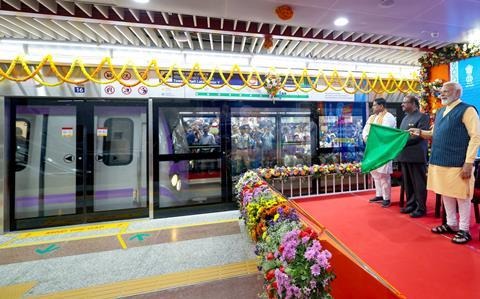
Prime Minister Modi will personally flag off the services from Jessore Road Metro Station and undertake a ride to Jai Hind Bimanbandar, celebrating this infrastructural leap
Unpacking The Metro Lines and Their Urban Impact
Green Line Extension: Esplanade to Sealdah
This 2.45 km stretch bridges the gap between two major rail hubs, meaningfully easing one of Kolkata’s most congested transit corridors. Commuters who previously endured up to 45 minutes of heavy traffic can now enjoy a swift and safe metro ride of just 11 minutes. This link is also part of a continuous corridor that connects Howrah Maidan to Sector V, enhancing east-west mobility.
Yellow Line: Noapara to Jai Hind Bimanbandar Airport
Spanning 6.77 km, this route is a breakthrough for airport accessibility. It simplifies travel for air passengers, airline employees, and airport workers by providing a seamless and reliable metro connection. With key stations like Dum Dum Cantonment allowing for interoperability with other city and suburban rail lines, this stretch integrates the airport with the wider Kolkata metropolitan area efficiently.
Orange Line Extension: Beleghata to Hemanta Mukhopadhyay
The 4.39 km addition focuses on linking important educational, health, and business districts on the eastern side of the city. By cutting travel times and increasing frequency, this corridor is projected to nearly double passenger traffic, strengthening Kolkata’s east-south transit synergy.
Broader Benefits for Kolkata’s Commuters and Economy
The commissioning of these metro lines is expected to alleviate severe road traffic, reduce pollution, and encourage a shift towards public transit among commuters. By offering affordable fares and increased train frequency—up to 186 services on the Green Line alone—the metro aims to minimize waiting times and overcrowding, decisively improving daily travel experiences.
These enhancements will directly support Kolkata’s economic vitality by improving connectivity to the city’s IT hub, healthcare facilities, educational institutions, and commercial zones. Furthermore, the effective airport link bolsters Kolkata’s stature as a regional transport and commerce center, facilitating smoother logistics and travel.
A Significant Milestone Ahead of Durga Puja
The simultaneous inauguration of these corridors ahead of Kolkata’s renowned Durga Puja festival is seen as a historic gift to the city’s residents and visitors, promising faster and more comfortable transit during one of the busiest festive seasons. This infrastructural upgrade aligns with broader efforts to modernize Kolkata’s transportation and urban ecosystems, propelling the city towards a more connected and sustainable future.
Prime Minister Modi’s Kolkata Visit Schedule
On August 22, PM Modi will flag off the metro services around 4:15 pm from Jessore Road station and travel to Jai Hind Bimanbandar station, highlighting the ease and modernity of the new metro corridors. He will also remotely inaugurate additional metro sections including the Sealdah–Esplanade and Beleghata–Hemanta Mukhopadhyay services, further marking the occasion as a landmark day for the city.
Conclusion
Kolkata’s metro network expansion is a giant leap towards smarter urban mobility, balancing speed, sustainability, and connectivity. With the new corridors operational, millions of daily commuters will benefit from reduced travel times, increased accessibility, and a high-quality public transport experience—benefits that will reverberate throughout the city’s social and economic fabric.
Sources: Economic Times, Press Information Bureau, India Today, Hindustan Times, The Telegraph, The CSR Journal
Stay Ahead – Explore Now! A Capital Shift: Delhi’s Green Fund Sparks Systemic Sustainability