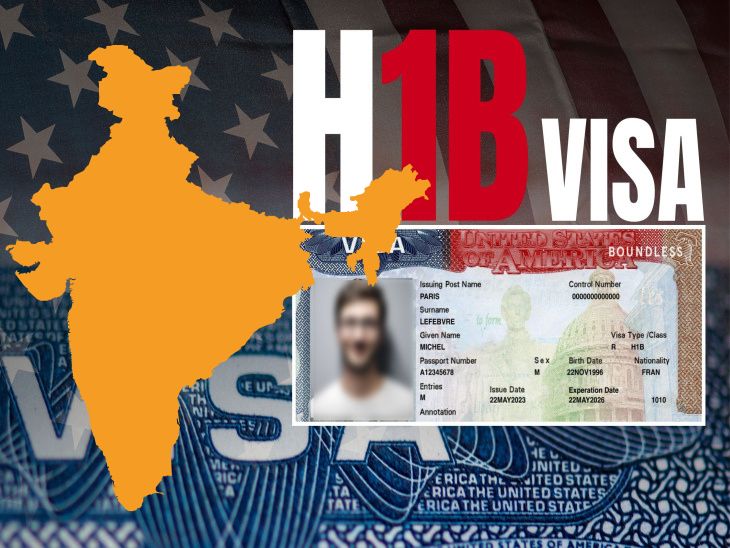
As stringent U.S. H-1B visa policies and steep filing fees reshape international labor markets, Indian technology hubs are witnessing a massive retention of premier engineering talent. Industry experts and analysts note that these global immigration shifts are accelerating domestic entrepreneurship, strengthening India’s digital economy, and redefining offshore delivery frameworks.
As sweeping U.S. immigration restrictions and cost barriers reshape overseas employment, India’s domestic tech ecosystem absorbs top-tier engineering talent.
Amid structural shifts in global labor mobility, tighter regulatory frameworks and escalating operational costs surrounding the U.S. H-1B visa program are inadvertently catalyzing a historic talent retention wave across India. Following successive policy overhauls introduced by Washington—including stringent social media vetting mandates and proposed financial barriers—multinational corporations and tech enterprises are actively re-evaluating their cross-border deployment strategies. Business leaders and economic analysts in New Delhi and Bengaluru noted that these developments are transforming what was once termed a traditional "brain drain" into a powerful catalyst for domestic technological self-reliance.
Evolving Global Mobility and Corporate Adaptations
The traditional pipeline that funneled thousands of Indian engineering graduates directly into Silicon Valley is facing unprecedented friction. Consular processing delays, heightened administrative scrutiny, and prohibitive petition expenditures have forced U.S. employers to pivot toward localized hiring and distributed delivery models.
Key structural shifts unfolding across the technology landscape include:
Rise of Global Capability Centres (GCCs): Multinational corporations are expanding their domestic footprints in Indian metropolitan hubs, keeping high-value engineering roles stationed locally.
Decentralized Remote Delivery: Major IT service providers are scaling up seamless remote collaboration frameworks, reducing the necessity for large-scale physical relocations.
Venture Capital Inflows: Top-tier engineering talent choosing to remain in India is aggressively fueling the domestic startup ecosystem, leading to a surge in indigenous deep-tech ventures.
Impact on Domestic Industries, Professionals, and Investors
The recalibration of international work routes carries profound practical implications for Indian technology professionals, emerging startups, and institutional investors. For skilled engineers facing uncertain overseas pathways, India’s expanding digital economy offers robust career trajectories, competitive compensation structures, and leadership opportunities within domestic unicorns. For investors, the concentration of exceptional technical acumen within local borders optimizes operational efficiency and reduces vulnerability to external regulatory shocks.
Why It Matters
Shifts in major destination economies' immigration policies directly influence global talent distribution and regional economic output. Retaining highly skilled human capital empowers domestic markets to spearhead independent technological advancements and strengthen long-term economic resilience.
Key Facts at a Glance
Core Trend: Re-routing of skilled engineering talent due to tightening U.S. H-1B visa frameworks.
Primary Beneficiary: India’s domestic tech ecosystem, GCCs, and startup landscape.
Corporate Strategy: Shift toward distributed global delivery models and local capacity expansion.
Key Driver: Escalating administrative barriers and procedural delays at U.S. consular posts.
FAQ Section
How are U.S. immigration policy changes impacting Indian tech professionals?
Stricter vetting protocols, processing delays, and higher petition costs are causing many professionals and employers to favor local employment or alternative global markets.
What is the significance of Global Capability Centres (GCCs) in this shift?
Multinational corporations are expanding their internal engineering hubs within India, allowing local talent to work on core global products without relocating abroad.
Are Indian startups benefiting from these international visa hurdles?
Yes, the retention of experienced engineers within India has provided a substantial talent pool for local startups, boosting domestic entrepreneurship and innovation.
Where can stakeholders monitor official updates regarding U.S. employment-based visas?
Verified policy notices and bulletin updates are accessible directly through the Official USCIS Portal.
Source: U.S. Citizenship and Immigration Services (USCIS), U.S. Embassy and Consulates in India, Press Information Bureau (PIB), NASSCOM Industry Reports