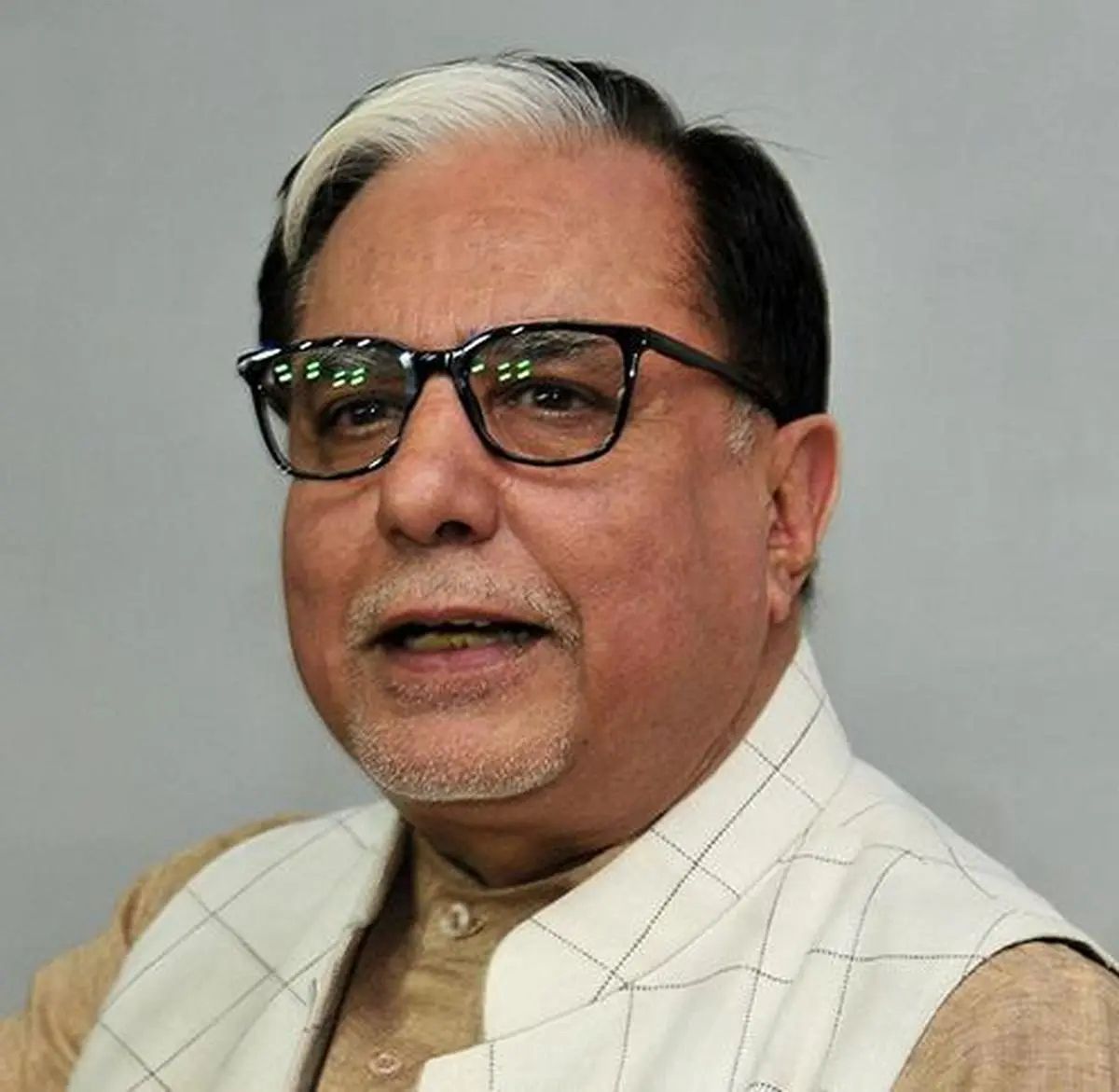
The National Company Law Tribunal approved Zee founder Subhash Chandra's personal repayment plan, allowing him to settle ₹22,006 crore in guarantor claims for ₹6.5 crore. Following a split bench verdict, third member Nilesh Sharma cleared the plan under Section 114 of the IBC, handing lenders a 99.97% haircut.
Backed by official tribunal orders, the National Company Law Tribunal has cleared a contentious personal insolvency plan involving multi-billion rupee claims.
Sustaining a complex legal battle through a deeply divided judicial forum, the high-profile personal insolvency resolution of media baron and Essel Group founder Subhash Chandra has crossed a major legal threshold. According to official tribunal documents and court filings released from New Delhi, a special bench of the National Company Law Tribunal (NCLT) approved a repayment plan enabling Chandra to settle admitted creditor claims totaling approximately ₹22,006.57 crore through a cash layout of ₹6.5 crore.
The ruling, finalized following a tie-breaking third-member adjudication, has triggered intense debate across financial markets regarding the boundaries of lender recovery, commercial wisdom, and personal guarantor liabilities under India's insolvency framework.
Evaluating the Third-Member Verdict and Split Bench Mechanics
Navigating personal insolvency provisions under the Insolvency and Bankruptcy Code (IBC) requires strict procedural alignment. According to official NCLT records and case filings, key dimensions of the approval process include:
The Third-Member Tie-Breaker: Following a sharp split of opinion between the original judicial and technical members of the Delhi bench, NCLT President referred the matter to judicial member Nilesh Sharma to decide on points of disagreement.
Statutory Approval Framework: The third member cleared the plan under Section 114 of the IBC, determining that procedural objections raised by dissenting lenders did not invalidate the statutory validity of the process.
Lender Haircuts and Voting Blocks: While prominent financial institutions—including LIC Housing Finance, HDFC Bank, Axis Bank, Canara Bank, and Union Bank of India—vehemently opposed the plan, it secured approval from creditors holding 80.81% of the voting share.
Asset Valuation Realities: Resolution professional disclosures noted that Chandra's disclosed personal net worth and realizable estate value were severely constrained, leaving limited assets available for distribution.
Why It Matters
The practical implications of the NCLT ruling resonate deeply across India's banking sector and corporate lending landscape. For public sector banks and financial institutions, managing personal guarantees extended by corporate promoters remains a critical mechanism for asset recovery, making high-haircut settlements a subject of intense regulatory scrutiny. For corporate investors and promoters, the outcome establishes important precedents regarding how personal insolvency pathways operate when asset values fall drastically short of cumulative corporate liabilities.
Key Facts at a Glance
Forum: National Company Law Tribunal (NCLT), Special Bench.
Debtor: Subhash Chandra (Founder, Essel Group and Zee).
Admitted Claims: Approximately ₹22,006.57 crore.
Approved Payout: ₹6.5 crore.
Creditor Support: Approved by 80.81% of voting share, overriding dissenting minority lenders.
FAQ Section
How did the NCLT arrive at a decision after the initial split bench verdict?
Because the original judicial and technical members delivered conflicting opinions, the matter was referred to a third judicial member, Nilesh Sharma, who ultimately cleared the plan under Section 114 of the IBC.
What percentage of recovery do lenders receive under the approved plan?
The ₹6.5 crore payout against admitted claims of ₹22,006.57 crore translates to a recovery of approximately 0.03%, resulting in a 99.97% haircut for creditors.
Which financial institutions opposed the repayment plan?
Dissenting lenders included LIC Housing Finance, HDFC Bank, Axis Bank, Canara Bank, RBL Bank, and Union Bank of India, who argued that the payout was unviable.
Where can official judgments regarding personal insolvency cases be tracked?
Official court orders, cause lists, and tribunal rulings are published regularly on the National Company Law Tribunal (NCLT) Portal and the Insolvency and Bankruptcy Board of India (IBBI) Website.
Source: National Company Law Tribunal (NCLT), LiveMint, The Economic Times, Business Today