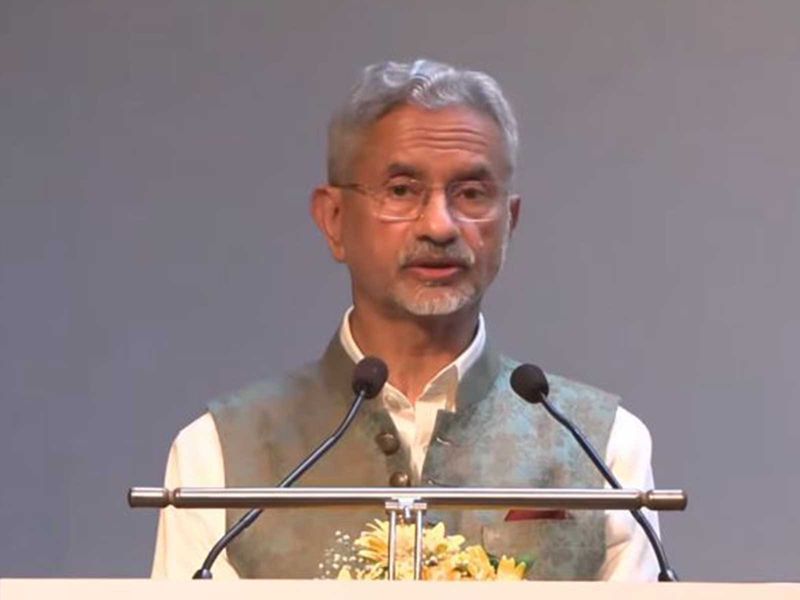
External Affairs Minister S. Jaishankar outlined six key pillars defining India's foreign policy approach in a multipolar era. Speaking at a major diplomatic forum, he emphasized strategic autonomy, economic resilience, diversified partnerships, and technological leadership as vital components driving India's growing influence across international governance frameworks today.
Outlining a comprehensive roadmap for international engagement, External Affairs Minister S. Jaishankar detailed six strategic pillars guiding India’s ascent in an increasingly multipolar global order.
Addressing global diplomatic challenges and shifting geopolitical alignments, Indian External Affairs Minister S. Jaishankar formally outlined a structured foreign policy framework during a major policy address in September 2026. As international relations navigate a complex transition toward a multipolar world, Jaishankar emphasized that India’s diplomatic strategy rests on six core pillars designed to secure national interests while fostering cooperative multilateralism. The strategic outline addresses key themes including strategic autonomy, supply chain resilience, technological self-reliance, and deepening partnerships across both traditional and emerging global coalitions.
Evaluating Diplomatic Pillars, Global Alliances, and Geopolitical Strategy
Analyzing the structural components of the foreign policy briefing reveals a calculated effort to balance diverse international relationships amidst global polarization. According to official government statements and diplomatic transcripts released in September 2026, the six core pillars encompass:
Strategic Autonomy and Multi-Alignment: Maintaining independent decision-making capacity while engaging constructively with major global powers without entering exclusive blocs.
Economic and Supply Chain Resilience: Building robust domestic manufacturing hubs and diversifying international trade partnerships to insulate the economy from global disruptions.
Technological Self-Reliance: Accelerating indigenous innovation in critical sectors such as semiconductors, artificial intelligence, and green energy infrastructure.
Global South Advocacy: Championing the developmental priorities, financial equity, and security concerns of developing nations within multilateral forums like the United Nations and G20.
Why It Matters
The practical implications of India's foreign policy framework extend across international trade agreements, defense partnerships, and global economic stability. For investors and businesses, a predictable and resilient diplomatic stance ensures secure supply chains and favorable investment conditions. For citizens and global observers, India's active role in shaping multipolar diplomacy enhances its geopolitical standing, fostering greater security and cooperation across regional and international borders.
Key Facts at a Glance
Speaker: External Affairs Minister S. Jaishankar.
Core Focus: Outlining six diplomatic pillars to guide India through the multipolar era.
Key Themes: Strategic autonomy, supply chain resilience, technological innovation, and Global South leadership.
Official Documentation: Published via the Ministry of External Affairs (MEA) and Press Information Bureau (PIB).
FAQ Section
What are the six diplomatic pillars outlined by S. Jaishankar?
The pillars focus on strategic autonomy, multi-alignment, economic resilience, technological self-reliance, security partnerships, and leadership within the Global South.
Why is this foreign policy framework significant right now?
As global geopolitics transition toward a multipolar order, these pillars provide a clear roadmap for India to protect its interests and expand its international influence.
How does India maintain its independence in global affairs?
Through a policy of strategic autonomy, enabling the country to engage with diverse global powers without being bound to any single alliance bloc.
Where can readers access the official text of the Minister's address?
Complete transcripts and official policy briefings are published on the Ministry of External Affairs (MEA) Official Portal.
What role does the Global South play in India's foreign policy?
India actively advocates for the developmental priorities, financial support, and security interests of developing nations within major international forums.
Source: Ministry of External Affairs (MEA) India, Press Information Bureau (PIB), The Hindu, The Indian Express