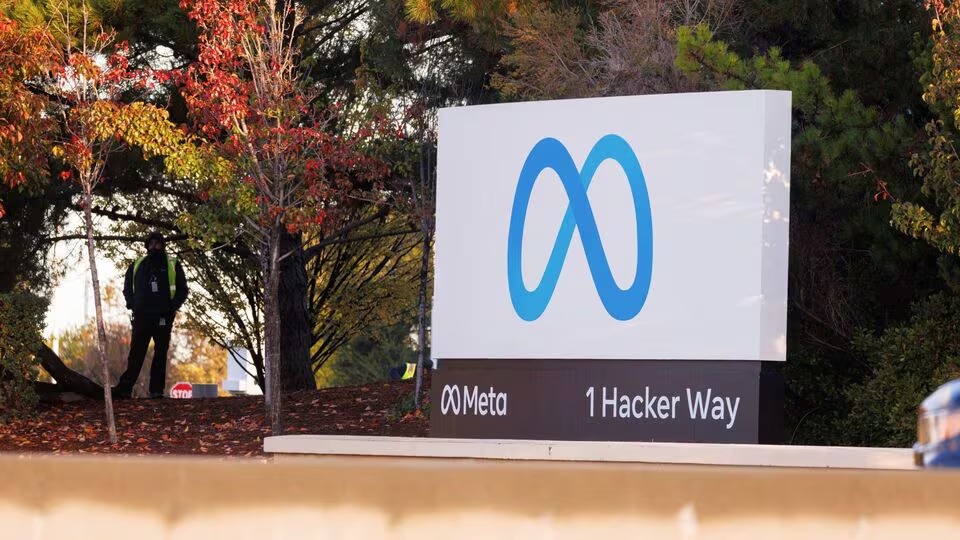
Meta is facing a landmark federal trial in Oakland, California, where 29 states accuse the tech giant of designing addictive features that harm young users while hiding internal research. Drawing heavy parallels to 1990s tobacco litigation, the case seeks massive financial penalties and sweeping design overhauls for Instagram and Facebook.
As a coalition of 29 US states brings Meta to federal court over youth mental health, legal experts and prosecutors are drawing striking historical parallels to the landmark tobacco litigation of the 1990s.
The Anatomy of an Addictive Business Model
The core of the multi-district litigation centers on product architecture designed to maximize user engagement. According to opening statements presented by state prosecutors, Meta’s operational strategy relies on a framework to "hook users, hold them, harvest data, and hide internal risks". Legal teams representing the states argue that features such as infinite scrolling, algorithmic push notifications, and variable reward loops exploit adolescent brain development and lower impulse control.
Internal company documents introduced into evidence reveal that executives tracked youth engagement metrics closely, with notes explicitly indicating that targeting younger demographics was critical to long-term growth. Prosecutors argue these documents mirror historical disclosures from cigarette manufacturers, demonstrating that corporate leadership was fully aware of the psychological and mental health tolls—including rising rates of anxiety, depression, and body dysmorphia—associated with prolonged usage.
Defense Arguments and Corporate Response
Defending against the allegations, legal representatives for Meta have strongly rejected the claims, asserting that the states' case relies on cherry-picked internal emails taken out of context. During court proceedings, defense counsel emphasized that the company has consistently introduced safety tools, parental controls, and features designed to help users manage screen time.
Meta maintains that its platforms are built to foster positive connections rather than intentional harm, and argues that financial demands exceeding hundreds of billions of dollars are unfounded and speculative. Company executives, including CEO Mark Zuckerberg and Instagram head Adam Mosseri, are slated to testify during the multi-week trial.
Quote Section
"According to officials, the legal action addresses deliberate corporate strategies to prioritize engagement and financial gain over the safety and mental well-being of vulnerable young users."
Why It Matters
For parents, educators, and digital consumers, the trial represents a crucial turning point in digital accountability. If the courts rule that platform design constitutes actionable product liability, technology companies could be forced to radically alter user interfaces, default algorithms, and age-verification protocols worldwide.
Key Facts at a Glance
Defendant: Meta Platforms Inc. (parent company of Facebook and Instagram).
Plaintiffs: A bipartisan coalition of 29 US state attorneys general.
Core Allegations: Deceptive concealment of internal addiction research, exploitative product design, and privacy violations.
Potential Stakes: Damages estimated up to $200 billion alongside court-ordered design overhauls.
FAQ Section
Why are legal experts comparing the Meta trial to Big Tobacco?
Legal analysts note structural similarities between current social media lawsuits and 1990s tobacco litigation, specifically regarding allegations that corporations hid internal research proving their products were addictive and harmful to minors.
What specific features are targeted in the lawsuit?
State prosecutors have targeted design elements such as infinite scrolling, autoplay, persistent notification alerts, and "likes" that encourage compulsive usage among teenagers.
What penalties are the state attorneys general seeking?
In addition to structural changes to platform design, the states are pursuing financial penalties estimated around $200 billion.
Where is the trial taking place?
The landmark jury trial is proceeding in a US federal court located in Oakland, California.
Source: US District Court for the Northern District of California, California Department of Justice, New Jersey Office of the Attorney General