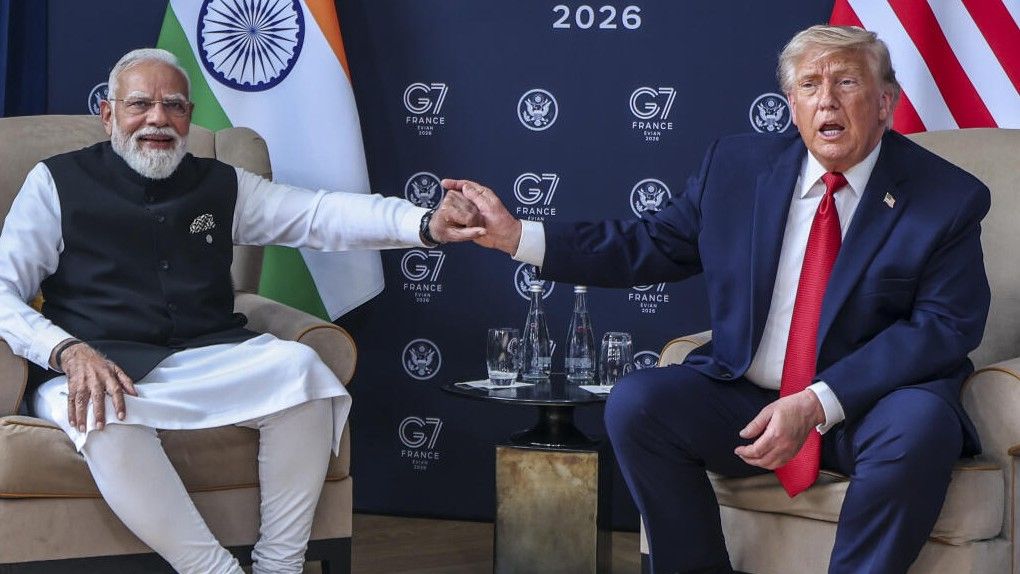
Amid rising legislative tensions over energy imports, administration officials have emphasized that robust working relations between U.S. President Donald Trump and Indian Prime Minister Narendra Modi will successfully resolve upcoming challenges surrounding Russia sanctions. The diplomatic assurance comes as Washington navigates complex foreign policy objectives and trade talks.
Highlighting durable bilateral ties, administration officials express confidence that diplomatic engagement will successfully address emerging legislative trade pressures.
As diplomatic circles respond to legislative measures targeting international energy commerce, senior U.S. officials have underscored the strength of bilateral channels connecting Washington and New Delhi. Speaking on the state of international affairs, administration representatives noted that the established working relationship between U.S. President Donald Trump and Indian Prime Minister Narendra Modi provides a reliable foundation to navigate complex geopolitical differences. The assurances follow recent congressional discussions regarding secondary sanctions and potential trade adjustments tied to global petroleum sourcing, reinforcing the mutual commitment to maintaining a constructive strategic partnership.
Navigating Legislative Pressure and Strategic Partnership
The dialogue surrounding energy trade and regulatory frameworks highlights the delicate balance between broader foreign policy objectives and long-standing bilateral alliances. While legislative bodies deliberate on economic measures aimed at curtailing revenue streams linked to foreign conflicts, executive channels continue to prioritize cooperative security and economic collaboration in the Indo-Pacific region.
Key dimensions shaping the current diplomatic landscape include:
High-Level Communication: Ongoing engagement between American and Indian executive leadership ensures that potential friction points are addressed through direct consultation rather than punitive escalation.
Strategic Convergence: Defense technology sharing, maritime security cooperation, and supply chain diversification remain central pillars of the partnership, transcending individual sectoral disagreements.
Flexibility Mechanisms: Legislative drafts frequently incorporate presidential waiver authorities, allowing the executive branch to align enforcement actions with overarching national security and diplomatic priorities.
Implications for Global Markets and Bilateral Commerce
For international investors, commercial enterprises, and energy market participants, the emphasis on robust leadership rapport offers reassurance against abrupt regulatory shocks. Analysts note that while legislative proposals introduce temporary uncertainties into cross-border trade, the underlying depth of the U.S.-India strategic corridor ensures that pragmatic compromises will prevail. Both nations remain focused on expanding bilateral commerce, stabilizing energy supply chains, and resolving outstanding trade alignment issues through formal diplomatic channels.
Why It Matters
Maintaining strong diplomatic communication channels between major global democracies is essential for resolving trade disputes without destabilizing international markets. Effective executive leadership prevents secondary policy measures from fracturing vital strategic alliances.
Key Facts at a Glance
Core Focus: Managing legislative proposals concerning global energy imports and secondary trade measures.
Diplomatic Anchor: Strong working relationship between U.S. President Donald Trump and Indian Prime Minister Narendra Modi.
Strategic Priority: Sustaining robust defense, technology, and economic cooperation between Washington and New Delhi.
Executive Tools: Incorporation of national interest waiver authorities within legislative frameworks to guide enforcement.
FAQ Section
How do U.S. officials view the current state of relations with India?
Administration officials consistently emphasize that the bilateral partnership remains resilient, anchored by shared strategic interests and strong communication between top leadership.
What role do presidential waivers play in proposed sanction bills?
Waiver provisions grant the executive branch discretionary authority to modify or suspend specific tariff enforcements if determined to align with national security and foreign policy interests.
How do trade discussions impact broader U.S.-India cooperation?
While specific commercial or energy disagreements arise periodically, both nations maintain extensive collaboration in regional security, defense technology, and economic resilience.
Where can stakeholders monitor official updates on bilateral trade policies?
Verified legislative texts, executive orders, and diplomatic briefing updates are accessible directly via the U.S. Congress Portal
Source: U.S. Congress Legislative Portal, [suspicious link removed], Reuters International News Desk, The Hindu Diplomatic Bureau