Reserve Bank of India Governor Sanjay Malhotra announced that India plans to launch polymer plastic notes at the start of the next financial year (FY28). Focusing initially on ₹10 and ₹20 denominations, the two-billion-piece field trial aims to test durability under Indian climatic conditions while coexisting with paper currency as legal tender.
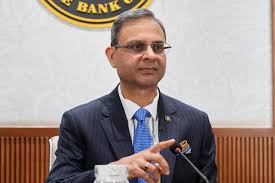
MUMBAI, India — Reserve Bank of India (RBI) Governor Sanjay Malhotra announced on August 5, 2026, that India is targeting the rollout of its first polymer currency notes at the start of the next financial year. Speaking at a media briefing following the Monetary Policy Committee (MPC) meeting at the RBI headquarters in Mumbai, Malhotra revealed that field trials for plastic currency notes in ₹10 and ₹20 denominations are undergoing technical evaluations. The tentative plastic notes launch date is aimed for early fiscal year 2027–28, marking a pivotal shift toward extending the operational life of lower-denomination notes, reducing currency replacement costs, and introducing advanced anti-counterfeiting security features across India’s physical cash infrastructure.
Trial Parameters and Target Rollout Timeline
Addressing reporters during the post-policy press conference in Mumbai, Governor Sanjay Malhotra clarified that the central bank is currently operating in a structured pilot phase to assess how polymer substrates perform under diverse Indian climatic conditions and physical handling environments. The central government previously authorized the printing of two billion polymer banknotes—comprising one billion pieces each in the ₹10 and ₹20 denominations—for field testing across select regional centers.
According to official updates, the anticipated plastic notes launch date is slated for the beginning of the next fiscal year (FY28), provided ongoing security clearances, substrate procurement, and operational stress tests meet required benchmarks. The move follows a global Expression of Interest (EOI) issued by Bharatiya Reserve Bank Note Mudran Private Limited (BRBNMPL), a wholly owned subsidiary of the RBI, to procure specialized biaxially oriented polypropylene (BOPP) substrates embedded with tactile and optical security features.
| Parameter | Operational Specification |
| Target Implementation | Beginning of Next Financial Year (Early FY28) |
| Denominations | ₹10 and ₹20 Banknotes |
| Approved Quantity | 2 Billion Pieces (1 Billion per Denomination) |
| Printing Subsidiary | Bharatiya Reserve Bank Note Mudran Private Limited (BRBNMPL) |
| Primary Advantage | 3x to 4x Longer Lifespan Than Paper Substrates |
Durability and Lifespan Benefits of Polymer Currency
The primary driver behind confirming a tentative plastic notes launch date is the high velocity of circulation associated with lower-value currency. Paper notes in ₹10 and ₹20 denominations degrade rapidly due to frequent daily transactions, exposure to moisture, folding, and soil.
Governor Malhotra noted that polymer notes have been in active circulation across international jurisdictions for over three decades, exhibiting a lifespan three to four times longer than traditional cotton-based paper notes. Made from non-porous synthetic plastic films, polymer currency resists dirt absorption and moisture damage, significantly reducing the volume of soiled notes that must be withdrawn, shredded, and replaced annually by central bank vaults.
Coexistence With Paper Currency and Global Context
The central bank emphasized that the upcoming plastic notes launch date will not signal an immediate withdrawal of existing paper currency. Both forms of currency will coexist as legal tender during the initial rollout, allowing automated teller machines (ATMs), cash-counting hardware, and retail vending systems to adapt seamlessly.
More than 60 countries globally—including Australia, the United Kingdom, Canada, Singapore, New Zealand, and Vietnam—have transitioned partially or fully to polymer banknotes. While initial manufacturing expenses for synthetic substrates are higher than cotton-paper alternatives, reduced re-printing frequency and lower logistical transport demands yield net cost savings for the central bank over multi-year cycles.
Official Sources Section
Operational timelines, regulatory approvals, and technical details cited in this report were verified through official press briefings and policy announcements released by the Reserve Bank of India (RBI), statutory updates from the Ministry of Finance, and procurement notifications published by Bharatiya Reserve Bank Note Mudran Private Limited (BRBNMPL).
Official Quote Section
According to official statements delivered during the post-monetary policy news conference, central bank authorities outlined the strategic intent behind the pilot project.
Reserve Bank of India Governor Sanjay Malhotra stated: "Currency notes made out of polymers will be in circulation in the country from next financial year, if everything goes as planned. We are still at a pilot stage. We will test and check as to how they perform in Indian conditions, climate, and infrastructure before scaling up. Polymer notes enhance durability and life, particularly for lower denominations because of their higher velocity of circulation."
Why It Matters
Establishing a definitive roadmap toward a plastic notes launch date marks a major step in modernizing India's physical currency supply chain. By switching to water-resistant and tear-resistant synthetic substrates for frequently handled ₹10 and ₹20 notes, the central bank can curb annual printing costs, lower carbon emissions from currency transportation, and reduce counterfeit risks across everyday cash transactions.
Key Facts at a Glance
Target Timeline: The expected plastic notes launch date is set for the beginning of the next financial year (FY28), pending trial results.
Trial Denominations: Field trials focus specifically on ₹10 and ₹20 notes, covering two billion total pieces.
Enhanced Lifespan: Polymer substrates last 3 to 4 times longer than conventional cotton-paper notes.
Coexistence Policy: Polymer notes will circulate alongside existing paper legal tender without demonetizing current paper currency.
Frequently Asked Questions (FAQ)
What is the expected plastic notes launch date in India?
According to RBI Governor Sanjay Malhotra, plastic currency notes are targeted to enter circulation at the beginning of the next financial year (early FY28) if ongoing field trials yield successful results.
Which denominations are included in the plastic currency pilot project?
The trial project covers ₹10 and ₹20 denomination notes, with the government approving two billion pieces for initial field testing.
Will paper banknotes remain valid after plastic notes are introduced?
Yes, paper banknotes will remain valid legal tender. Polymer notes will coexist with paper currency to ensure a smooth transition for businesses and consumers.
Where can citizens and investors verify official RBI announcements?
Official policy decisions, press releases, and circulars are available on the official web portal of the Reserve Bank of India (RBI).
Source: Official press briefing transcripts from the Reserve Bank of India (RBI), notifications from the Ministry of Finance, and official communications from Bharatiya Reserve Bank Note Mudran Private Limited (BRBNMPL).