Policy experts warn that rapid urbanization without structural governance reform is causing severe urban decay across major Indian cities. Rescuing urban centers requires empowering local municipal bodies under the 74th Constitutional Amendment, expanding fiscal autonomy, enforcing updated master plans, and creating unified administrative accountability for public infrastructure.
NEW DELHI — As India's urban population approaches 600 million over the coming decade, policy experts and urban planners issued a call for structural governance reform on August 5, 2026, warning that severe urban decay threatens economic productivity and public health across major metropolitan hubs. Highlighted by policy researchers, the analysis emphasizes that decades of administrative fragmentation, underfunded municipal authorities, and weak political devolution following the 74th Constitutional Amendment have left cities like Delhi, Mumbai, Bengaluru, and Kolkata struggling with severe infrastructure deficits, traffic congestion, and unmanaged municipal waste.
Causes of Urban Decay Across Major Metropolitan Centers
India's rapid urbanization has exposed systemic vulnerabilities in municipal management and infrastructure delivery. According to analysis presented by the Union government's Economic Survey and urban governance research groups including Janaagraha and the Institute for Competitiveness, population scale in major metros has not translated into proportionate gains in liveability or municipal efficiency.
Primary drivers of urban decay include:
Governance Fragmentation: Urban functions are split across municipal corporations, urban development authorities, state line departments, and state-level parastatal agencies, preventing unified accountability.
Financial Constraints: Urban Local Bodies (ULBs) lack fiscal autonomy, relying heavily on state and central grants rather than localized tax collection and municipal bonds.
Lapsed Master Plans: Nearly 39 percent of Indian state capitals lack an active, updated master plan, leading to haphazard zoning changes and uncoordinated construction.
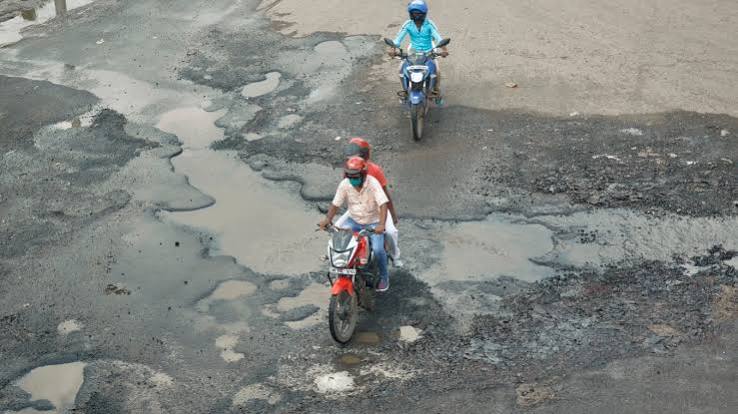
Deficient Civic Services: Inadequate solid waste processing, unmaintained footpaths, and overburdened stormwater drainage systems repeatedly trigger urban flooding and public health risks during monsoon seasons.
| Governance Parameter | Current Status | Proposed Structural Remedy |
| Municipal Empowerment | Weak devolution under 74th Amendment | Direct election and administrative power for Mayors |
| Master Planning | 39% state capitals lack active plans | Statutory, long-term spatial and mobility planning |
| Revenue Autonomy | High dependency on higher government grants | Expansion of local property tax and municipal bond issuance |
| Civic Service Delivery | Fragmented across parastatal bodies | Unified municipal control over local utility networks |
A Way Out: Strategic Recommendations for Urban Renewal
To reverse urban decay and restore liveability, policy frameworks propose a multi-pronged overhaul of city management and civic participation. A central requirement is the meaningful operationalization of the 74th Constitutional Amendment of 1992, granting mayors and city councils administrative authority over local planning, housing, transit, and sanitation.
Key policy interventions include:
Empowering Local Leadership: Transitioning to directly elected, executive mayors with multi-year tenures to ensure accountability and long-term project oversight.
Fiscal Restructuring: Strengthening municipal revenue streams through modernized property tax assessments, user charges for civic utilities, and green municipal bonds.
Participatory Governance: Activating ward committees and Resident Welfare Associations (RWAs) to involve citizens directly in budget allocation and local urban maintenance.
Data-Driven Master Planning: Integrating satellite mapping, digital town planning, and real-time transit data into urban development authorities.
Impact on Citizens, Businesses, and the Economy
The deterioration of urban core infrastructure carries direct economic costs for businesses and residents alike. In response to unreliable public services, affluent citizens and corporate offices increasingly relocate to integrated townships and gated complexes in peripheral suburbs, creating privatized infrastructure enclaves while leaving central city districts underfunded.
For daily commuters, informal workers, and small business owners, unmitigated urban decay results in elevated health risks, extended commute times, and higher operational expenses due to flood damage and utility disruptions. Rebuilding core municipal capacity is essential to maintaining national economic competitiveness as urban centers generate over 60 percent of India's gross domestic product.
Official Sources Section
Data, policy evaluations, and urban planning frameworks cited in this analysis were gathered from official disclosures published by the Ministry of Housing and Urban Affairs (MoHUA), insights from the NITI Aayog, survey findings from the Press Information Bureau (PIB), and research published by urban policy institutions including [suspicious link removed] and the Institute for Competitiveness.
Official Quote Section
According to official economic reviews and urban policy researchers, addressing city-level administrative fragmentation is a precondition for sustainable economic growth.
Policy researchers noted that "without empowering urban local bodies with real executive authority and fiscal independence, investments in physical infrastructure will fail to prevent urban decay. Rescuing Indian cities requires shifting from top-down state control to accountable, citizen-centric municipal governance."
Why It Matters
Reversing urban decay is vital for sustaining India's economic expansion and protecting the quality of life for hundreds of millions of urban residents. Reforming municipal governance ensures that infrastructure spending translates directly into resilient public transit, clean public spaces, and equitable access to essential utilities across all urban tiers.
Key Facts at a Glance
Population Growth: India's urban population is projected to reach approximately 600 million by 2036.
Planning Gap: Nearly 39 percent of Indian state capitals lack an active, updated master plan to guide development.
Governance Barrier: Overlaps between municipal bodies, parastatal agencies, and state line departments fragment urban service delivery.
Reform Roadmap: Full implementation of the 74th Amendment, empowered mayors, and local revenue generation are key to urban revival.
Frequently Asked Questions (FAQ)
What are the main causes of urban decay in Indian cities?
Urban decay in India stems from fragmented administrative governance, underfunded municipal local bodies, outdated or absent master plans, and inadequate maintenance of basic public infrastructure like drainage, roads, and waste management.
How does the 74th Constitutional Amendment relate to urban governance?
Passed in 1992, the 74th Amendment aimed to devolve administrative and financial powers to Urban Local Bodies (ULBs), but implementation remains incomplete because state governments retain control over key urban functions.
What reforms are proposed to rescue Indian cities from decline?
Key solutions include directly electing executive mayors, strengthening municipal revenue autonomy, enforcing updated master plans, empowering local ward committees, and unifying utility management under municipal control.
Where can citizens access official reports on urban development policies?
Citizens can review policy frameworks and urban survey reports on the official portals of the Ministry of Housing and Urban Affairs (MoHUA) and NITI Aayog.
Source: Official publications and reports from the Ministry of Housing and Urban Affairs (MoHUA), NITI Aayog, Press Information Bureau (PIB), [suspicious link removed], and Institute for Competitiveness.