U.S. President Donald Trump announced that a deal to reopen the Strait of Hormuz could occur as early as Wednesday following progress in talks with regional intermediaries. The proposed framework aims to establish structured shipping lanes, easing international energy market tensions and lowering global oil prices.
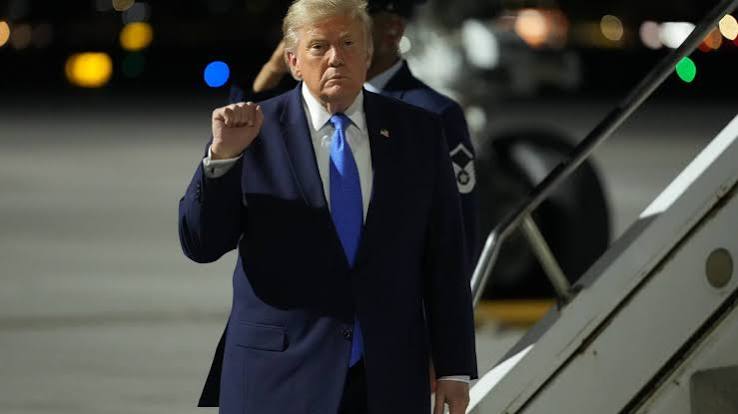
WASHINGTON — U.S. President Donald Trump stated that an agreement to reopen the strategic Strait of Hormuz could be announced as early as Wednesday. Speaking to reporters traveling with him in California, the president confirmed that substantial progress had been made during diplomatic negotiations involving regional intermediaries and Iranian officials. The development comes as maritime traffic through the waterway which historically handled approximately 20% of global petroleum supplies remains severely restricted due to ongoing military hostilities. A successful resolution to restore safe passage through the maritime corridor is expected to alleviate pressure on global energy markets and lower international shipping risk premiums.
Technical Negotiations and Shipping Corridor Framework
According to regional diplomatic sources and state media updates, negotiations between Iranian and Omani officials focused on establishing designated inbound and outbound shipping lanes through the Persian Gulf. Under the preliminary framework, vessels entering the Gulf would utilize a specific transit route managed under Iranian operational oversight, while outbound traffic would navigate through channels monitored by Oman.
U.S. officials emphasized that any final agreement must guarantee unhindered commercial transit without the imposition of arbitrary maritime tolls or unilateral navigational restrictions. The Office of Foreign Assets Control and the U.S. Department of the Treasury also monitored parallel discussions regarding conditional sanctions relief and maritime security protocols required to support commercial vessel insurance coverage.
| Strategic Indicator | Operational Status / Details |
| Primary Corridor | Strait of Hormuz (Persian Gulf Entry) |
| Negotiation Intermediaries | Oman, Qatar, and Regional Representatives |
| Proposed Shipping Scheme | Dual inbound/outbound transit channels |
| Energy Impact | Brent crude futures adjusted near $78-$80 per barrel |
Impact on Global Energy Markets and Economic Supply Chains
The announcement of potential progress toward reopening the Strait of Hormuz immediately influenced global energy benchmarks. International crude futures, including Brent crude, experienced volatility before stabilizing near $78 to $80 per barrel as market traders assessed the likelihood of restored tanker throughput.
For commercial shipping operators, freight forwarders, and international energy consumers, the opening of transit channels is expected to reduce emergency war-risk insurance premiums that had escalated during the shipping blockade. Restoring normalized oil and liquefied natural gas (LNG) shipments from Persian Gulf exporters provides crucial supply stability for Asian and European import markets dependent on Middle Eastern energy flows.
Official Sources Section
Statements regarding the ongoing negotiations and diplomatic progress were verified through public briefings provided by the White House and official press releases from the [suspicious link removed]. Operational updates regarding shipping lanes were cross-referenced with announcements from the U.S. Department of the Treasury and public statements issued by Iranian State Media (IRNA).
Official Quote Section
According to official statements delivered to reporters traveling with the presidential delegation in California, executive leadership confirmed that diplomatic conversations are progressing.
U.S. President Donald Trump stated: "It could happen. Tomorrow or the next day. A lot of progress has been made. The Strait is going to be open very soon — or they're gonna hit very hard, and then the Strait is going to be open."
U.S. Secretary of State Marco Rubio noted in a separate briefing: "Progress has been made in those talks, but not finality yet."
Why It Matters
The Strait of Hormuz represents the world's most critical oil transit chokepoint, connecting Middle Eastern crude producers directly to global maritime supply lines. Restoring secure navigation through the waterway stabilizes international fuel prices, reduces systemic supply chain inflation, and lowers geopolitical risk across global commodity markets.
Key Facts at a Glance
Timeline for Announcement: U.S. leadership signaled an agreement on the Strait of Hormuz could be finalized as early as Wednesday or Thursday.
Mediated Channels: Negotiations involving Oman and Qatar focused on establishing separate inbound and outbound shipping lanes.
Market Reaction: Brent crude oil futures adjusted downward to approximately $78–$80 per barrel following the news.
Core Objective: The framework aims to restore commercial shipping throughput while preventing unilateral tolls or maritime blockades.
Frequently Asked Questions (FAQ)
What did President Trump state regarding the Strait of Hormuz?
President Trump stated that a diplomatic agreement to reopen the Strait of Hormuz to commercial shipping could be announced as early as Wednesday or Thursday.
Why is the Strait of Hormuz critical for global trade?
Approximately one-fifth of the world's petroleum and natural gas supplies transit through the Strait of Hormuz, making it the primary maritime choke point for global energy exports.
How have energy prices reacted to the announcement?
Following reports of diplomatic progress, crude oil prices stabilized with Brent crude trading near $78 to $80 per barrel as market risks eased.
Where can official statements regarding the deal be verified?
Official updates are published on the official web portals of the White House and the [suspicious link removed].
Source: Official briefings from the White House, public statements from the [suspicious link removed], regulatory updates from the U.S. Department of the Treasury, and press disclosures from IRNA.