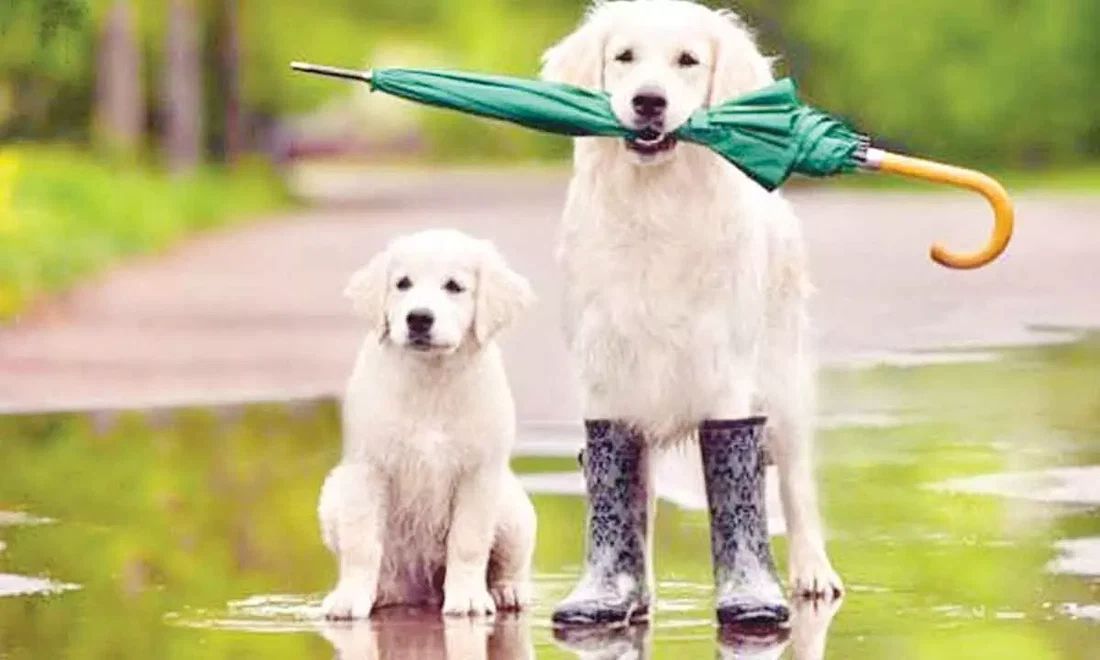
Veterinarians have issued important health warnings for pet parents as continuous monsoon humidity increases risks of skin infections, gastrointestinal issues, and tick-borne illnesses. Experts advise maintaining rigorous paw hygiene, ensuring complete coat drying after walks, preventing stagnant water consumption, and watching for early behavioral signs of seasonal discomfort.
As seasonal humidity and heavy rains peak, veterinary professionals outline critical warning signs and proactive care strategies to keep pets healthy.
With continuous downpours and high humidity creating prime conditions for bacterial and fungal growth, veterinarians across urban centers have issued essential health advisories for pet owners. Released in August 2026, the expert guidelines highlight that the monsoon season presents unique health challenges for domestic animals, ranging from acute skin infections and ear complications to waterborne gastrointestinal illnesses. By identifying early behavioral warning signs and adopting structured hygiene protocols, veterinary authorities aim to help pet parents protect their animals from preventable seasonal sickness.
Recognizing Monsoon Warning Signs in Pets
Animals often mask discomfort, making it crucial for owners to monitor subtle shifts in daily behavior during rainy weather. According to clinical consensus from veterinary medical boards, failing to address minor symptoms early can lead to severe secondary infections.
Key warning signs that require immediate veterinary evaluation include:
Excessive Scratching or Paw Licking: Persistent nibbling at paws or scratching around the collar often indicates fungal dermatitis or allergic reactions triggered by trapped environmental moisture.
Frequent Head Shaking: Relentless scratching at the ears or noticeable discharge points toward moisture buildup in the ear canal, a precursor to painful otitis.
Lethargy and Appetite Shifts: Sudden disinterest in food or unusual reluctance to move can signal underlying gastrointestinal distress or waterborne bacterial infections.
Coat Odor and Lesions: A musty smell or the appearance of red, scaly patches beneath the topcoat reveals hidden bacterial pyoderma or ringworm exposure.
Six Essential Care Tips for the Rainy Season
To counter the environmental hazards introduced by wet weather, veterinary specialists recommend implementing six foundational care and hygiene practices:
1. Thorough Post-Walk Drying: Never allow a pet's coat to remain damp. Use a microfiber towel or a low-heat pet dryer to dry the underbelly, armpits, and skin folds thoroughly.
2. Rigorous Paw Hygiene: Clean and dry paw pads immediately after outdoor walks to remove mud, chemical runoff, and harmful bacteria trapped between toes.
3. Avoid Stagnant Water: Prevent pets from drinking out of or walking through roadside puddles, which act as breeding grounds for leptospirosis and parasites.
4. Strict Parasite Prevention: Maintain veterinarian-recommended tick and flea preventive treatments, as humid conditions accelerate parasite reproduction.
5. Maintain Clean Indoor Bedding: Keep sleeping areas entirely dry and well-ventilated, washing blankets frequently to prevent fungal spore accumulation.
6. Monitor Diet and Fresh Water: Provide fresh, boiled, or filtered drinking water and discard leftover food promptly to avoid bacterial spoilage.
Impact on Pet Parents, Families, and Animal Health
For household pet owners, adopting proactive monsoon management safeguards family health—since certain conditions like ringworm are zoonotic and transmissible to humans—while sparing animals from painful, prolonged medical treatments. Maintaining consistent indoor hygiene and scheduling timely veterinary check-ups ensures that pets remain active and comfortable throughout the rainy months.
Why It Matters
Seasonal changes directly impact the physical vulnerability of domestic animals. By recognizing early clinical indicators and maintaining strict environmental hygiene, pet owners can prevent minor discomforts from escalating into complex veterinary emergencies.
Key Facts at a Glance
Primary Risks: Fungal skin infections, ear inflammation, leptospirosis, and tick infestations.
Core Prevention: Complete coat drying, rigorous paw cleaning, and avoiding stagnant puddles.
Zoonotic Concern: Conditions like ringworm can pass from pets to humans if left unmanaged.
Actionable Routine: Daily coat inspections and fresh indoor water provision.
FAQ Section
Can indoor pets catch infections during the monsoon?
Yes, indoor pets remain vulnerable to humidity-induced skin issues, airborne fungal spores, mold, and indoor dampness even if they rarely venture outside.
Why is drying a pet's undercoat so important?
Trapped moisture beneath the topcoat creates an ideal breeding ground for bacteria and yeast, rapidly leading to hot spots and painful dermatitis.
How often should a dog's ears be checked during the rainy season?
Veterinarians recommend weekly ear checks, particularly for floppy-eared breeds, to catch early signs of redness, odor, or moisture accumulation.
Where can pet owners find reliable guidance on monsoon veterinary care?
Detailed advisory documents and preventive care schedules are accessible via The Progressive Pet Clinic Resources and institutional portals like WSAVA.
Source: Indian Veterinary Association, WSAVA, Blue Cross of India, The Progressive Pet Clinic