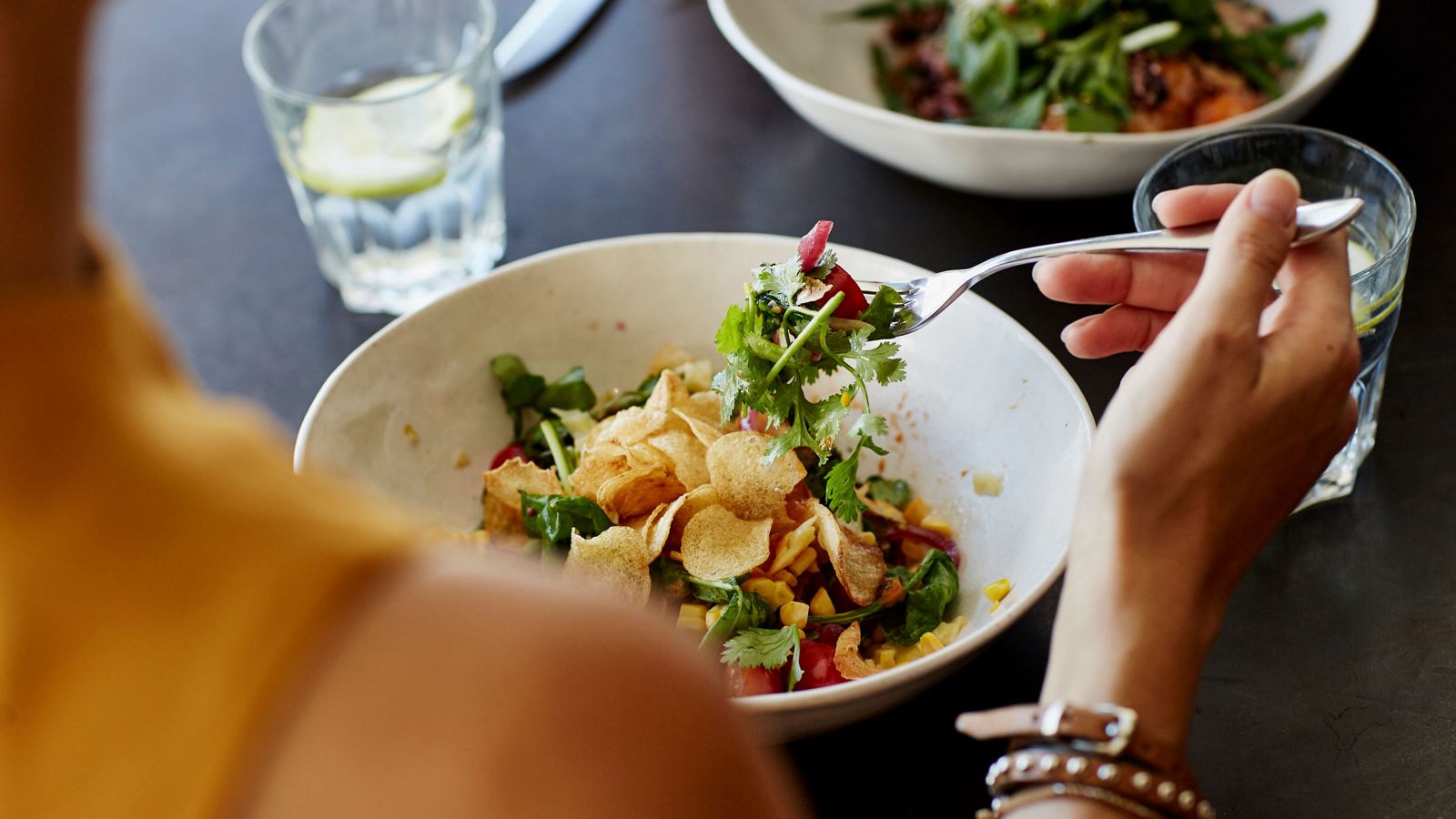
An expert orthopaedic surgeon has detailed crucial dietary strategies to protect joint health, emphasizing anti-inflammatory foods like fatty fish, leafy greens, and nuts while advising patients to avoid processed items and excessive sugars. Proper nutrition management significantly reduces cartilage wear, manages chronic joint pain, and enhances overall mobility.
Amid rising cases of musculoskeletal discomfort, a leading orthopaedic surgeon outlines essential dietary changes to protect cartilage and reduce inflammation.
Addressing the vital connection between nutrition and musculoskeletal wellness, prominent orthopaedic specialists have released comprehensive dietary guidelines detailing what individuals should eat and avoid to safeguard joint health. Published in August 2026, the expert recommendations arrive as doctors notice an increasing correlation between pro-inflammatory modern diets and early-onset joint stiffness, osteoarthritis, and mobility limitations. By identifying specific nutritional groups that suppress inflammation alongside detrimental foods that exacerbate joint wear, medical professionals aim to empower patients to manage joint longevity through everyday dietary choices.
Nutritional Pillars: Foods to Embrace and Avoid
Maintaining structural joint integrity requires more than just physical activity; it depends heavily on biochemical pathways influenced by daily dietary intake. According to clinical consensus from orthopaedic and rheumatology boards, incorporating targeted anti-inflammatory foods helps preserve cartilage matrix proteins, while eliminating processed triggers reduces systemic swelling.
Key dietary recommendations highlighted by medical experts include:
Omega-3 Fatty Acids: Consuming cold-water fatty fish such as salmon, mackerel, and sardines provides EPA and DHA, which clinical studies show help suppress inflammatory proteins like C-reactive protein (CRP).
Antioxidant-Rich Produce: Incorporating colorful fruits (such as berries and citrus) and cruciferous vegetables (like broccoli, kale, and cabbage) supplies vital phytochemicals and vitamin C necessary for collagen synthesis.
Healthy Plant Oils: Substituting butter and refined cooking oils with extra-virgin olive oil introduces natural compounds that act on identical anti-inflammatory pathways as standard analgesics.
Detrimental Triggers to Limit: Orthopaedic specialists strongly advise minimizing refined sugars, white bread, processed meats, and deep-fried snacks, which release advanced glycation end-products (AGEs) that accelerate joint degradation.
Impact on Citizens, Patients, and Active Lifestyles
For aging demographics, athletes, and individuals managing chronic arthritis, dietary adjustments offer a non-invasive, cost-effective method to complement physical therapy and medical treatments. Reducing systemic inflammation not only alleviates morning joint stiffness and swelling but also aids in natural weight management, thereby decreasing mechanical load-bearing pressure on weight-bearing joints like the knees and hips.
Why It Matters
Joint health directly dictates independence, physical performance, and quality of life across all age groups. Understanding how specific dietary components influence inflammation shifts the medical paradigm from reactive pain management to proactive nutritional defense.
Key Facts at a Glance
Core Objective: Protecting joint cartilage and reducing chronic inflammation through targeted nutrition.
Beneficial Additions: Fatty fish, dark leafy greens, berries, nuts, and extra-virgin olive oil.
Items to Restrict: Refined carbohydrates, trans fats, excessive salt, and processed red meats.
Secondary Benefit: Facilitates healthy weight management, reducing mechanical stress on hips and knees.
FAQ Section
Can a specific diet cure arthritis or joint degeneration?
Medical experts clarify that while food cannot completely cure structural joint diseases, a targeted anti-inflammatory diet significantly reduces pain, swelling, and disease activity.
Which oils are recommended by orthopaedic surgeons for cooking?
Extra-virgin olive oil is widely recommended due to its natural oleocanthal content, which helps suppress inflammatory pathways.
Are nightshade vegetables harmful to joint health?
Clinical evidence does not universally support avoiding nightshades (like tomatoes and potatoes) unless an individual patient notices a specific personal flare-up after consumption.
Where can readers find certified medical guidance on joint-healthy nutrition?
Detailed patient education guides are accessible via the Arthritis Foundation Health Portal and Cleveland Clinic Health Essentials.
Source: Arthritis Foundation, Cleveland Clinic, Harvard Health Publishing, AAOS