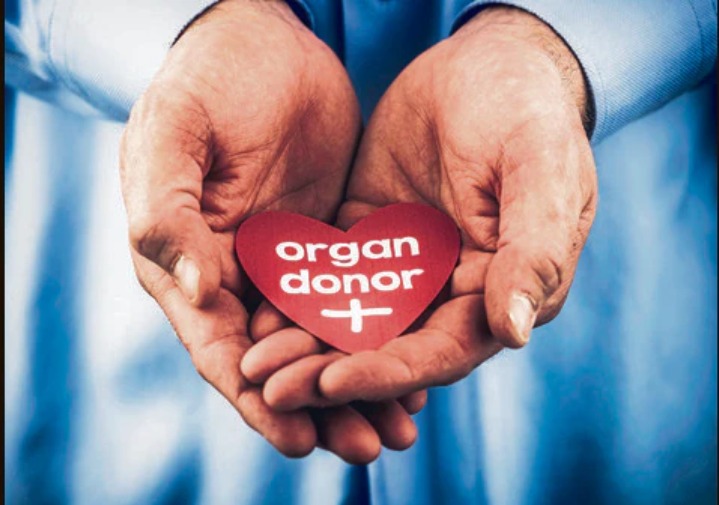
India is reinforcing its national organ donation framework by integrating secure digital authentication via NOTTO. The modernized system streamlines donor registration, eliminates fraudulent pledges, and accelerates emergency coordination between hospitals, ultimately improving transparency and equity across India's life-saving transplant network.
India is transforming its national organ transplant framework by integrating secure digital authentication to streamline donor registration and enhance transparency.
NEW DELHI — In a strategic push to modernize public health infrastructure, India is extensively leveraging digital identity verification within its national organ donation framework. Managed centrally by the National Organ and Tissue Transplant Organization (NOTTO) under the Ministry of Health and Family Welfare, the integration of secure Aadhaar authentication on registration portals aims to eliminate administrative bottlenecks, prevent fraudulent pledges, and build a unified, transparent database for life-saving deceased and living donations.
Streamlining National Registries Through Digital Verification
According to official briefings released by the Press Information Bureau (PIB) and NOTTO, the adoption of streamlined digital verification addresses long-standing challenges in medical coordination. Historically, manual record-keeping and fragmented state databases slowed down the verification of donor consent during critical emergency windows.
Instantaneous Identity Matching: Utilizing secure OTP-based authentication links prospective donor pledges directly to verified demographic data.
Integration with ABHA: Pledges made via the national portal sync seamlessly with the Ayushman Bharat Health Account (ABHA) ecosystem, uniting health records nationwide.
Elimination of Duplicates: Digital verification safeguards registry integrity, ensuring that individual pledges are authentic, traceable, and legally sound.
Health ministry officials note that hundreds of thousands of citizens have successfully registered their pledges through the optimized digital interface since its wider rollout, reflecting a profound shift toward transparent public health governance.
Enhancing Transparency and Trust in Transplants
The incorporation of secure identity frameworks directly impacts how medical institutions handle organ procurement and allocation. Under the Transplantation of Human Organs and Tissues Act (THOTA), maintaining uncompromised audit trails is essential to ensure equitable distribution between waiting patients. By anchoring the pledge process to a trusted national verification layer, hospitals and regional transplant organizations can rapidly verify donor intent, minimizing administrative delays during the crucial golden period following a donor's demise.
Official Sources Section
Quote Section
"According to officials, integrating secure digital authentication into the national organ donation network ensures absolute transparency, speeds up donor identification during critical medical windows, and reinforces public trust in India's healthcare infrastructure."
Why It Matters
For citizens and patients waiting for life-saving organ transplants, time is the single most critical factor. By modernizing the registration backend with frictionless digital identity checks, India is cutting down administrative friction, expanding its pool of registered cadaveric donors, and ensuring that organs are allocated transparently and equitably to those in greatest need.
Key Facts at a Glance
Apex Governing Body: National Organ and Tissue Transplant Organization (NOTTO).
Core Technology: Secure OTP-based digital authentication linked with the national health repository.
Primary Objective: Streamlining donor pledges, preventing fraudulent entries, and accelerating emergency organ allocation.
Legal Framework: Governed under the Transplantation of Human Organs and Tissues Act (THOTA).
FAQ Section
How does digital authentication assist with organ donation registration in India?
Secure verification allows citizens to instantly and securely register their organ donation pledges online via official government portals like NOTTO, ensuring their consent is legally recorded and easily verifiable.
Is organ donation registration mandatory via digital identification?
While citizens can access registration channels through authorized healthcare facilities, online self-registration mandates secure digital authentication to confirm identity and prevent duplicate or fake entries.
Where can citizens officially pledge their organs in India?
Citizens can register their intent safely through the official web portals managed by NOTTO.
Source: Press Information Bureau (PIB), National Organ and Tissue Transplant Organization (NOTTO)