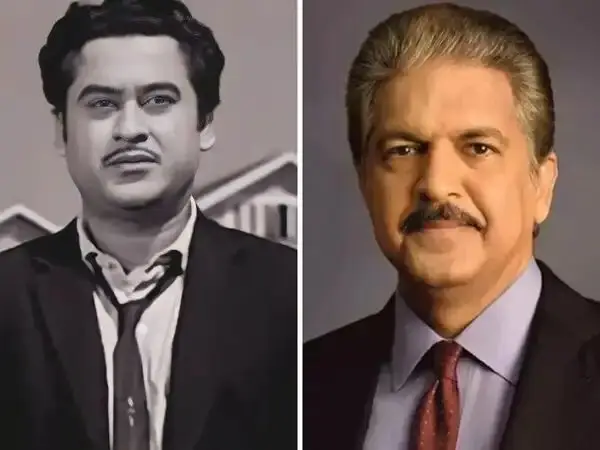
The Calcutta High Court has denied Trinamool Congress MP Abhishek Banerjee permission to travel abroad for specialized eye treatment. The single-bench ruling followed Banerjee's refusal to appear before a state-constituted medical board at SSKM Hospital. The court stressed that local medical evaluation must precede any overseas travel exemptions.
Citing a refusal to undergo evaluation by a state medical board, the high court dismisses a high-profile political plea for foreign medical treatment.
In a significant legal development in Kolkata, the Calcutta High Court officially dismissed a petition filed by Trinamool Congress (TMC) National General Secretary Abhishek Banerjee seeking permission to travel abroad for specialized medical treatment. Delivered on August 5, 2026, by a single-judge bench comprising Justice Saugata Bhattacharya, the ruling stems from the petitioner’s refusal to appear before an independent medical board established at the state-run SSKM Hospital. The high-profile case highlights the complex interplay between pending criminal investigations, judicial travel restrictions, and individual medical choices within India's legal landscape.
Legal Background and the Medical Board Controversy
The legal proceedings trace back to travel restrictions attached to interim protections granted to Banerjee in ongoing criminal cases. Having previously undergone eye surgeries following an injury sustained in a 2016 road accident, Banerjee sought a multi-week exemption to continue his care under specialists in the United States.
However, the judicial review focused on whether local medical infrastructure could adequately service his healthcare needs:
Medical Evaluation Mandate: Justice Bhattacharya directed the formation of a three-member ophthalmology expert panel at SSKM Hospital to assess whether foreign intervention was truly indispensable.
Refusal of State Board Examination: On instructions from the petitioner, senior counsel submitted that Banerjee preferred examination by a doctor of his personal choice rather than the state-run board.
Court Rulings on Location: Emphasizing that the court is not a medical body, Justice Bhattacharya noted that "at this stage, what is important is the treatment of the petitioner; where it will be administered is immaterial" if facilities exist domestically.
Supreme Court Context: The matter reached the High Court following an expedited directive issued by the Supreme Court of India on August 3, instructing the bench to dispose of the plea within a week.
State Objections and Arguments from Defense Counsel
During court hearings, state prosecutors—led by Additional Advocate General Rajdeep Majumder—strongly opposed the travel request. The state argued that multiple criminal prosecutions are pending against the parliamentarian and that his physical presence may be required for ongoing investigative procedures. Furthermore, state counsels maintained that no immediate medical emergency warranted overriding existing legal boundaries.
Conversely, appearing for the petitioner, Senior Advocate Rebecca John argued that patients possess an intrinsic right to choose their treating physicians and medical institutions, pointing out that Banerjee had travelled abroad multiple times between 2023 and 2025 without breaching any legal conditions. Despite these submissions, the bench concluded that refusal to submit to the court-ordered medical board rendered the foreign travel application untenable.
Why It Matters
Judicial decisions regarding international travel restrictions for public figures set vital precedents concerning bail compliance, the supremacy of local medical boards, and the balance between personal healthcare choices and active criminal investigations. The ruling reinforces that court-mandated conditions require strict adherence to local evaluation procedures before overseas travel exemptions can be considered.
Key Facts at a Glance
Petitioner: Abhishek Banerjee, Trinamool Congress MP and National General Secretary.
Ruling Body: Calcutta High Court (Single Bench of Justice Saugata Bhattacharya).
Core Issue: Permission to travel abroad for specialized eye treatment.
Reason for Dismissal: Petitioner declined to appear before an independent medical board at SSKM Hospital.
FAQ Section
Why did the Calcutta High Court deny Abhishek Banerjee's travel request?
The court dismissed the plea after Banerjee declined to appear before a state-constituted medical board at SSKM Hospital to evaluate whether his treatment required overseas intervention.
What was the primary medical condition cited in the petition?
The petition requested specialized medical care for an eye condition linked to an injury sustained during a 2016 road accident.
Did the Supreme Court give any instructions on the matter?
Yes, on August 3, 2026, the Supreme Court directed the Calcutta High Court to expedite and dispose of the travel plea within a week.
Where can legal professionals track official high court orders?
Complete case documents and daily cause lists are accessible via the Calcutta High Court Official Portal and legal databases like Live Law.
Source: Calcutta High Court, The Times of India, The Hindu, Live Law