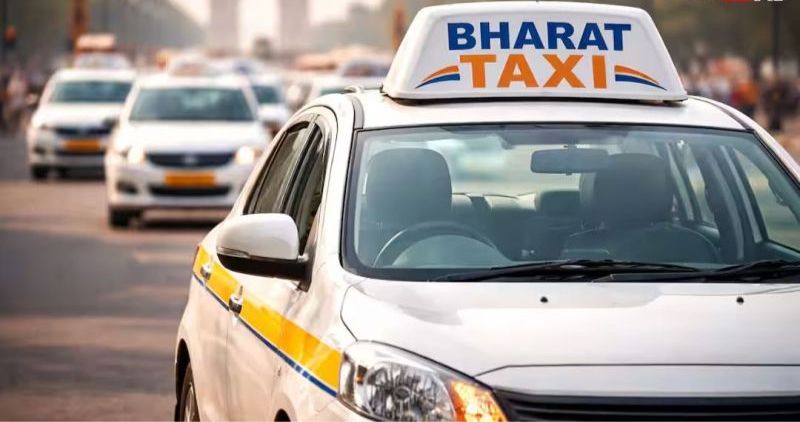
Union Home and Cooperation Minister Amit Shah clarified in Parliament that Bharat Taxi is designed as a driver-centric cooperative alternative rather than a direct replacement for private aggregators like Ola and Uber. Operating under Sahakar Taxi Cooperative Limited, the platform emphasizes driver ownership, transparent fares, and enhanced safety measures.
Addressing Parliament, the Union Cooperation Minister outlines the operational objectives, funding framework, and safety protocols governing India’s new cooperative ride-hailing platform.
In an official statement presented during parliamentary proceedings in New Delhi, Union Home and Cooperation Minister Amit Shah clarified the strategic objectives behind Bharat Taxi, India's newly established cooperative ride-hailing platform. Addressed in August 2026, the comprehensive briefing answered pressing questions regarding market competition, financial backing, and safety standards. Stressing that Bharat Taxi is not intended to monopolize the sector or forcefully replace established private aggregators such as Ola and Uber, the government positioned the platform as a democratic, driver-centric alternative grounded in cooperative principles.
Objectives and the Cooperative Business Model
Operated under the aegis of Sahakar Taxi Cooperative Limited (STCL)—a multi-state cooperative society registered under the Multi-State Cooperative Societies Act, 2002—Bharat Taxi aims to transform the economics of urban mobility. Unlike conventional corporate aggregators that rely on commission-based models, the cooperative structure ensures that participating drivers (referred to as Sarathis) act as direct stakeholders and members.
Key operational pillars outlined by official disclosures include:
Driver Empowerment: Drivers participate directly in governance, retaining a maximized share of earnings without heavy platform commission cuts.
Transparent Pricing: Fares are regulated through periodic reviews to ensure affordability for everyday commuters while maintaining sustainable returns for drivers.
Institutional Backing: The initiative is supported by eight apex national cooperative institutions, including NCDC, IFFCO, AMUL (GCMMF), KRIBHCO, NAFED, NABARD, NDDB, and NCEL, aiding in outreach and member mobilization.
Independent Funding: Clarifying financial structures, the government confirmed that no direct financial assistance, equity support, or state subsidies have been provided by the central government for establishing or expanding the platform.
Safety Protocols, Expansion Plans, and Passenger Measures
To ensure passenger security and seamless transit integration, the platform incorporates multi-layered safety and expansion strategies. According to official announcements, passenger protection remains a primary operational focus.
Essential safety and growth measures include:
Rigorous Verification: Comprehensive background checks and verification protocols are mandatory for all drivers and vehicles prior to onboarding.
Advanced In-App Safety: The application features integrated SOS emergency alerts, real-time trip sharing with trusted family contacts, and secure, encrypted data logs.
Institutional Coordination: STCL has established active coordination frameworks with state police departments and transit authorities to manage emergency responses.
Phased Infrastructure Expansion: Rollout schedules depend on operational readiness and local state approvals, with strategic plans to integrate services with metro stations, railway terminals, and airports for efficient last-mile connectivity.
Why It Matters
The introduction of a cooperative ride-hailing model introduces a fresh competitive dynamic into India's urban transport sector. By prioritizing driver welfare and community ownership over corporate profit margins, the initiative offers an alternative paradigm for gig-economy workers and urban commuters alike.
Key Facts at a Glance
Governing Entity: Sahakar Taxi Cooperative Limited (STCL).
Legal Framework: Multi-State Cooperative Societies Act, 2002.
Core Objective: Providing a transparent, driver-owned mobility alternative without government equity backing.
Safety Features: Mandatory verification, SOS emergency tools, and police coordination.
FAQ Section
Is Bharat Taxi meant to replace Ola and Uber?
No, government clarifications confirm that Bharat Taxi is designed as a cooperative, driver-centric alternative rather than a direct replacement for private aggregators.
Did the government provide financial funding for Bharat Taxi?
No direct financial assistance, equity support, or government subsidy has been extended to establish or expand the platform; it operates independently under cooperative frameworks.
How does Bharat Taxi protect passenger safety?
The platform mandates driver and vehicle verification prior to onboarding, incorporates an in-app SOS facility, allows live trip sharing, and coordinates with state police departments.
Where can citizens review official government updates on Bharat Taxi?
Detailed policy announcements and parliamentary records are accessible via the Press Information Bureau (PIB) Portal.
Source: Press Information Bureau (PIB), The Hindu, Jagran News