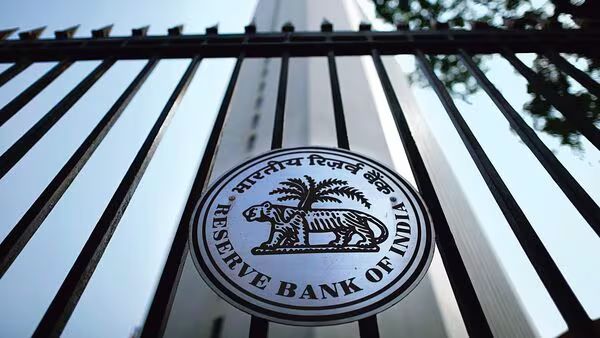
The Reserve Bank of India has issued draft norms for 'on-tap' licensing of Urban Co-operative Banks, ending a nearly two-decade pause. Aimed at boosting financial inclusion, the framework mandates a minimum net worth of 300 crore rupees and strict financial track records for qualifying multi-state cooperative credit societies.
Ending a nearly two-decade hiatus, the central bank introduces rigorous draft guidelines to resume issuing banking licenses to qualified urban cooperatives.
In a major policy shift for India’s cooperative banking sector, the Reserve Bank of India (RBI) officially released comprehensive draft guidelines for the 'on-tap' licensing of Urban Co-operative Banks (UCBs). Announced in Mumbai in August 2026 by RBI Governor Sanjay Malhotra as part of the Statement on Developmental and Regulatory Policies, the move breaks a licensing pause that has lasted for nearly twenty years. Following stakeholder consultations initiated through a January 2026 discussion paper, the central bank aims to expand grassroots financial inclusion, boost competition, and improve credit access for small businesses and low-to-middle-income borrowers under an enhanced regulatory framework.
Stringent Financial Eligibility and Capital Requirements
The newly unveiled draft framework establishes high entry barriers to ensure that only financially robust and well-managed entities enter the regulated banking space. Drawing lessons from historical cooperative failures, the RBI has tied eligibility to strict capital adequacy, clean asset quality, and long-standing operational histories.
Key parameters outlined in the draft licensing framework include:
Minimum Net Worth Threshold: Eligible applicant credit societies must possess a minimum net worth of 300 crore rupees and maintain a deposit base scaled to regulatory expectations.
Track Record and Operations: Societies must demonstrate an active operational history of at least 10 years, backed by a minimum of 5 consecutive years of sound financial performance and positive growth trajectories.
Asset Quality and Capital Ratios: At the time of licensing, the applicant's Capital to Risk-Weighted Assets Ratio (CRAR) must not fall below 12%, while the Net Non-Performing Assets (NPA) ratio must remain capped at or below 3%.
Multi-State Preference: While select strong single-state entities may be reviewed, multi-state cooperative credit societies registered under the Multi-State Co-operative Societies Act, 2002, are prioritized to ensure broad geographical footprints and risk diversification.
Impact on Consumers, Businesses, and Market Competition
The resumption of on-tap licensing holds practical implications for local economies and small-scale entrepreneurs. For decades, the consolidation and closure of weak cooperative banks created a supply gap in localized retail credit. By introducing disciplined, technology-backed urban cooperative banks into the fold, the market will experience heightened competition, compelling lenders to upgrade digital infrastructure, enhance cybersecurity, and extend targeted financial services to unbanked urban pockets.
Why It Matters
The introduction of on-tap licensing for urban cooperatives bridges the gap between grassroots cooperative structures and modern commercial banking standards. By enforcing strict corporate governance, professional board compositions, and robust capitalization, the policy protects depositors while revitalizing a vital segment of India's financial architecture.
Key Facts at a Glance
Regulatory Body: Reserve Bank of India (RBI).
Policy Initiative: Resumption of 'on-tap' licensing for Urban Co-operative Banks (UCBs).
Minimum Net Worth Requirement: Proposed at ₹300 crore.
Track Record Mandate: Minimum 10 years of active operation with 5 years of positive financial performance.
FAQ Section
Why did the RBI resume licensing for Urban Co-operative Banks?
Following a nearly two-decade pause, the RBI decided to reopen licensing based on stakeholder feedback, improved sector health through consolidation, and enhanced statutory regulatory powers.
What is the minimum net worth required to apply for a UCB license?
Under the draft norms, applicant cooperative credit societies must maintain a minimum net worth of ₹300 crore.
What are the asset quality requirements for applicants?
Applicants must maintain a Capital to Risk-Weighted Assets Ratio (CRAR) of at least 12% and a Net NPA ratio not exceeding 3% at the time of licensing.
Where can stakeholders review the complete draft guidelines?
Complete policy circulars and draft documents are accessible via the Reserve Bank of India Official Portal.
Source: Reserve Bank of India (RBI), The Times of India, LiveMint, DD India