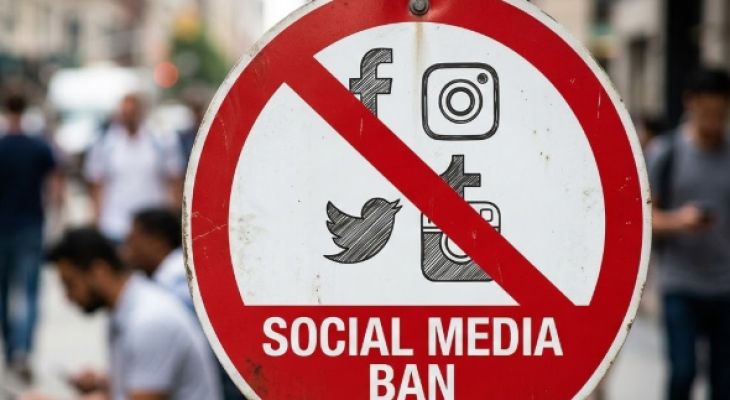
Amid mounting global concerns regarding digital addiction and online safety, the Indian government has initiated formal consultations with major technology platforms regarding age-based access restrictions. Union Minister Ashwini Vaishnaw confirmed that authorities are exploring workable regulatory frameworks to protect minors, following similar legislative actions enacted across several international democracies.
As international pressure builds over online safety and digital addiction, New Delhi confirms active discussions with tech platforms regarding age-based access restrictions.
Amid a rapidly intensifying global debate over the mental health impacts of digital platforms on minors, the Indian government has addressed growing legislative and public interest regarding potential age-based restrictions. Speaking in New Delhi, Union Minister for Electronics and Information Technology Ashwini Vaishnaw confirmed that the central government is actively engaging in discussions with major social media companies to explore workable frameworks for age-gating and user protection. The official response follows a series of parliamentary proposals, state-level task force initiatives, and policy advisories emphasizing the urgent need to shield children and adolescents from online harms, cyber exploitation, and compulsive digital consumption.
Evaluating Global Precedents and Domestic Policy Options
The dialogue surrounding youth access restrictions has gained significant momentum following pioneering legislative actions abroad, such as Australia's implementation of an under-16 platform ban, alongside similar regulatory measures proposed in France, Spain, and the United Kingdom. In the Indian context, policymakers are balancing public health imperatives with the technical complexities of enforcement across the world's most populous internet market.
Key dimensions of the ongoing government review include:
Stakeholder Consultations: Ongoing dialogues between the Ministry of Electronics and Information Technology (MeitY) and platform representatives focusing on accountability, verification mechanics, and risk mitigation.
Legislative Proposals: Consideration of private member bills and institutional recommendations aimed at mandating strict parental consent or minimum age thresholds for platform account creation.
Targeted Protections: Integrating child safety frameworks directly into broader digital governance rules, complementing recent legal mandates governing artificial intelligence and deepfake content.
Platform Compliance Responsibilities: Exploring legal mechanisms that place the onus of verification and penal enforcement directly on major aggregators, including Meta, Snap, and X.
Impact on Tech Giants, Parents, and Young Consumers
A potential move toward restricting social media access for minors would carry substantial implications for multinational technology companies, local consumers, and families. For major platforms reliant on youthful engagement, stricter verification mandates would require a complete overhaul of onboarding infrastructure. Meanwhile, child psychologists, educators, and parent associations have largely welcomed the administrative focus, noting that excessive screen time and algorithmic exposure present serious developmental challenges. At the same time, privacy advocates stress the importance of ensuring that any mandatory age-verification protocols do not compromise broader user data privacy or necessitate intrusive digital surveillance.
Why It Matters
Establishing clear regulatory boundaries for minors on digital networks addresses public health concerns surrounding screen addiction and online safety. Navigating these policies effectively allows the state to protect vulnerable demographics without stifling digital innovation or violating user privacy rights.
Key Facts at a Glance
Core Policy Focus: Evaluating age-based access restrictions and digital safety mandates for minors on social media.
Official Stance: IT Minister Ashwini Vaishnaw confirmed active government discussions with major technology platforms.
Global Context: Follows similar under-16 restrictions enacted in Australia and debated across European jurisdictions.
Key Objectives: Combating digital addiction, preventing online exploitation, and enforcing platform compliance.
FAQ Section
Is India officially banning social media for children under 16?
The government has not enacted an outright ban; however, authorities are holding formal consultations with tech platforms to explore age-based restrictions and safety regulations.
What prompted the discussion on social media age limits in India?
Growing concerns over digital addiction, cyber harms, and child safety—alongside similar legislative actions taken by countries like Australia—sparked the domestic debate.
Who would be responsible for enforcing potential age restrictions?
Policy proposals suggest that technology companies and social media platforms would bear the primary compliance responsibility for verifying user ages and restricting accounts.
Where can citizens track official updates on digital technology rules?
Complete policy notifications and ministry updates are accessible via the Ministry of Electronics and Information Technology (MeitY) Portal.
Source: Ministry of Electronics and Information Technology, The Hindu, ThePrint