India’s high earners are shifting from the FIRE movement toward a "HENRY" lifestyle, prioritizing long-term income stability and premium consumption over early retirement. Rising healthcare costs and urban inflation have rendered traditional "retire at 35" models unsustainable, prompting affluent professionals to favor wealth management that supports current quality living.
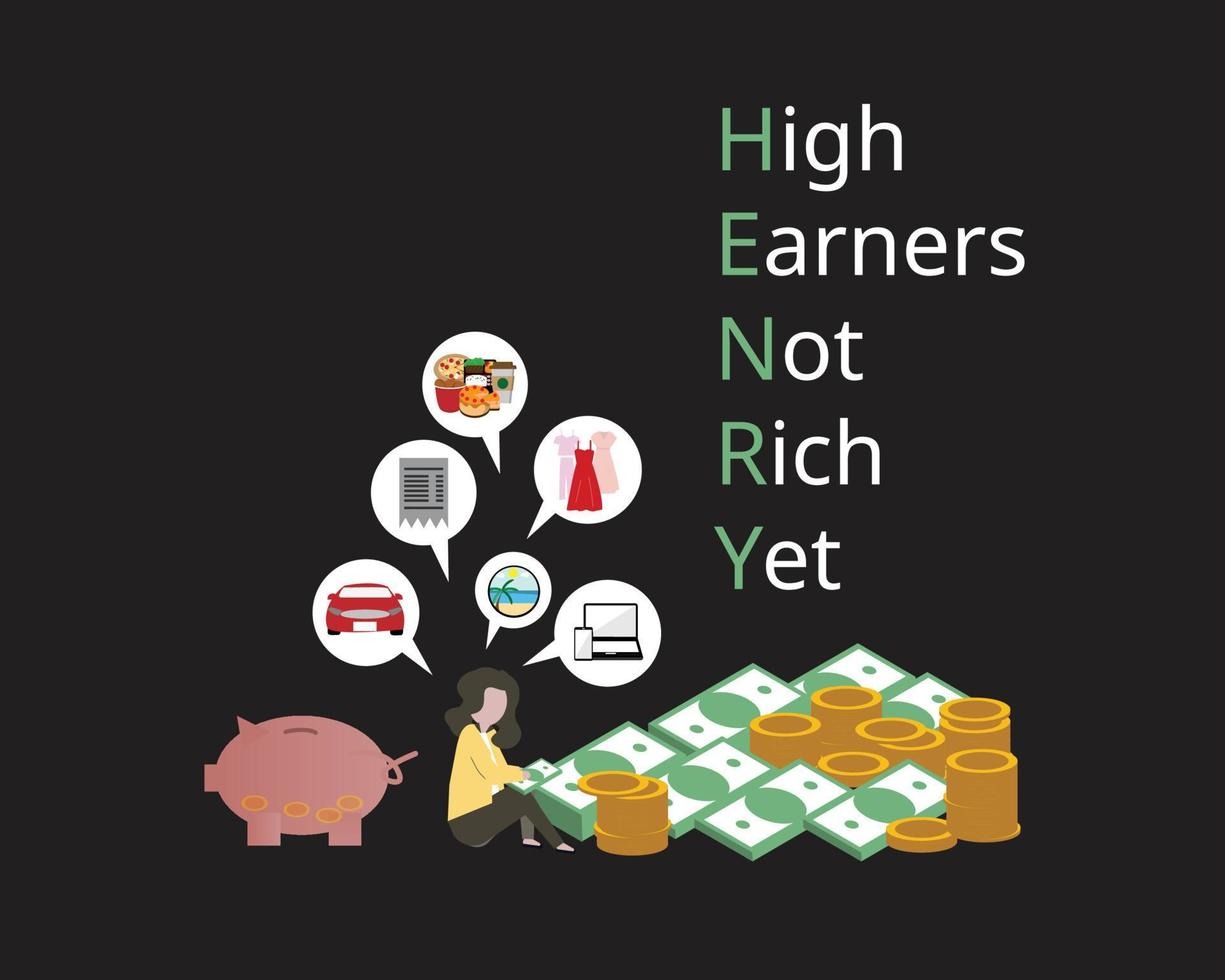
For years, the FIRE (Financial Independence, Retire Early) movement captivated the aspirations of young Indian professionals. The promise was simple: save aggressively, cut expenses to the bone, and exit the rat race in your 30s or early 40s. However, as of mid-2026, a significant shift is underway. India’s top-tier earners are moving away from the "retire at 35" fantasy, instead embracing the "HENRY" (High Earners, Not Rich Yet) lifestyle—a framework that prioritizes high-income stability and premium living over the structural austerity required for early retirement.
The Cracks in the FIRE Script
The pivot is driven by the realization that the traditional FIRE formula—often borrowed from Western contexts—is fundamentally ill-suited for the modern Indian economy. Financial experts note that the "FIRE number" for most Indian professionals was consistently underestimated.
"Many FIRE calculations ignore the true cost of healthcare inflation, which runs at 10–15% annually, and the rising burden of parent and child-related obligations," explains market researcher Priya Nair. In 2026, with property prices in cities like Gurugram and Noida surging by up to 24% and gold prices showing unprecedented volatility, the "safety net" that FIRE promised is looking increasingly fragile. For many, the math of early retirement has evolved from a 25x multiplier of annual expenses to a more realistic 33x, plus a dedicated multi-lakh buffer for medical contingencies.
The Emergence of the HENRY Lifestyle
Rather than burning out while chasing an impossible early retirement, affluent Indians are opting for the HENRY model. This lifestyle emphasizes:
Income Resilience: Instead of relying on a finite corpus, professionals are focusing on maintaining high-earning potential well into their 50s.
Lifestyle Identity: Spending has transitioned from a utility to an identity. High earners are prioritizing premium schooling, global travel, and prime urban real estate, viewing these as essential "lifestyle taxes" that provide immediate utility.
Laddered Liquidity: Wealth management has shifted from "maximizing returns" to "minimizing shocks." Investors are increasingly moving toward essential service sectors—such as water management, logistics, and energy distribution—that provide stable cash flows rather than volatile equity spikes.
Why the "Retire Early" Fantasy is Fading
The shift is also a response to the psychological toll of the FIRE movement. The "crab mentality" and scarcity mindset often associated with aggressive early-retirement saving have left many professionals feeling burnt out and disconnected.
"The most motivationally damaging mistake was targeting a retirement age of 35," notes financial expert Priya Nair. The current trend among the top 1–2% of earners is to aim for "Coast FIRE" or "Barista FIRE"—where one continues to work in a lower-stress environment or a role they genuinely enjoy, allowing compounding to handle the heavy lifting for retirement while maintaining a high current standard of living.
Official Perspective and Economic Context
The broader economic climate of 2026—characterized by faster economic cycles and market volatility—has made "full FIRE" a luxury accessible only to a tiny fraction of the population. Organizations like the World Economic Forum have highlighted the rise of interconnected global risks, further complicating the long-term planning required for early retirement. Consequently, high earners are increasingly viewing "financial independence" not as a finish line to stop working, but as the freedom to continue working without the anxiety of financial survival.
Key Facts at a Glance
Recalibrated Math: Indian FIRE experts now suggest a 30–33x multiplier of expenses, significantly higher than the standard 25x US-based formula.
The HENRY Shift: High earners are pivoting from aggressive, life-restricting saving to high-consumption, high-stability wealth management.
Inflation Realities: Healthcare inflation is outpacing CPI, necessitating separate, multi-lakh buffers that many FIRE calculators previously omitted.
Functional Diversification: Wealth management is shifting from basic mutual fund portfolios to alternative assets like REITs and fractional ownership in logistics and data centers.
FAQ
Is the FIRE movement dead in India?
Not dead, but maturing. The focus has shifted from the "retire at 35" fantasy to achieving "meaningful freedom at 45," with a more realistic assessment of healthcare and family obligations.
What exactly is a "HENRY"?
HENRY stands for "High Earner, Not Rich Yet." It describes individuals who earn a significant income (often top 1–5%) but spend a large portion of it on a high-end lifestyle, making them "wealthy" in income but not yet having a massive, long-term asset base.
Why is early retirement harder in India now than in 2020?
The combination of hyper-inflation in urban housing, skyrocketing medical costs, and the need to fund both parents' retirement and children's education has made the required corpus 50% to 100% larger than previous estimates.
Should I stop saving for retirement?
Absolutely not. The shift is away from austere saving that sacrifices quality of life, toward disciplined compounding that supports both current premium living and future long-term security.
Source: Rivo: FIRE Movement for Indian Middle Class, Daily Pioneer: Middle Class Wealth Shift 2026, LiveMint: India's New Retirement Crisis.