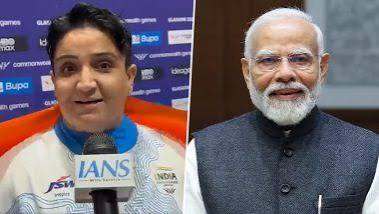
Prime Minister Narendra Modi congratulated para-athlete Sharmila Dhankar on Tuesday, July 28, 2026, following her historic gold medal in the women’s shot put F57 event at the 2026 Commonwealth Games in Glasgow. Dhankar’s victory delivered India's first-ever CWG para-athletics gold, ending a two-decade medal wait for the nation in the discipline.
The 40-year-old shot putter ends India's two-decade wait for a Commonwealth Games para-athletics medal with a season-best throw in Glasgow.
NEW DELHI — Prime Minister Narendra Modi publicly commended Indian para-athlete Sharmila Dhankar on Tuesday, July 28, 2026, after she clinched the gold medal in the women’s shot put F57 event at the 23rd Commonwealth Games in Glasgow, Scotland. The 40-year-old thrower produced a season-best mark of 9.81 meters to secure India’s first-ever gold medal in para-athletics at the Commonwealth Games, ending a 20-year medal drought for the country in the discipline dating back to 2006. The milestone was celebrated across the national sports community as a testament to personal resilience and domestic sports development.
Historic Victory and Podium Standings in Glasgow
According to official event statistics released by the Commonwealth Games Federation, Dhankar dominated the women’s F57 seated shot put final. Her winning distance of 9.81 meters placed her comfortably ahead of silver medalist Zinabu Issah of Ghana, who recorded a throw of 8.65 meters.
The competition also saw India secure a historic double podium. Following an official review and protest concerning an invalid throw by initial third-place finisher Eucharia Iyiazi of Nigeria, Indian teammate Shilpa K. Shyla was elevated to the bronze position with a personal-best mark of 7.26 meters. This marked the first time India earned two medals in a single para-athletics event at the Commonwealth Games.
High-Level Commendations and Official Reactions
Addressing the achievement on social media platform X, Prime Minister Narendra Modi noted that history had been created in Glasgow, highlighting the significance of the 20-year wait for a para-athletics gold.
President Droupadi Murmu also praised the victory, describing it as a landmark feat that will inspire young athletes across the country to excel. Union Sports Minister Dr. Mansukh Mandaviya added that Dhankar's indomitable spirit made the entire nation proud on the global stage.
In post-event interviews, Dhankar dedicated her historic performance to her visually impaired mother, citing family support through financial and physical hardship as her primary motivation.
Background and Personal Journey of Resilience
Hailing from Chithroli village in Haryana's Rewari district, Dhankar's trajectory to global sporting success involved overcoming severe physical and socioeconomic challenges. Having contracted polio at age two, which affected her left leg, she did not enter competitive para-athletics until age 34.
Encouraged by her husband Ajit Singh, she began professional training in 2020 under national coaches. To fund her training equipment and travel expenses ahead of international selections, her family sold their primary residential property in 2023. Before her Glasgow victory, Dhankar claimed national titles and earned gold at the 2026 Fazza International Para Athletics Championship.
Impact on Indian Para-Sports and Future Outlook
The victory highlights expanding infrastructure and institutional backing for para-athletics in India. Increased financial allocations under the Ministry of Youth Affairs and Sports' Target Olympic Podium Scheme (TOPS) have allowed para-athletes to access international coaching and specialized equipment.
Dhankar's gold medal brought India's overall medal tally at the 2026 Commonwealth Games to eight on Day 5, boosting national standings and establishing momentum for upcoming continental and Paralympic qualification cycles.
Official Sources Section
According to official releases, competition results, and executive statements:
Quote Section
According to official statements released following the women's shot put F57 final:
"History has been created in Glasgow! Congratulations to Sharmila for a very special Gold in the Women's Shot Put F57 event and also for a season-best throw. This remarkable performance ends a two-decade-long wait for a Para Athletics Gold at the Commonwealth Games," stated Prime Minister Narendra Modi.
Why It Matters
Sharmila Dhankar’s milestone victory validates national investments in adaptive sports programs and offers visible representation for athletes with disabilities across India. By ending a 20-year medal drought, her success elevates the profile of para-athletics within domestic sports governance, encouraging higher private sponsorship and grass-roots participation for female para-athletes.
Key Facts at a Glance
Historical Milestone: Sharmila Dhankar won India's first-ever Commonwealth Games gold medal in para-athletics.
Performance: Delivered a season-best throw of 9.81 meters in the women's shot put F57 final.
20-Year Wait Ended: Ended India's two-decade medal drought in CWG para-athletics dating back to 2006.
Double Podium: Teammate Shilpa K. Shyla earned bronze with a personal-best throw of 7.26 meters.
Frequently Asked Questions (FAQ)
What event did Sharmila Dhankar win gold in at the 2026 Commonwealth Games?
Sharmila Dhankar won gold in the Women's Shot Put F57 event with a season-best throw of 9.81 meters.
Why is Sharmila Dhankar's gold medal historic for India?
She became the first Indian para-athlete to win a gold medal at the Commonwealth Games, while also ending India's 20-year wait for a CWG para-athletics medal.
Who won the bronze medal in the same event?
Indian para-athlete Shilpa K. Shyla claimed the bronze medal after a technical review elevated her to third place with a throw of 7.26 meters.
How did Prime Minister Narendra Modi react to the victory?
PM Modi publicly praised Dhankar on social media platform X, describing the gold medal performance as a historic achievement for Indian sports.
Source: Prime Minister's Office (PMO India), Commonwealth Games Federation, Sports Authority of India