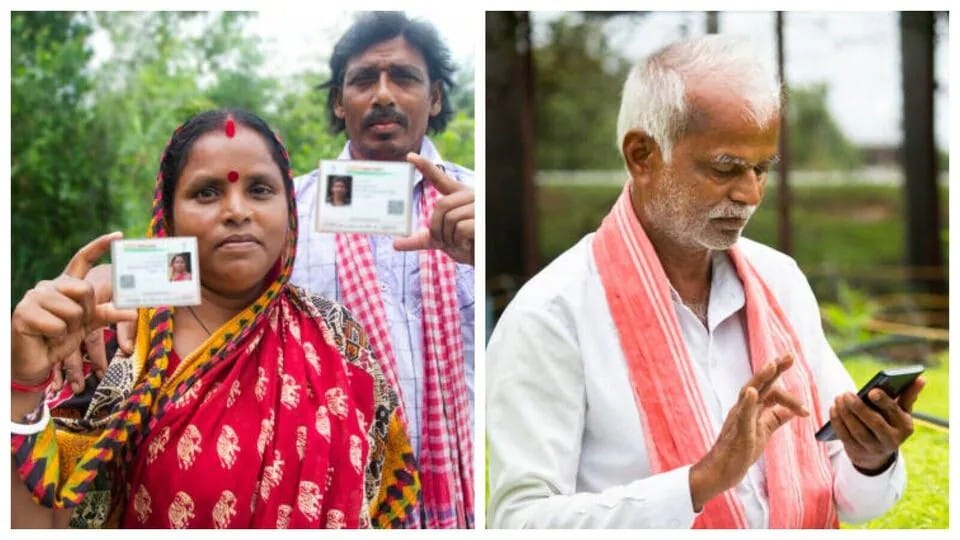
Federal telecommunications authorities are urging citizens to use the Sanchar Saathi and TAFCOP platforms to audit mobile connections linked to their personal identities. By promptly identifying and reporting unauthorized SIM cards, consumers can prevent identity theft, financial fraud, and associated legal liabilities.
NEW DELHI - In response to rising incidents of identity theft and telecommunication-enabled financial scams, regulatory authorities are urging mobile subscribers across India to audit all cellular connections linked to their personal identification records. Spearheaded by the Department of Telecommunications (DoT), the initiative leverages the centralized Sanchar Saathi platform and its Telecom Analytics for Fraud Management and Consumer Protection (TAFCOP) module. With digital Know Your Customer (KYC) frameworks making identity verification mandatory for new connections, routine digital audits protect citizens from unauthorized lines being exploited for illicit activities.
Digital Verification via Sanchar Saathi and TAFCOP
The process for verifying active mobile subscriptions has been centralized through a secure online governance portal. Subscribers can review every cellular connection mapped to their personal identity documents by completing a streamlined authentication process.
According to guidelines issued by the Department of Telecommunications, users must access the official portal, input an active 10-digit mobile number, and complete a security verification using a dynamic One-Time Password (OTP). Once validated, the system displays a comprehensive list of all mobile numbers registered under the user's credentials. This visibility allows individuals to instantly detect unrecognized numbers, legacy subscriptions that were never formally deactivated, or fraudulent connections.
Reporting Unauthorised Connections and Safeguarding Data
Uncovering an unknown or suspicious mobile connection requires prompt reporting to mitigate potential legal and financial exposure. The TAFCOP interface allows subscribers to flag specific entries by choosing dedicated categories, such as designating numbers that do not belong to them or marking old lines as unrequired.
According to regulatory compliance protocols, once an unauthorized entry is flagged, telecom service providers initiate immediate re-verification and disconnection workflows. Cybersecurity experts emphasize that isolating and blocking rogue accounts neutralizes major vectors used for financial fraud, cyber extortion, and scam communications.
Official Sources Section
Department of Telecommunications (DoT), Government of India: Official policy frameworks, security advisories, and national telecom analytics updates.
Sanchar Saathi Portal: Centralized digital governance infrastructure hosting the TAFCOP verification module.
Telecom Regulatory Authority of India (TRAI): Subscriber verification compliance standards and operator accountability rules.
"According to official announcements, regular monitoring of registered mobile subscriptions empowers citizens and strengthens digital resilience against organized telecommunication fraud networks."
Why It Matters
Unchecked mobile connections tied improperly to an individual's identity expose consumers to severe legal liabilities and financial risks. Proactive digital verification ensures that personal identification records remain secure, preserving financial integrity in an increasingly interconnected economy.
Key Facts at a Glance
Regulatory Threshold: Under DoT guidelines, an individual is permitted a maximum of nine mobile connections nationwide, with a limit of six in Jammu & Kashmir, Assam, and North-Eastern states.
Official Platform: Centralized auditing is hosted securely via the Sanchar Saathi and TAFCOP digital infrastructure.
Authentication Requirement: Secure access requires an active mobile number and dynamic OTP validation.
Actionable Outcome: Instant flagging mechanisms trigger operator investigations and immediate deactivations of fraudulent accounts.
FAQ Section
What is the primary purpose of the TAFCOP portal?
The portal allows mobile subscribers to check all cellular connections registered under their identity documents and report any unauthorized numbers for immediate deactivation.
How can a citizen check active mobile connections?
Users can visit the official Sanchar Saathi Portal, navigate to the TAFCOP section, enter an active mobile number, and complete the OTP verification to view their registered connections.
What should I do if I find an unknown number listed under my name?
Subscribers should select the option indicating that the number does not belong to them and submit a report directly through the portal to trigger operator investigation.
Are there limits on how many mobile connections an individual can hold?
Yes, regulatory frameworks establish a strict cap of nine active connections per individual across standard regions, and six connections in select sensitive states.
Source: Department of Telecommunications (DoT), Sanchar Saathi Portal, Telecom Regulatory Authority of India (TRAI).