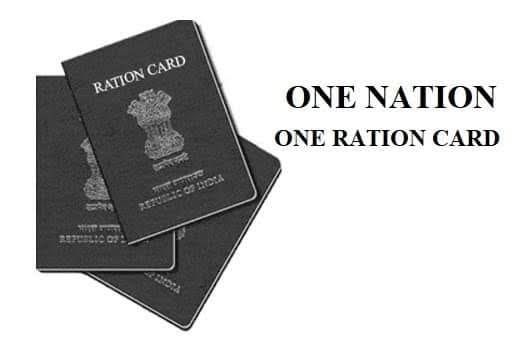
The Delhi government cancelled over 179,000 invalid ration cards, removing nearly 7.5 lakh ineligible beneficiaries from the Targeted Public Distribution System. Driven by tax data verification revealing income violations and non-collection, the purge allows the state to process 200,000 new ration cards for genuine low-income families under revised income criteria.
NEW DELHI — The Delhi government's Food Supplies and Consumer Affairs Department has officially cancelled 179,825 ration cards, removing 745,107 beneficiaries from the public distribution system following a comprehensive verification and data-matching drive. Department officials confirmed that the cancellations were executed after identifying widespread non-compliance, including households exceeding prescribed income limits, prolonged non-collection of food grains, duplicate card issuance, and benefits claimed under deceased individuals' names. This targeted purge marks a major operational shift in the capital's public welfare administration, designed to eliminate fraudulent entries and reallocate statutory food subsidies to genuine, economically underprivileged families.
Data Matching Exposes Income Criteria Violations
The recent verification exercise relied heavily on cross-database analytical matching involving records from the Central Board of Direct Taxes (CBDT) and the national e-District portal. According to official department orders, the primary cause for card invalidation was non-compliance with statutory income caps.
A total of 144,000 ration cards—covering more than 647,000 beneficiaries—were revoked after tax data revealed that household earnings significantly exceeded the mandated threshold of ₹1.20 lakh per annum. In numerous instances highlighted by CBDT tax filings, the aggregate annual income of one or more members within these flagged households exceeded ₹6 lakh, disqualifying them from receiving state-subsidized food commodities.
Detailed Breakdown of Cancelled Beneficiary Categories
The audit uncovered multiple categories of administrative and operational irregularities within the Targeted Public Distribution System (TPDS) list:
High-Income Exclusion: 144,000 cards accounting for 647,000 beneficiaries were blocked due to tax returns and income records reflecting earnings well above eligible statutory ceilings.
Dormant and Inactive Accounts: Over 35,000 ration cards linked to 97,634 beneficiaries were cancelled because the holders failed to collect allocated food grains for more than 12 consecutive months.
Duplicate Entries: A total of 29,391 individuals were removed after biometric deduplication and Aadhaar linkage revealed duplicate or overlapping ration cards across multiple fair price shop locations.
Deceased Cardholders: The department identified and removed 4,987 beneficiaries whose names were still actively drawing subsidized grains despite official death records.
Income Limit Revision and Issuance of Fresh Cards
To broaden the safety net for deserving urban poor households, the Delhi government recently revised the annual family income ceiling for new ration card applications from ₹1.20 lakh to ₹2.50 lakh. With the total number of ration card holders in Delhi hovering around 15.46 lakh, the removal of over 1.79 lakh invalid cards creates immediate quota capacity under the National Food Security Act (NFSA) ceiling.
Senior administration officials stated that the process for issuing approximately 200,000 new ration cards to verified low-income applicants is already underway through the official e-District portal. Additionally, over 300,000 long-pending applications are being systematically reviewed and updated to ensure that all eligible households receive food security benefits.
Official Sources Section
According to official releases, statutory notifications, and government announcements:
Quote Section
According to officials familiar with the public distribution system review:
"According to officials, the cancellation of 179,000 ineligible ration cards ensures that state food subsidies reach those who truly need them. By scrubbing duplicate, dormant, and high-income records, the administration is freeing up statutory capacity to issue fresh ration cards to roughly two lakh deserving low-income families across the capital."
Why It Matters
This administrative cleanup directly strengthens the integrity of India's social welfare distribution. For eligible urban poor families waiting on years-long pending lists, the cancellation of ghost and duplicate entries reopens access to heavily subsidized wheat, rice, and sugar. For taxpaying citizens and policymakers, removing high-income violators prevents leakage of public funds and ensures optimal fiscal utilization of government welfare budgets.
Key Facts at a Glance
Total Cards Cancelled: 179,825 ration cards blocked following data verification in Delhi.
Beneficiaries Affected: 745,107 ineligible or duplicate entries removed from public distribution rolls.
Primary Cause: 144,000 cards revoked due to family incomes exceeding established welfare thresholds.
New Limit Raised: Annual family income eligibility ceiling increased to ₹2.50 lakh for new applicants.
Fresh Quota Release: Approximately 200,000 new cards are being processed via the Delhi e-District portal.
Frequently Asked Questions (FAQ)
Why were 179,000 ration cards cancelled in Delhi?
The Food Supplies and Consumer Affairs Department cancelled the cards after cross-verifying data with income tax databases and e-district records. Cards were revoked due to higher income levels, failure to draw ration for 12 straight months, duplicate card ownership, or drawing grains against deceased persons.
What is the new income limit for applying for a ration card in Delhi?
The Delhi government has raised the annual family income eligibility limit for new ration card applicants from ₹1.20 lakh to ₹2.50 lakh to bring more low-income families under the food security net.
How can genuine low-income families apply for fresh ration cards?
Eligible citizens can submit fresh online applications through the Delhi government's e-District portal. Applicants must upload valid Aadhaar cards, local proof of residence, and updated income certificates for verification.
Will cancelled cardholders be allowed to reapply?
If a cardholder's income falls within the revised ₹2.50 lakh threshold and they meet all criteria, they can submit a fresh, fully completed application with correct documentation via the official portal.
Source: Food Supplies and Consumer Affairs Department, Central Board of Direct Taxes, Government of NCT of Delhi, Press Information Bureau