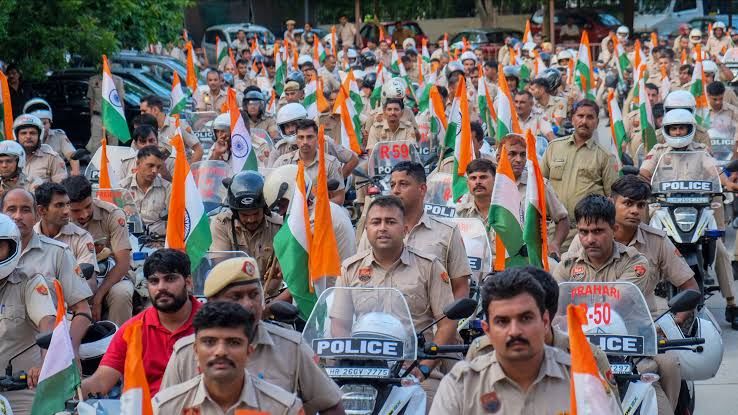
Delhi’s Har Ghar Tiranga 2026 campaign will distribute over 15 lakh flags, with 2 lakh sourced from women-led self-help groups to boost local livelihoods. The initiative, led by Chief Minister Rekha Gupta, combines national pride with economic empowerment while ensuring strict adherence to national flag codes and technical quality standards.
Ahead of Independence Day, the Delhi government is leveraging its Har Ghar Tiranga 2026 campaign to boost local livelihoods by sourcing 2 lakh national flags from women-led self-help groups.
NEW DELHI — The Delhi government has unveiled plans for the 2026 edition of the Har Ghar Tiranga campaign, announcing a strategic initiative to distribute more than 15 lakh national flags across the national capital. In a move aimed at fostering both national pride and economic self-reliance, the administration will procure approximately 2 lakh of these Tricolours from local self-help groups (SHGs).
The initiative, announced by Chief Minister Rekha Gupta, seeks to deepen public engagement with the annual Independence Day celebrations while providing sustainable income opportunities for the urban poor.
Strengthening Livelihoods Through Patriotism
The production of the national flags has been entrusted to eligible SHGs identified and organized by the State Urban Livelihood Mission (SULM). By integrating these community-based institutions into the manufacturing process, the government aims to link public welfare programs directly with skill development and entrepreneurship.
"This campaign is not just about hoisting the national flag; it is an opportunity to strengthen the spirit of patriotism, national unity, and public participation," said Chief Minister Rekha Gupta. She emphasized that the decision to involve SHGs reflects a commitment to empowering women-led groups, allowing them to contribute tangibly to a national symbol of pride.
Commitment to National Standards
To ensure that the flags meet the necessary protocols, the Delhi government has mandated strict adherence to the Flag Code of India, 2002, and subsequent amendments. All manufactured flags are required to comply with the Prevention of Insults to National Honour Act, 1971, and predefined technical standards. These measures are intended to guarantee that every flag distributed maintains the dignity and honour associated with the Indian Tricolour.
In addition to the flags sourced from SHGs, the government plans to procure further supplies from online marketplaces to ensure widespread availability across every household in the city.
Why It Matters
The Har Ghar Tiranga campaign serves as a symbol of personal connection to India’s independence, moving the relationship with the national flag from a formal institutional context to one of individual pride. By decentralizing the procurement process to include local SHGs, the Delhi government is creating a multiplier effect: building community resilience, providing economic support to women in urban areas, and ensuring that the celebration of national identity is an inclusive, grassroots endeavour.
Key Facts at a Glance
Target Distribution: The Delhi government aims to distribute over 15 lakh national flags across the city.
Local Procurement: Approximately 2 lakh flags will be manufactured by eligible self-help groups organized by the State Urban Livelihood Mission.
Compliance: All flags must strictly adhere to the Flag Code of India, 2002, and the Prevention of Insults to National Honour Act, 1971.
Dual Objective: The campaign balances the promotion of patriotism with the economic empowerment of women-led community groups.
Frequently Asked Questions (FAQ)
What is the goal of the Har Ghar Tiranga 2026 campaign in Delhi?
The campaign aims to encourage public participation in Independence Day celebrations, promote national unity, and empower local self-help groups through livelihood opportunities.
Who is responsible for producing the flags for the Delhi government?
Eligible self-help groups identified and organized by the State Urban Livelihood Mission are tasked with producing 2 lakh flags.
How will the government ensure the quality of these flags?
All flags produced by SHGs are mandated to comply with the Flag Code of India, 2002, and the Prevention of Insults to National Honour Act, 1971, ensuring they meet technical and dignity standards.
Source: ANI News, The Times of India, India Today