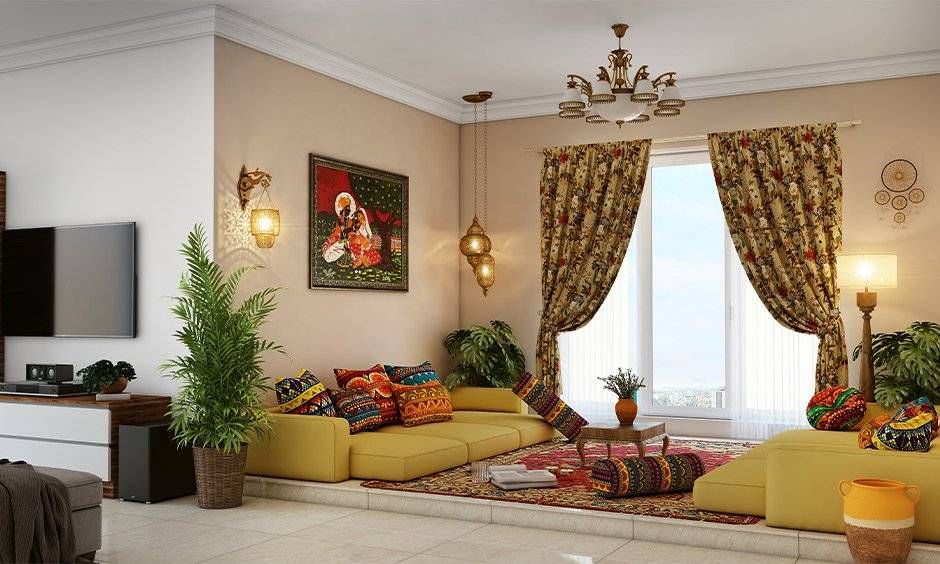
Contemporary Indian home decor increasingly blends clean architectural lines with heritage elements. Interior designers recommend ten accessible updates—including brushed brass hardware, block-printed textiles, repurposed antique furniture, and local pottery—to infuse modern living spaces with organic warmth, cultural depth, and sophisticated visual balance without overcrowding rooms.
Backed by contemporary interior design guidelines, homeowners are successfully fusing sleek modern layouts with traditional brass accents, handloom textiles, and vintage furniture.
Moving away from sterile, showroom-style layouts, contemporary interior design trends favor spaces infused with personal history and tactile warmth. According to lifestyle and architectural disclosures published in September 2026, urban homeowners are increasingly turning to heritage elements to soften minimalist backdrops.
By strategically introducing elements such as brushed brass, rich block-printed textiles, repurposed antique furniture, and localized handicrafts, residents can achieve a balanced Indo-contemporary aesthetic that feels both grounded and deeply sophisticated.
Evaluating Material Fusion, Antique Integration, and Textile Layering
Analyzing the mechanics of Indo-contemporary styling reveals that successful integration relies on restraint rather than complete thematic overhauls. According to spatial planning reports released in September 2026, core design strategies include:
Strategic Brass Placement: Utilizing brushed brass through light fixtures, cabinet pulls, trays, and small sculptural objects introduces a soft golden glow that contrasts effectively against neutral walls.
Textile Textures: Layering handloom cottons, raw silks, ikat cushions, or kantha throws adds depth and localized patterns without crowding minimalist rooms.
Statement Antique Furniture: Incorporating a single heritage piece—such as a carved wooden trunk, vintage side table, or heirloom cabinet—establishes a strong visual focal point.
Earthy Color Palettes: Grounding rooms with sand, oatmeal, terracotta, or muted teal tones bridges the gap between traditional palettes and modern architectural shells.
Why It Matters
The practical implications of incorporating traditional elements into modern living spaces enhance both aesthetic longevity and emotional comfort. For urban residents and apartment dwellers, utilizing small accent pieces prevents spatial crowding while preserving cultural roots. For property owners and design enthusiasts, balancing sustainable artisanal materials with clean-lined contemporary furniture creates timeless interiors that require minimal structural renovation.
Key Facts at a Glance
Core Aesthetic: Indo-contemporary balance of minimalist shells and heritage accents.
Key Metals: Brushed or aged brass preferred over mirror-finish chrome for a warm glow.
Textile Choices: Handloom dhurries, block prints, ikat weaves, and raw cotton.
Design Rule: Use heritage pieces selectively as statement accents rather than full thematic overhauls.
FAQ Section
How can I incorporate brass into a modern home without making it look dated?
Use brushed or antique-finish brass in small doses—such as cabinet handles, slim lamp frames, or decorative trays—paired with clean neutral walls and wood.
What are the best ways to use traditional Indian textiles in minimalist spaces?
Introduce handloom cushions, flat-weave dhurries, or subtle block-print throws to add tactile depth and color without overwhelming neutral furniture.
How do I mix old antique furniture with contemporary sofas?
Pair a single statement antique piece, like a vintage wooden trunk or carved side table, with sleek modern seating to create striking visual contrast.
Which color palettes work best for an Indo-contemporary home decor style?
Earthy and grounded tones like sand, warm teak gold, muted terracotta, oatmeal, and soft teal help bridge traditional warmth with modern design.
Where can homeowners find more design inspiration for heritage-infused interiors?
Verified style guides and spatial tips are published regularly through lifestyle publications like The Economic Times Home Decor Section and design platforms such as Architectural Digest.
Source: The Economic Times, Studio Matrx Style Guides, Ekaurr Design Portal, Vaaree Living Journals