Trinamool Congress faces a major political crisis as 19 MPs attempt to form a breakaway bloc. The rebels, led by Kakoli Ghosh Dastidar, are testing the limits of India’s anti-defection law, while party loyalists demand their resignation. The Speaker of the Lok Sabha will ultimately determine the legal validity of the split.
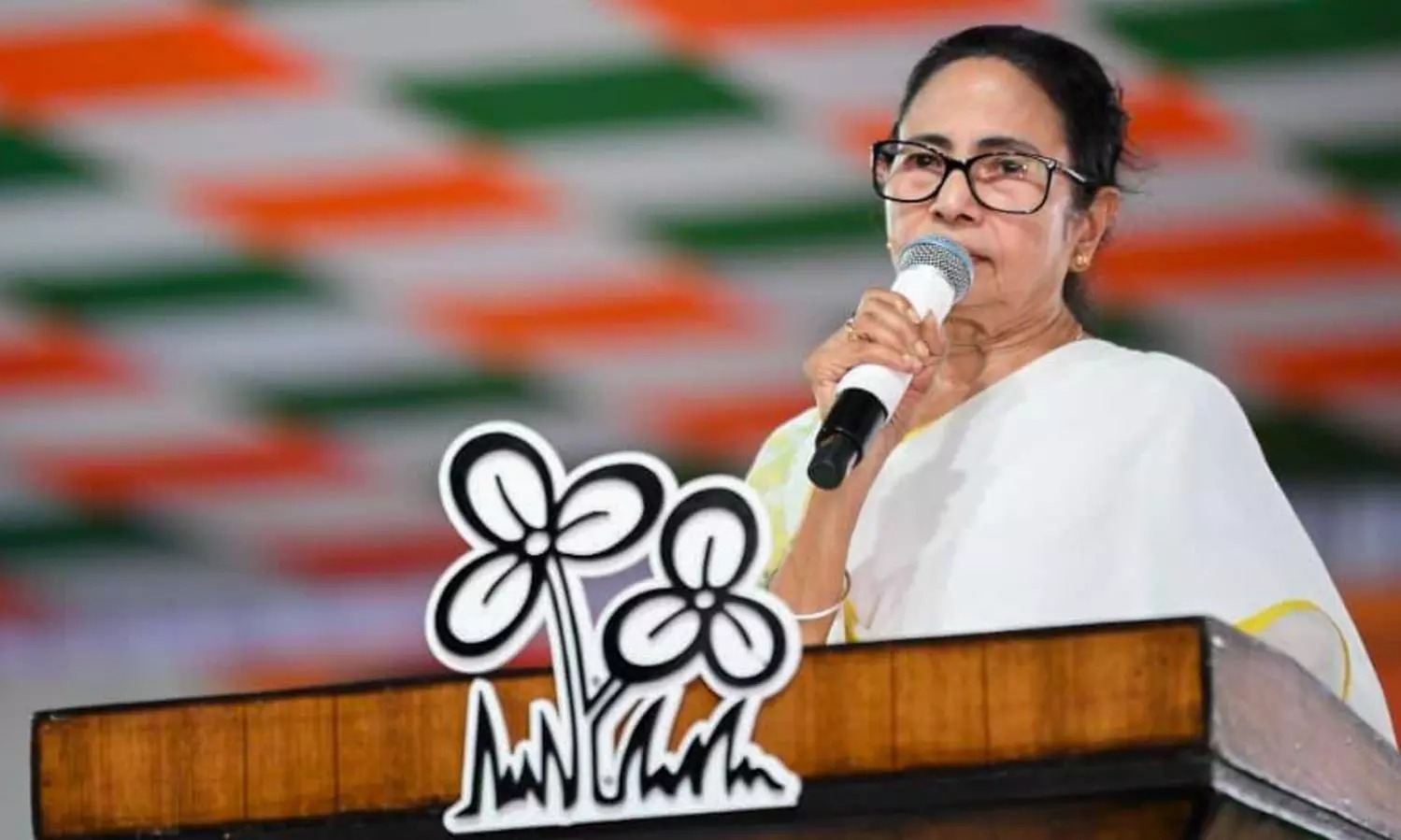
The All India Trinamool Congress (TMC) is currently grappling with a severe internal crisis after 19 of its Lok Sabha members, led by Barasat MP Kakoli Ghosh Dastidar, declared their intention to form a separate parliamentary bloc. The development, which came to light on June 8, 2026, marks one of the most significant challenges to Mamata Banerjee’s leadership in recent years and has ignited a heated debate over the constitutional validity of the rebel group's move under the Tenth Schedule of the Indian Constitution.
The dissident MPs, who have signaled their willingness to extend support to the Bharatiya Janata Party (BJP)-led National Democratic Alliance (NDA), claim they have secured the backing of two-thirds of the party’s parliamentary strength. However, loyalist leaders maintain that the move is an unethical attempt to subvert the mandate given by the voters of West Bengal.
The Anti-Defection Law: A High Legal Bar
At the heart of the standoff is the Tenth Schedule of the Constitution, commonly known as the anti-defection law. The law provides for the disqualification of a member of Parliament if they voluntarily give up their membership of a political party or vote in violation of the party whip.
The law contains a specific "merger" provision under Paragraph 4, which exempts members from disqualification if at least two-thirds of the members of a legislature party decide to merge with another party. The rebel camp, consisting of 19 members out of the party's 28 Lok Sabha MPs, argues that their numbers meet the two-thirds threshold required to avoid disqualification.
However, legal experts point out that the process is not merely numerical. Disqualification petitions are decided by the Speaker of the Lok Sabha, who acts as a quasi-judicial authority. Should the party leadership prove that the rebels did not follow internal party procedures or if the "merger" is not formally recognized by the Speaker, the MPs remain vulnerable to disqualification. Furthermore, the loyalist faction has questioned the authenticity of the documents supporting the rebellion and has demanded that the rebels resign from their seats to seek a fresh mandate, citing "political morality."
Internal Turmoil and Organizational Overhaul
The parliamentary rebellion follows a broader wave of dissent that began in early June 2026, when 58 TMC MLAs in the West Bengal Assembly moved to select a new Leader of the Opposition. In response to the growing instability, the TMC leadership announced an organizational overhaul on June 3, 2026, dissolving all party committees in West Bengal to conduct a "comprehensive exercise of introspection and performance review."
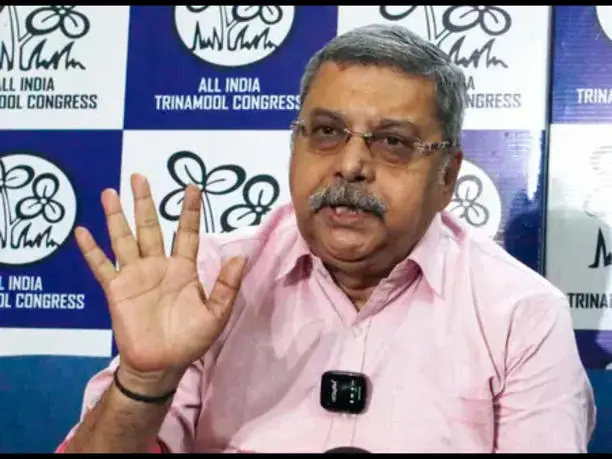
Party loyalists, led by Chief Whip Kalyan Banerjee, have launched a scathing counter-attack, accusing the rebels of maintaining clandestine links with the BJP. “Today their leader is Narendra Modi,” Kalyan Banerjee stated during a press conference in New Delhi on June 9. The loyalist faction has urged the rebels to resign rather than "creating a 'new' Trinamool" under the guise of an NDA-aligned bloc.
Why It Matters
For citizens and political observers, this crisis is more than an internal party dispute; it is a test of the parliamentary democratic process in India. If the rebel bloc is not granted recognition, the resulting disqualifications could lead to a series of by-elections in West Bengal, further destabilizing the state’s political landscape. For the investors and business community, the ongoing instability raises concerns about governance continuity in the region as the administration focuses on internal consolidation rather than policy implementation.
Key Facts at a Glance
Rebel Strength: 19 Lok Sabha MPs, led by Kakoli Ghosh Dastidar, have signaled a break from the party.
Legal Threshold: The Tenth Schedule (Anti-Defection Law) requires two-thirds of party members to support a merger to avoid disqualification.
Speaker’s Role: The Lok Sabha Speaker serves as the quasi-judicial authority who will decide the fate of the disqualification petitions.
Political Fallout: TMC loyalists have dismissed the move as an unethical power grab and are pushing for the rebels to resign their seats.
FAQ
Can the rebel TMC MPs avoid disqualification?
They can avoid disqualification only if they prove to the Lok Sabha Speaker that two-thirds of the parliamentary party has merged with another party, as per the Tenth Schedule.
Who decides whether an MP is disqualified?
The decision regarding disqualification is referred to the Speaker of the House, whose decision is final, subject to limited judicial review.
What happens if the rebels are disqualified?
If disqualified, the seats held by the rebel MPs will become vacant, necessitating by-elections to fill the vacancies.
Source: