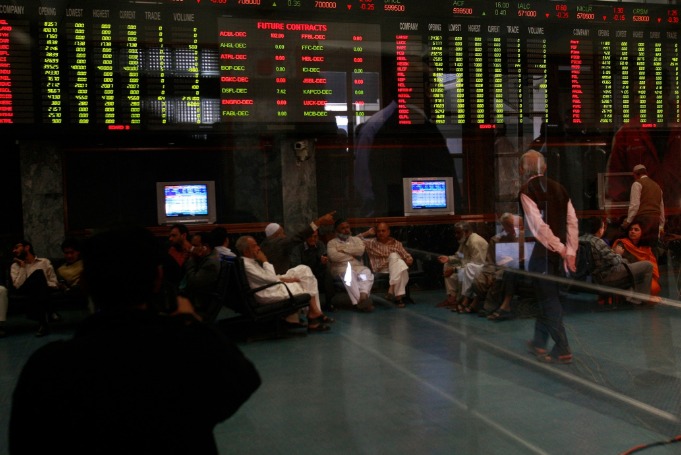
Despite broader Indian equity market gains, major defense stocks including Paras Defence, Apollo Micro, GRSE, and Data Patterns experienced a targeted correction on June 11, 2026. This localized decline follows significant historic rallies earlier in the week, reflecting routine profit-taking by investors despite robust multiyear order books and steady state-backed procurement pipelines.
MUMBAI — June 11, 2026 — Key Indian defence stocks recorded localized declines today as market participants moved to secure short-term profits. This divergence from the broader market performance occurred despite steady gains across the baseline National Stock Exchange (NSE) Nifty 50 and Bombay Stock Exchange (BSE) Sensex indices. Equities such as Paras Defence and Space Technologies, Apollo Micro Systems, Garden Reach Shipbuilders & Engineers (GRSE), and Data Patterns (India) faced persistent downward pressure, highlighting short-term valuation resistance after reaching substantial record highs earlier in the week.
Sectoral Realignment Follows Extended Historic Rallies
The minor correction in public and private domestic manufacturing entities comes immediately after a significant momentum cycle. On June 9, 2026, companies like Data Patterns and Paras Defence posted single-day intraday gains of up to 9 percent on the BSE, hitting lifetime milestones. Market data confirms that Data Patterns has climbed roughly 111 percent from its January calendar-year low of ₹2,131 per share. Concurrently, Paras Defence rallied more than 81 percent from its March baseline of ₹580 per share.
According to institutional brokerage reviews, the subsequent cooling-off period represents a natural consolidation phase rather than a deterioration of long-term fundamentals. While the Nifty India Defence index trimmed marginal points during today's session, the broader retail and institutional domestic capital flows remained firmly anchored within banking, infrastructure, and technology sectors, preventing a uniform across-the-board stock advance.
Long-Term Order Books Preserve Structural Visibility
Despite the immediate price fluctuations on active exchange desks, structural data published by major domestic defense enterprises confirms multiyear project execution stability. Financial disclosures from the final quarter of the 2025–26 fiscal year highlight that aggregate order pipelines across the sector have risen to approximately 4.6 times the baseline yearly revenues.
Data Patterns (India) Limited: Reported total order inflows of ₹1,121 crore for the previous fiscal cycle, marking a year-on-year expansion of 216 percent across strategic electronics, radar infrastructure, and avionics segments.
Garden Reach Shipbuilders & Engineers (GRSE): Retained an active project pipeline valued at approximately ₹15,300 crore, ensuring high manufacturing utilization for the subsequent two to three fiscal periods.
Paras Defence: Maintained single-source domestic positioning for foundational electromagnetic pulse (EMP) protection solutions alongside border defense technology collaborations with the Defence Research and Development Organisation (DRDO).
Official Sources Section
Regulatory filings uploaded directly to the National Stock Exchange of India (NSE) and the BSE Limited establish that underlying delivery timetables across public and private aerospace platforms remain structurally uninterrupted. Regional analyst briefs published by ICICI Securities note that while fiscal performance can vary quarterly due to the back-ended nature of defense logistical deliveries, the institutional outlook remains highly constructive due to accelerated state procurement pipelines.
Executive Market Comments
"According to officials and financial managers monitoring the mid-week capital distributions, current equity movements reflect localized profit realization routines," stated institutional equity desks in Mumbai. "With multi-bagger yields achieved over consecutive quarters, short-term adjustments remain routine, even as long-term strategic indigenisation benchmarks continue to trend upward under the national framework."
Why It Matters
For retail participants and commercial investors, the current variance between the defensive segments and standard indices highlights the necessity of tracking structural execution schedules over daily market price tickers. The ongoing policy emphasis on Atmanirbhar Bharat (self-reliance) and localized equipment manufacturing guarantees a continuous procurement pipeline. However, high trailing price-to-earnings ratios indicate that near-term security pricing remains highly sensitive to systemic capital relocations.
Key Facts at a Glance
Profit Securing Trend: Major defense manufacturing stocks recorded slight pullbacks following unprecedented lifetime record valuations earlier in June 2026.
Robust Financial Backlog: The total order visibility for prime sector entities continues to average 4.6 times their annual revenue.
Substantial Annual Growth: Prominent equities, including Data Patterns and Paras Defence, retain overall annual upward trajectories of 111 percent and 81 percent from their respective 2026 price baselines.
Policy Foundation Intact: State-backed initiatives, raw material customs duty exemptions for aviation MRO, and localized procurement programs continue to support factory operations.
Frequently Asked Questions
Why did defense stocks decline while the general stock market advanced today?
Market transitions often involve tactical rebalancing. After booking substantial profits from record-setting peaks earlier in the week, institutional and retail accounts shifted short-term liquidity out of highly appreciated defense electronics and engineering equities into alternative sectors.
Is the long-term growth outlook for Indian defense manufacturers changing?
No. Financial reports and regulatory disclosures indicate that fundamental metrics—including order book volumes, state-backed capital allocations, and indigenisation programs—remain fully secure with visible multiyear timelines.
What are the main elements supporting these aerospace and engineering enterprises?
Key operational drivers include steady state-backed procurement budgets, structural policy mandates preventing the import of specific line-replaceable components, expanding international export pathways, and consistent technological self-reliance programs.
Source: National Stock Exchange of India (NSE) Corporate Filings, BSE Limited Investor Disclosures, ICICI Securities Institutional Sector Report 2026