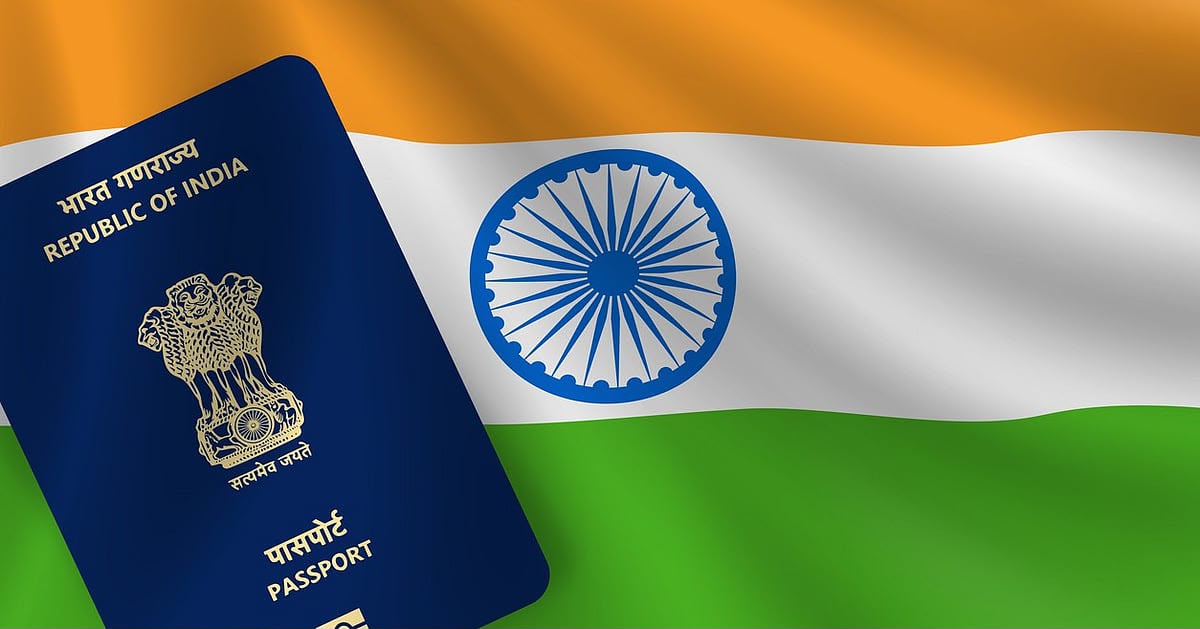
The Ministry of External Affairs has clarified that an Indian passport is a regulatory tool used to monitor and manage the departure of citizens. Under the Passports Act, 1967, the government retains the authority to restrict travel for individuals facing legal proceedings or national security concerns, limiting exit rights.
The Ministry of External Affairs has clarified that an Indian passport serves as a regulatory instrument for foreign travel, following recent judicial discussions on exit rights.
NEW DELHI — The Ministry of External Affairs (MEA) has issued a formal clarification regarding the nature of the Indian passport, defining it not merely as a travel document but as a regulatory tool used to monitor and manage the departure of Indian citizens from the country. The statement comes amidst a series of ongoing legal debates regarding the fundamental right to travel versus the state’s authority to restrict exits in cases involving pending litigation or national security.
In a communication addressed to relevant stakeholders and law enforcement agencies, the MEA emphasized that the issuance and revocation of passports are governed by the Passports Act of 1967. According to ministry officials, the government maintains the prerogative to regulate departures to ensure that individuals under investigation or those with significant legal obligations remain available to the judicial process.
The Legal Framework of Departure Regulation
Under the prevailing legal framework, a passport is the property of the Government of India and can be impounded or revoked if the holder’s departure is deemed detrimental to public interest, sovereignty, or the integrity of India. The MEA’s latest stance reinforces the government's position that the right to travel abroad is not absolute and is subject to "reasonable restrictions" as mandated by law.
The Ministry’s clarification follows a recent surge in petitions filed in various High Courts across the country, where citizens have challenged the denial of passport renewals or the imposition of "lookout circulars" (LOCs) that prevent them from leaving the country. Courts have generally held that while the right to travel is a facet of personal liberty under Article 21 of the Constitution, it must be balanced against the necessity of ensuring that individuals do not evade legal proceedings, especially in high-profile economic or criminal cases.
Impact on Citizens and Stakeholders
This clarification has significant implications for Indian citizens, particularly those with pending court cases or unresolved financial disputes. Travelers are increasingly finding themselves subject to more stringent scrutiny at exit points, as agencies synchronize databases to ensure that passport data is cross-referenced with judicial orders in real-time.
For businesses and investors, the regulatory nature of the passport means that travel flexibility is contingent upon maintaining a "clean" legal status. Financial institutions and investigative agencies, such as the Enforcement Directorate (ED) and the Central Bureau of Investigation (CBI), increasingly rely on the passport as a primary leverage point to prevent the flight of individuals accused of financial misconduct or corporate fraud.
Official Sources
Ministry of External Affairs (MEA): The primary authority responsible for the issuance and regulation of passports under the Passports Act, 1967.
Passports Act, 1967: The governing legislation that outlines the powers of the government to regulate the exit and entry of citizens.
Judicial Filings: Records from recent High Court proceedings across India regarding the right to travel versus state restrictions.
Quote Section
"According to officials," the passport serves as a critical regulatory mechanism that allows the state to monitor the departure of individuals who have specific legal liabilities. The government maintains that restricting movement in such cases is a necessary measure to uphold the rule of law and prevent the evasion of justice.
Why It Matters
The definition of a passport as a regulatory document underscores the tension between individual liberty and the state's interest in judicial enforcement. As India continues to crack down on economic offenders and fugitives, the passport is increasingly viewed by the government as a vital tool for ensuring accountability, directly impacting how and when citizens can move across international borders.
Key Facts at a Glance
Regulatory Instrument: The passport is officially defined as a government document used to regulate the departure of citizens.
Governing Legislation: All regulatory actions are conducted under the provisions of the Passports Act, 1967.
State Authority: The government retains the power to impound or deny passports to individuals facing legal investigations or court orders.
Legal Precedent: Courts consistently affirm that the right to travel is subject to reasonable restrictions in the interest of public safety and justice.
FAQ
Can the government deny a passport to any citizen?
The government can deny or revoke a passport under specific conditions outlined in the Passports Act, primarily if the applicant is facing criminal charges or has outstanding judicial obligations.
Is the right to travel an absolute right?
No, while the right to travel is part of personal liberty, it is subject to reasonable restrictions, including those imposed by courts or statutory law.
What should I do if my passport is impounded?
If a passport is impounded due to legal reasons, the affected individual must typically seek relief through the appropriate judicial channels, such as a High Court, to challenge the restriction or request temporary permission to travel.
Source: Ministry of External Affairs, The Hindu, India Code