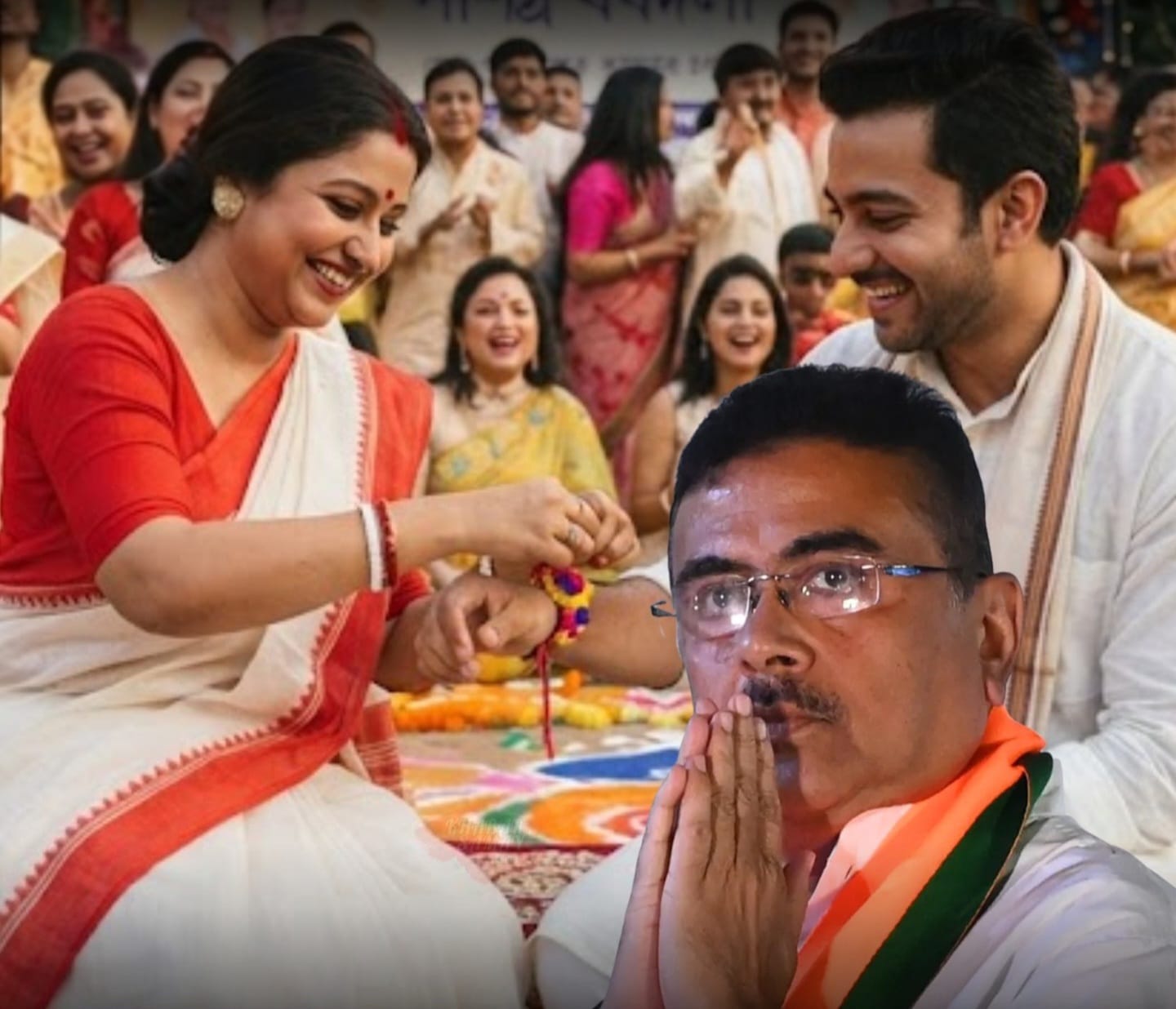
The West Bengal government has directed all district administrations and municipal bodies to organize statewide Raksha Bandhan celebrations on August 28, 2026. Highlighting a tricolour theme, the events will feature local folk artists, Rabindra Sangeet, and community participation across all Gram Panchayats and urban wards.
KOLKATA — The West Bengal government has issued an administrative advisory directing local bodies across the state to organize official Raksha Bandhan celebrations on August 28, 2026. Coordinated jointly by the Information and Cultural Affairs Department and the Youth Services and Sports Department, the statewide initiative aims to foster community harmony and highlight regional cultural heritage across both rural and urban areas.
The official directive, issued by Dr. Saumitra Mohan, Secretary of the Information and Cultural Affairs Department, instructs the Kolkata Municipal Corporation (KMC) commissioner, district magistrates, and sub-divisional officers to execute community-level events. The state-backed celebrations focus on public participation, involving local self-help groups, youth organizations, and cultural groups.
Tricolour Theme and Cultural Program Blueprint
A primary highlight of the 2026 state celebrations will be the distribution of special "Tricolour Rakhis" designed in the shades of the national flag. The Youth Services and Sports Department has been tasked with delivering these specialized bands directly to district administration hubs for local distribution.
The administrative framework mandates organized cultural assemblies across every administrative tier:
Gram Panchayats and Blocks: Events organized at every Gram Panchayat, Panchayat Samiti, and block headquarters level.
Urban Civic Bodies: Celebrations spanning all Kolkata Municipal Corporation wards and at least 4 to 5 selected wards across all other municipal bodies statewide.
Cultural Programs: Dedicated performances featuring Rabindra Sangeet, Rabindra Nritya, along with traditional Baul music and local folk art traditions.
Community Outreach: Direct involvement of local Self-Help Groups (SHGs), women's associations, and sports clubs.
The advisory emphasizes strict adherence to state financial regulations for event funding, requiring all district officials to submit post-event Action Taken Reports (ATRs) complete with photographic documentation to the state secretariat at Nabanna.
Impact on Citizens, Local Artists, and Self-Help Groups
The decision to decentralize celebrations down to the ward and panchayat level impacts local communities and cultural performers across West Bengal:
For local folk artists, Baul singers, and cultural troupes, the state-sponsored events provide formal performance venues and government support. For women-led Self-Help Groups (SHGs) involved in community logistics and handicraft production, the initiative offers civic participation opportunities during the festive period. For residents and citizens, the synchronized ward-level gatherings offer accessible spaces for neighborhood integration and social cohesion.
Official Sources Section
Official guidelines regarding event execution and administrative logistics were outlined by state government releases:
Official instructions issued by Dr. Saumitra Mohan, Secretary of the Information and Cultural Affairs Department, published via the West Bengal State Portal
Operational guidelines for funding and distribution managed by the Department of Youth Services and Sports
Official Quotes
According to official notices issued by the Information and Cultural Affairs Department:
"To ensure broad public participation across rural and urban regions, celebrations will be conducted at every Gram Panchayat, Panchayat Samiti, and Block level, as well as selected municipal wards... The Youth Services and Sports Department is arranging the immediate dispatch of tricolour rakhis to all district headquarters."
State administrative guidelines further directed that:
"All district administrations and local civic authorities must strictly adhere to state financial rules when utilizing allocated funds and submit detailed Action Taken Reports along with event photographs to Nabanna following the program."
Why It Matters
By institutionalizing festive observances through ward-level and block-level civic networks, the state government integrates public cultural heritage with community outreach. The emphasis on national tricolour motifs alongside traditional Bengali folk art creates a structured venue for cultural preservation, civic engagement, and local community bonding across all administrative districts.
Key Facts at a Glance
Event Date: August 28, 2026.
Core Motif: Distribution of flag-themed Tricolour Rakhis.
Organizing Bodies: Information & Cultural Affairs Department and Youth Services & Sports Department.
Coverage: All Gram Panchayats, Block offices, and municipal wards across West Bengal.
Cultural Highlights: Live Rabindra Sangeet, Rabindra Nritya, and traditional Baul folk performances.
Frequently Asked Questions
When will the West Bengal government organize the Raksha Bandhan events?
The statewide official Raksha Bandhan celebrations will take place on August 28, 2026.
What is the special feature of the 2026 Raksha Bandhan celebrations in West Bengal?
The 2026 celebrations emphasize a tricolour theme, featuring flag-themed "Tricolour Rakhis" distributed across all districts by the Youth Services and Sports Department.
Where will the state-sponsored Raksha Bandhan events be held?
Events will be hosted in all Gram Panchayats, Panchayat Samitis, block headquarters, all Kolkata Municipal Corporation wards, and selected municipal wards across the state.
Source: Official notifications from the Information and Cultural Affairs Department published via the West Bengal State Portal and updates from the Department of Youth Services and Sports.