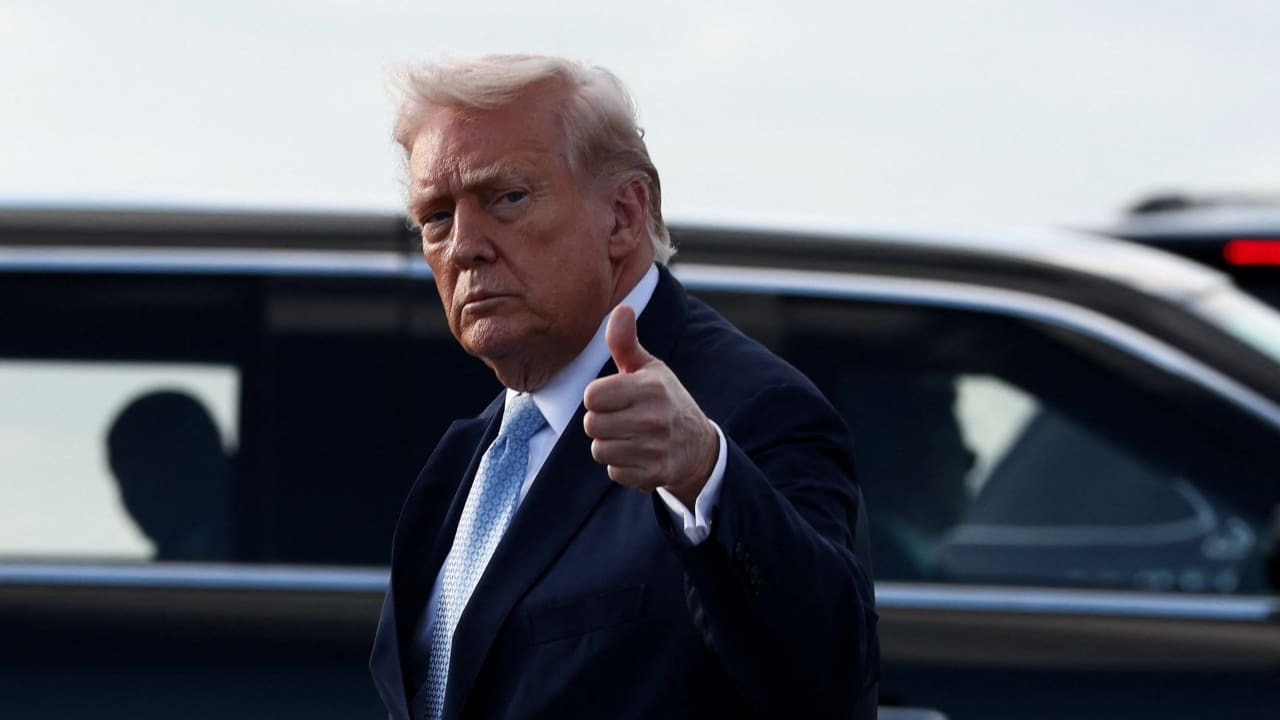
In a significant turn of events, President Donald Trump has postponed planned military strikes on Iranian power plants, citing strategic reassessment and diplomatic considerations. The decision comes amid heightened tensions in the Middle East, raising questions about U.S. foreign policy direction and regional stability.
The announcement marks a pause in escalating military action, with Washington signaling caution while Tehran continues to challenge American influence in the region. Analysts suggest the move reflects both domestic and international pressures, as energy security and geopolitical balance remain at stake.
Strategic Pause In Military Action
President Trump’s decision to delay strikes on Iranian power facilities underscores a calculated approach. While military planners had reportedly finalized operational details, the administration opted to reassess timing and potential fallout. This pause highlights the complexity of targeting critical infrastructure, which could have far-reaching humanitarian and economic consequences.
Diplomatic Channels Remain Open
Officials emphasized that diplomatic avenues are still being explored. The postponement may serve as a signal to allies and adversaries alike that Washington is willing to balance military readiness with negotiation. Regional powers, including Saudi Arabia and Israel, are closely monitoring developments, while European nations have urged restraint to avoid destabilizing energy markets.
Impact On Global Energy And Security
Iran’s power plants are vital to its domestic economy and regional influence. Any strike would not only cripple infrastructure but also risk retaliatory measures affecting oil exports and shipping routes in the Strait of Hormuz. Global energy markets remain sensitive, with traders bracing for volatility should tensions escalate further.
Key Highlights
-
Trump postpones planned military strikes on Iranian power plants
-
Decision reflects strategic reassessment and diplomatic considerations
-
Regional allies and rivals closely watch U.S. actions
-
Potential impact on global energy markets and Middle East stability
-
Diplomatic channels remain open despite heightened tensions
Outlook And Implications
The postponement signals a cautious U.S. approach, balancing military strength with diplomatic maneuvering. While the risk of confrontation remains, the delay offers a window for renewed dialogue. For investors, policymakers, and global observers, the situation underscores the fragile intersection of geopolitics, energy security, and international diplomacy.
Sources: Reuters, Associated Press, Al Jazeera, Bloomberg