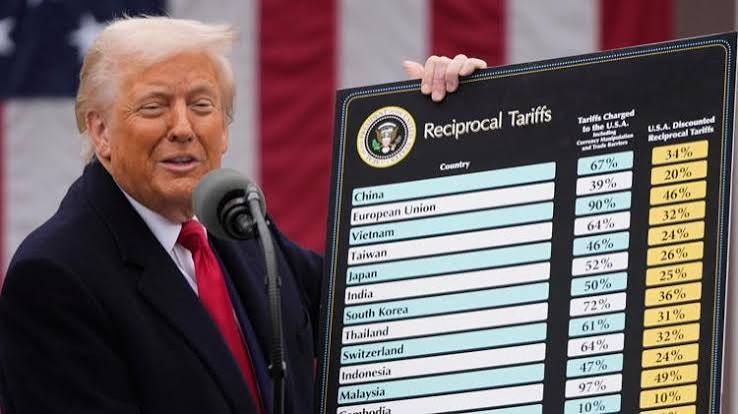
President Donald Trump has signed three proclamations to impose 50% tariffs on most Canadian goods, effective August 19, 2026. The move, based on Section 338 of the 1930 Tariff Act, is a response to alleged Canadian trade discrimination regarding autos, alcohol, and dairy, significantly escalating economic tensions between the two nations.
WASHINGTON — President Donald Trump signed three proclamations on Monday, July 20, 2026, to impose 50% tariffs on a wide range of Canadian goods. The administration stated that the move is a defensive measure intended to hold Canada accountable for what it describes as "unreasonable, unequal, and discriminatory" treatment of U.S. commerce.
The tariffs, which are scheduled to take effect in 30 days, represent a significant escalation in trade tensions between the two neighbors. The White House asserted that Canada has unfairly discriminated against American motor vehicles, alcoholic beverages, and dairy products, particularly through retaliatory actions taken following previous U.S. tariff measures.
Trade Measures Under Section 338
The new tariffs are being implemented under Section 338 of the Tariff Act of 1930, a rarely used statute that grants the president authority to impose duties of up to 50% on goods from any nation found to be discriminating against U.S. commerce.
According to administration officials, the proclamations cover a diverse list of Canadian imports, including wine, hockey equipment, cement, furniture, paper, and clothing. Certain categories—specifically energy products, critical minerals, potash, and fish—remain exempt from these new levies. Furthermore, goods already subject to tariffs under Section 232, such as steel and aluminum, are not affected by this specific action.
The White House specified that these tariffs will apply to covered goods regardless of their status under the U.S.-Mexico-Canada Agreement (USMCA).
Economic and Diplomatic Impact
The announcement has sparked immediate concern among business leaders and policymakers. Candace Laing, CEO of the Canadian Chamber of Commerce, characterized the administration's move as a "regrettable escalation" but urged both nations to utilize the 30-day window before implementation to engage in meaningful negotiations.
While a senior administration official stated that the U.S. is not seeking a trade war and remains open to talks, the move has introduced significant uncertainty into the global economic landscape. Analysts warn that the tariffs could lead to higher inflation and further strain the bilateral relationship, which has been central to North American economic stability for decades.
Official Sources
The White House: Fact Sheet and Proclamations regarding the imposition of additional tariffs on Canada (July 20, 2026).
U.S. Trade Representative (USTR): Official statement on trade reciprocity and rebalancing.
Quote Section
"President Trump is delivering on his promise to secure better outcomes for American workers, farmers, and businesses by using tariffs to restore reciprocity to trade and strengthen our national security," according to a White House fact sheet.
Why It Matters
For consumers and businesses, the imposition of 50% tariffs on a broad array of Canadian goods threatens to increase costs and disrupt established supply chains. The move signals a shift toward more aggressive protectionist policies, challenging the framework of existing regional trade agreements and testing the diplomatic ties between the United States and its largest trading partner.
Key Facts at a Glance
Tariff Rate: 50% on most Canadian goods covered by the new proclamations.
Effective Date: August 19, 2026 (30 days after signing).
Legal Basis: Section 338 of the Tariff Act of 1930.
Exemptions: Energy products, critical minerals, potash, fish, and items already facing Section 232 tariffs.
FAQ
What prompted these new tariffs?
The Trump administration cited Canada's alleged discriminatory treatment of American automobiles, alcohol, and dairy products, as well as retaliatory actions taken by Canada in response to previous U.S. tariffs.
Are all Canadian goods affected?
No. The tariffs exempt energy products, critical minerals, potash, fish, and goods already subject to existing Section 232 national security tariffs.
Can these tariffs be avoided?
The administration has indicated it is open to negotiations during the 30-day window before the tariffs officially take effect on August 19.
Source: The White House, PBS NewsHour, The Guardian, Global News