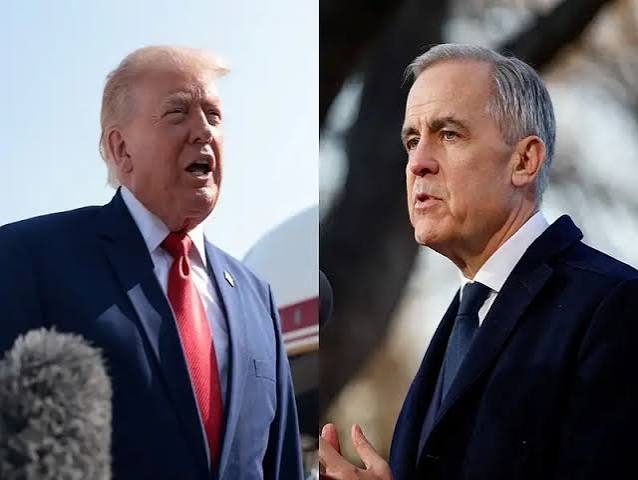
U.S. President Donald Trump has threatened to raise tariffs on all Canadian cars, trucks, auto parts, and steel to 50% starting January 1, 2027. The move escalates a severe trade dispute following the breakdown of bilateral negotiations, prompting potential retaliatory measures from Ottawa.
WASHINGTON — United States President Donald Trump announced on Monday, August 24, 2026, that import tariffs on all cars, trucks, automotive parts, and steel originating from Canada will be increased to 50% starting January 1, 2027.
The drastic policy escalation follows the sudden breakdown of bilateral trade talks over the weekend. Negotiations collapsed after both nations failed to bridge deep policy divides regarding domestic content rules, market access, and industrial exemptions, prompting immediate cross-border trade tensions.
Breakdown of Trade Talks and Retaliatory Measures
The impasse was reached late Friday following a week of deteriorating cross-border discussions. Canadian Prime Minister Mark Carney publicly announced that negotiations had failed, stating that Washington demanded concessions that would permanently disadvantage Canadian manufacturing. In response to impending U.S. levies, Canadian officials confirmed plans to implement dollar-for-dollar retaliatory tariffs on American goods.
President Trump defended the aggressive trade stance in a public statement, criticizing Ottawa's historical trade deficits and urging manufacturers to relocate facilities southward.
According to official statements, White House disclosures, and international news reports:
Tariff Rate and Scope: Duties of 50% will apply to all cars, trucks, auto parts, and steel.
Effective Date: Scheduled to take effect on January 1, 2027.
Core Ultimatum: President Trump stated via social media: "Build in the U.S. and there are ZERO TARIFFS. Canada will be treated like a State no longer!"
Retaliation Plans: The Canadian government has prepared countermeasures targeting select U.S. exports.
Official Sources Section
Quote Section
According to statements released by U.S. President Donald Trump regarding the trade dispute and manufacturing incentives:
"On Trade, and in other ways, also, they are among the worst Nations in the World to deal with. They feel entitled, and yet, WE DON'T NEED CANADA, THEY NEED US!"
Why It Matters
For North American automotive manufacturers, suppliers, and consumers, an aggressive 50% tariff structure threatens to severely disrupt integrated supply chains that have operated seamlessly across the U.S.–Canada border for decades. The policy shift pressures automakers to restructure production footprints while risking higher vehicle prices for retail buyers.
Key Facts at a Glance
Key Official: U.S. President Donald Trump.
Target Sectors: Passenger cars, commercial trucks, automotive components, and steel.
Proposed Levy: 50 percent.
Enforcement Timeline: January 1, 2027.
FAQ Section
Why did President Trump announce a 50% tariff on Canadian vehicles?
The tariff hike was announced after bilateral trade negotiations between the U.S. and Canada collapsed over structural disagreements.
What products are included in the new tariff announcement?
The proposed 50% duties target all cars, commercial trucks, automotive parts, and steel.
When are these tariffs scheduled to take effect?
According to the administration's announcement, the new measures are slated to begin on January 1, 2027.
Where can stakeholders review official trade policy documents?
Official notices and regulatory updates are published through the Office of the United States Trade Representative Portal.
Source: The White House, USTR, Government of Canada, Strait Times