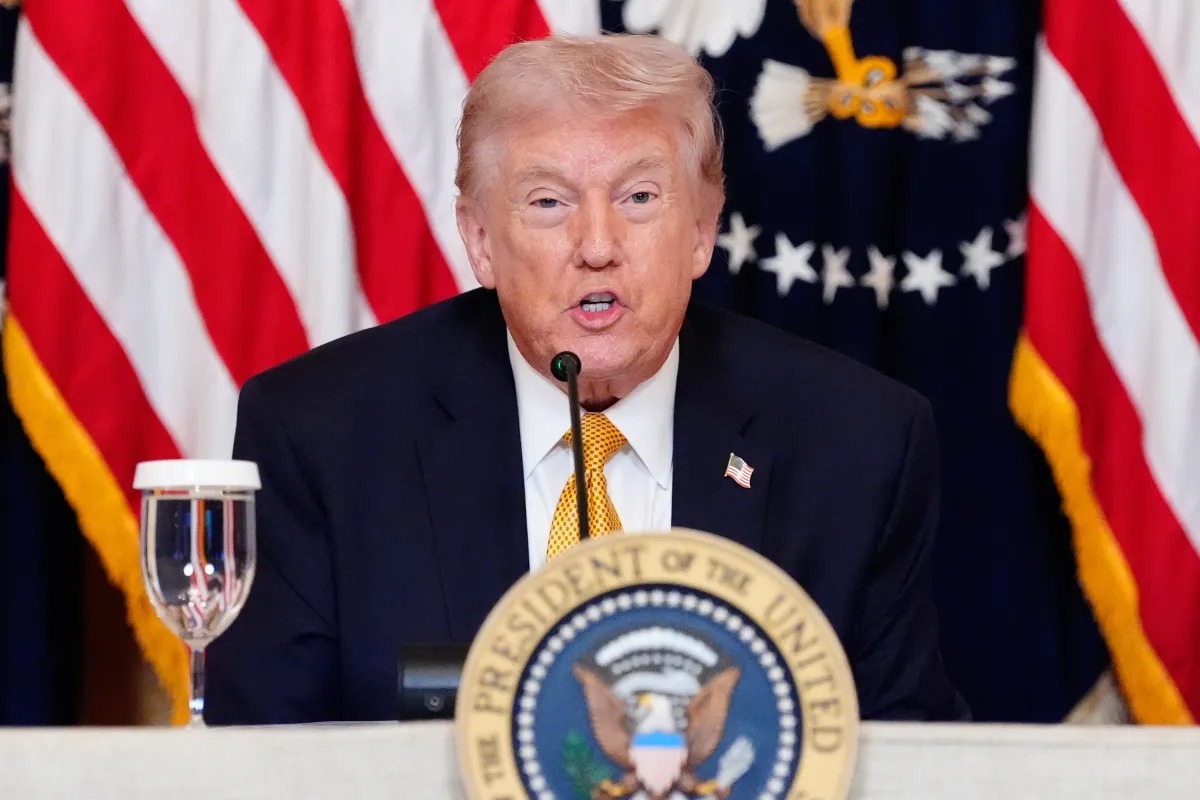
At the NATO summit in Ankara, President Trump threatened a total trade cutoff with Spain, citing their refusal to support U.S. operations in Iran. The President also renewed his controversial push to acquire Greenland, deepening tensions with European allies over defense spending and the future of the military alliance.
Amid deepening rifts at the NATO summit in Ankara, President Trump has targeted Spain and renewed his controversial claims over Greenland, signaling a potential shift in U.S. foreign and economic policy.
ANKARA, Turkey — President Donald Trump issued a stern warning to Spain on Tuesday, threatening to sever all trade relations with the nation after Spanish leadership declined to support U.S. military operations in Iran. The ultimatum, delivered as leaders gathered for the NATO summit in Turkey, marks a significant escalation in the ongoing friction between Washington and its European allies.
The President described Spain as a "terrible partner" within the North Atlantic Treaty Organization (NATO) and directed Treasury Secretary Scott Bessent to prepare a strategy for a total trade cutoff. Trump’s remarks follow a series of diplomatic clashes over defense spending and regional security mandates.
NATO Summit Tensions and Trade Threats
The diplomatic environment in Ankara has been defined by high-level disagreements. President Trump reiterated his long-standing grievances regarding NATO, arguing that the United States continues to be treated "unfairly" and pays a disproportionate share of the alliance’s defense costs.
The threat to Spain specifically stems from the Spanish government’s refusal to grant the U.S. military access to its domestic bases for operations related to the conflict in Iran. President Trump, labeling Spain’s non-cooperation as unacceptable, stated, "I want no business with them."
Economists and trade analysts suggest that a total severance of trade ties between the U.S. and an EU member state would have profound implications for global markets and the integrity of the trans-Atlantic economic bloc.
Renewed Demands Over Greenland
Parallel to the dispute with Spain, President Trump revived his push for the United States to secure control of Greenland. The Arctic island, a self-governing territory within the Kingdom of Denmark, has been a focal point of Trump's security strategy throughout his second term.
"Greenland is a big problem for us," Trump told reporters, reiterating his claim that the island’s current administration—led by Denmark—is insufficient to defend the territory from foreign interests. Trump has previously suggested that the island is vital to U.S. national security and has implied that the current NATO structure prevents him from addressing what he terms a strategic vulnerability.
Official Stance and Diplomatic Impact
According to officials present at the summit, the administration’s focus remains on shifting the burden of regional defense to European partners. The President’s rhetoric has placed significant pressure on other NATO leaders, many of whom are struggling to balance their own domestic mandates with the demands coming from the White House.
Organizers stated that the summit, hosted by Turkish President Recep Tayyip Erdogan, was intended to focus on strengthening the alliance; however, the proceedings have been largely overshadowed by the President's public rebukes of key allies.
Why It Matters
For businesses and investors, the threat of a trade embargo against a major European economy creates a high level of uncertainty. European leadership has indicated they are prepared to safeguard their interests through common trade policies, but a collapse in U.S.-Spain relations would likely disrupt supply chains and force multinational corporations to re-evaluate their exposure to transatlantic trade risks.
Key Facts at a Glance
Trade Ultimatum: President Trump has directed Treasury Secretary Scott Bessent to explore cutting off all trade with Spain.
Diplomatic Rift: The threat follows Spain’s refusal to allow the U.S. military to use its bases for operations in Iran.
Greenland Strategy: President Trump has reasserted his intent to gain control of Greenland, citing national security concerns.
NATO Concerns: The President continues to argue that the U.S. bears a disproportionate financial burden within the NATO alliance.
Frequently Asked Questions
1. Is a full trade cutoff between the U.S. and Spain legally feasible?
Experts note that such a move would face significant legal hurdles, including existing World Trade Organization rules and the EU-U.S. trade agreements.
2. Why is Spain being targeted?
The administration has cited Spain’s refusal to host U.S. military assets for operations against Iran as a primary reason for the shift in diplomatic and economic posture.
3. What is the status of Greenland?
Greenland remains a self-governing part of the Kingdom of Denmark. Despite repeated interest from the Trump administration, both Denmark and Greenland officials have consistently maintained that the territory is not for sale.
4. How does this impact NATO?
The disputes reflect a broader trend of friction within the alliance, with the U.S. pressing members to increase defense spending and align more closely with U.S. strategic objectives in the Middle East and the Arctic.
Source: U.S. Department of the Treasury, NATO Official Press Releases, White House Briefing Room.