In a pointed critique that has energized Maharashtra’s political discourse, Shiv Sena (UBT) chief Uddhav Thackeray has fiercely questioned the credibility of upcoming local body elections in the state, following the Election Commission’s announcement that Voter Verifiable Paper Audit...
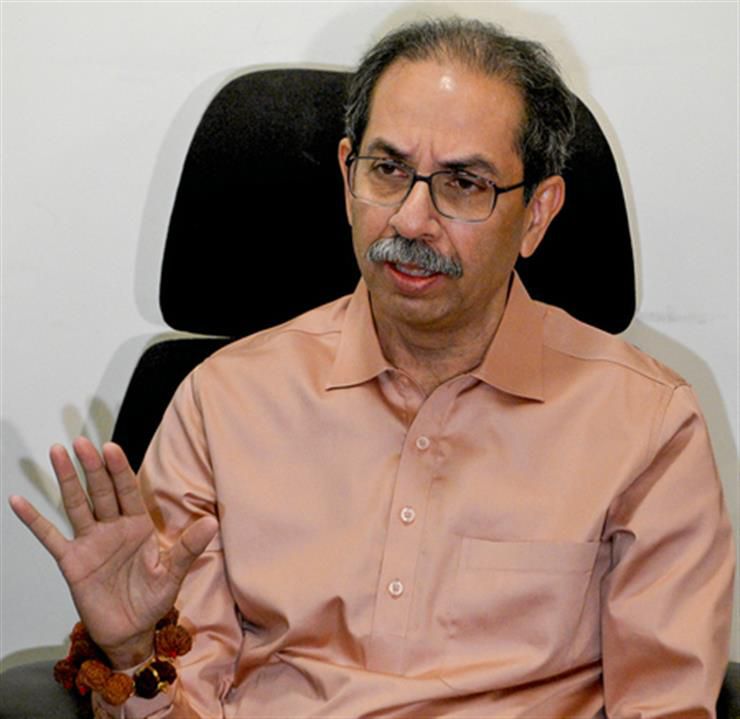
In a pointed critique that has energized Maharashtra’s political discourse, Shiv Sena (UBT) chief Uddhav Thackeray has fiercely questioned the credibility of upcoming local body elections in the state, following the Election Commission’s announcement that Voter Verifiable Paper Audit Trail (VVPAT) machines would not be used alongside Electronic Voting Machines (EVMs). Thackeray’s remarks, delivered at a press conference on August 7, 2025, amplify wider concerns surrounding the transparency of India’s electoral process and offer insight into the mounting friction between opposition parties and the ruling establishment in the run-up to crucial civic polls.
Key Highlights: Uddhav Thackeray’s Critique of Election Procedure
Uddhav Thackeray demanded clarity from the State Election Commission, asserting that VVPATs were specifically introduced to allay public doubts about the integrity of EVMs.
He rhetorically asked why elections should be conducted at all if verifiable voter trails are not provided, suggesting the move undermines voter trust and democratic transparency.
Thackeray’s statement echoes previous opposition concerns about the authenticity of election outcomes when only EVMs are in use without the additional auditability of VVPAT slips.
Background: The VVPAT Debate and Local Body Polls
The controversy was triggered when State Election Commissioner Dinesh Waghmare declared that VVPATs would not be used in Maharashtra’s imminent local and civic body elections, citing concerns over possible delays in polling.
Major municipal corporations including Mumbai, Pune, Nagpur, and Nashik are set for polls, which have been postponed for over three years and are now being held on the Supreme Court’s directives.
Critics within Shiv Sena (UBT) and the party's editorial mouthpiece Saamana called the Elections Commission’s rationale suspicious, and asserted that if VVPATs are unavailable, traditional ballot papers should be considered instead.
Arguments and Allegations
Thackeray and his party allege the use of EVMs without VVPAT enhances the risk of electoral manipulation, and reference past accusations of assembly poll rigging in other states such as Madhya Pradesh.
They raise doubts over the transparency of official voter lists, with Saamana claiming unexplained last-minute surges in voter numbers benefited the ruling Bharatiya Janata Party (BJP) in previous elections.
The party has repeatedly argued that the persistence of non-elected administrators running municipal corporations for years is antithetical to democracy, and that the upcoming polls—especially in Mumbai—hold heightened significance.
Response from Election Authorities
The State Election Commission explained its decision not to use VVPATs by citing the time-consuming nature of their operation, implying that their use could cause polling delays.
Despite this, the move has prompted strong backlash from opposition parties, demanding reconsideration or a reversion to ballot paper voting if transparency tools like VVPAT cannot be deployed.
Political and Social Implications
The issue has refocused attention on the mechanical and procedural aspects of India’s elections, especially the persistent debate around EVM trustworthiness and demands for added checks and balances.
Thackeray’s challenge is being positioned as part of a broader opposition narrative that criticizes the government’s management of democratic institutions and electoral fairness, inextricably linked to the bruising contests for local power in urban Maharashtra.
The tension comes at a time when alliances between the Shiv Sena (UBT), the Congress-led INDIA bloc, and possible collaborations with Maharashtra Navnirman Sena (MNS) are a focal point as political strategies are recalibrated ahead of the polls.
Looking Ahead
Civic body polls in Maharashtra, especially in Mumbai, Pune, Nagpur, and Nashik, are now being watched as a barometer for public confidence in electoral systems.
The call for either VVPAT deployment or a return to paper ballots may set a precedent for how electoral transparency is negotiated in future municipal and state-level contests.
Uddhav Thackeray’s intervention is expected to fuel both legal petitions and public advocacy seeking more robust election monitoring and verifiability.
Conclusion
By questioning the very necessity of holding elections without VVPATs, Uddhav Thackeray has spotlighted the deepening anxieties about electoral mechanization and democratic accountability. As opposition parties escalate demands for transparent and fair elections, the debate over VVPATs is poised to shape the contours of both the local body polls and India’s evolving democratic ethos.
Sources: Free Press Journal, Hindustan Times, Punjab News ExpressIn a pointed critique that has energized Maharashtra’s political discourse, Shiv Sena (UBT) chief Uddhav Thackeray has fiercely questioned the credibility of upcoming local body elections in the state, following the Election Commission’s announcement that Voter Verifiable Paper Audit Trail (VVPAT) machines would not be used alongside Electronic Voting Machines (EVMs). Thackeray’s remarks, delivered at a press conference on August 7, 2025, amplify wider concerns surrounding the transparency of India’s electoral process and offer insight into the mounting friction between opposition parties and the ruling establishment in the run-up to crucial civic polls.
Key Highlights: Uddhav Thackeray’s Critique of Election Procedure
Uddhav Thackeray demanded clarity from the State Election Commission, asserting that VVPATs were specifically introduced to allay public doubts about the integrity of EVMs.
He rhetorically asked why elections should be conducted at all if verifiable voter trails are not provided, suggesting the move undermines voter trust and democratic transparency.
Thackeray’s statement echoes previous opposition concerns about the authenticity of election outcomes when only EVMs are in use without the additional auditability of VVPAT slips.
Background: The VVPAT Debate and Local Body Polls
The controversy was triggered when State Election Commissioner Dinesh Waghmare declared that VVPATs would not be used in Maharashtra’s imminent local and civic body elections, citing concerns over possible delays in polling.
Major municipal corporations including Mumbai, Pune, Nagpur, and Nashik are set for polls, which have been postponed for over three years and are now being held on the Supreme Court’s directives.
Critics within Shiv Sena (UBT) and the party's editorial mouthpiece Saamana called the Elections Commission’s rationale suspicious, and asserted that if VVPATs are unavailable, traditional ballot papers should be considered instead.
Arguments and Allegations
Thackeray and his party allege the use of EVMs without VVPAT enhances the risk of electoral manipulation, and reference past accusations of assembly poll rigging in other states such as Madhya Pradesh.
They raise doubts over the transparency of official voter lists, with Saamana claiming unexplained last-minute surges in voter numbers benefited the ruling Bharatiya Janata Party (BJP) in previous elections.
The party has repeatedly argued that the persistence of non-elected administrators running municipal corporations for years is antithetical to democracy, and that the upcoming polls—especially in Mumbai—hold heightened significance.
Response from Election Authorities
The State Election Commission explained its decision not to use VVPATs by citing the time-consuming nature of their operation, implying that their use could cause polling delays.
Despite this, the move has prompted strong backlash from opposition parties, demanding reconsideration or a reversion to ballot paper voting if transparency tools like VVPAT cannot be deployed.
Political and Social Implications
The issue has refocused attention on the mechanical and procedural aspects of India’s elections, especially the persistent debate around EVM trustworthiness and demands for added checks and balances.
Thackeray’s challenge is being positioned as part of a broader opposition narrative that criticizes the government’s management of democratic institutions and electoral fairness, inextricably linked to the bruising contests for local power in urban Maharashtra.
The tension comes at a time when alliances between the Shiv Sena (UBT), the Congress-led INDIA bloc, and possible collaborations with Maharashtra Navnirman Sena (MNS) are a focal point as political strategies are recalibrated ahead of the polls.
Looking Ahead
Civic body polls in Maharashtra, especially in Mumbai, Pune, Nagpur, and Nashik, are now being watched as a barometer for public confidence in electoral systems.
The call for either VVPAT deployment or a return to paper ballots may set a precedent for how electoral transparency is negotiated in future municipal and state-level contests.
Uddhav Thackeray’s intervention is expected to fuel both legal petitions and public advocacy seeking more robust election monitoring and verifiability.
Conclusion
By questioning the very necessity of holding elections without VVPATs, Uddhav Thackeray has spotlighted the deepening anxieties about electoral mechanization and democratic accountability. As opposition parties escalate demands for transparent and fair elections, the debate over VVPATs is poised to shape the contours of both the local body polls and India’s evolving democratic ethos.
Sources: Free Press Journal, Hindustan Times, Punjab News Express