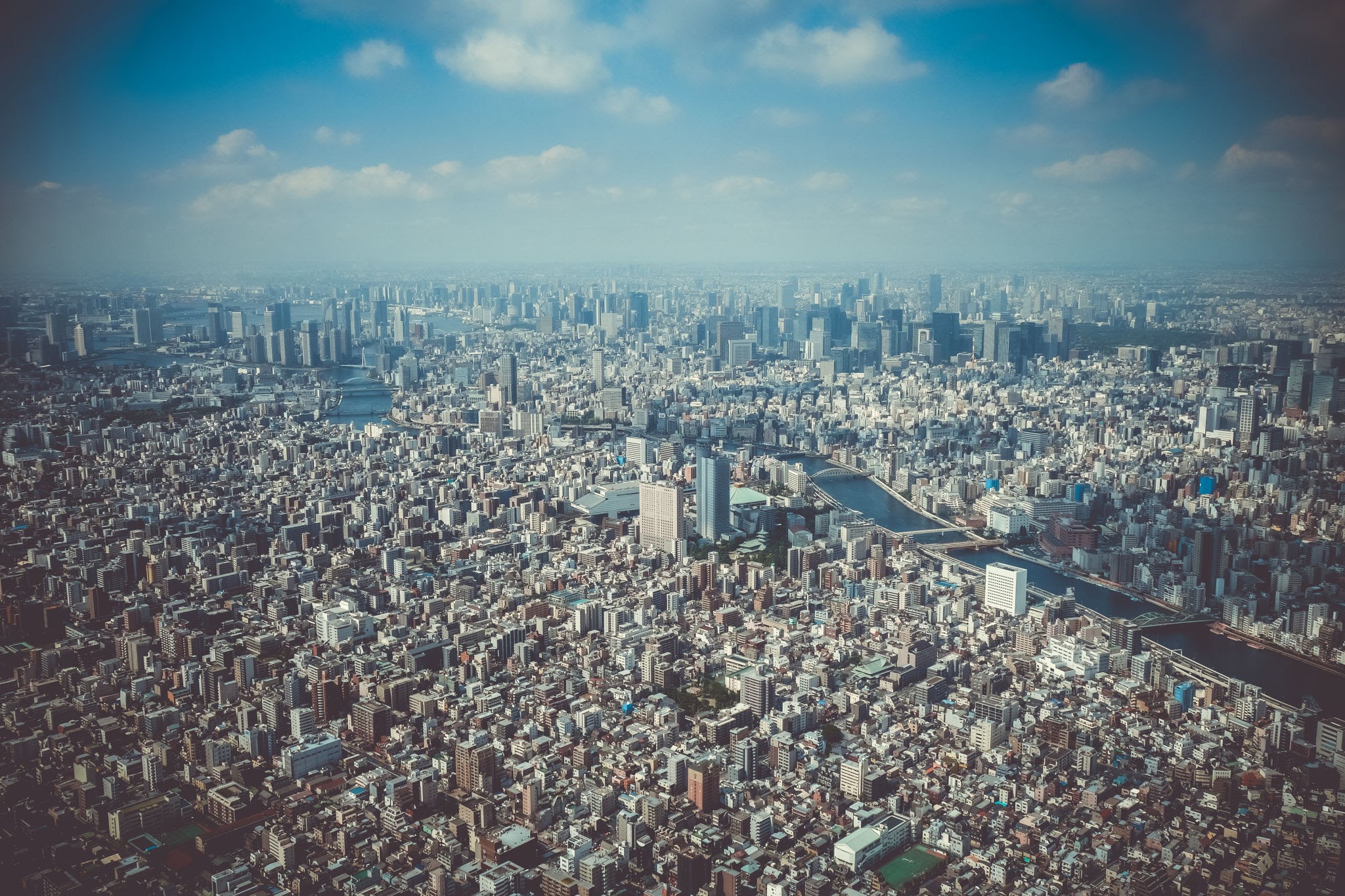
Official data from the United Nations and Oxford Economics confirms Tokyo remains the world's largest megacity today with 37.3 million residents. However, demographic projections indicate Delhi will become the next No 1 city by population around 2030, reflecting a broader global urban economic shift toward South Asia and Africa.
NEW DELHI — International urban research organizations, including the United Nations Department of Economic and Social Affairs (UN DESA) and Oxford Economics, have released updated global urbanization assessments evaluating which global center holds and will inherit the title of the next No 1 city on Earth.
According to current UN demographic metrics, Greater Tokyo, Japan, remains the largest megacity globally with approximately 37 million residents. However, long-term projections indicate that rapidly expanding urban agglomerations in Asia and Africa—led by Delhi, India, and Guangzhou-Shenzhen, China—are set to shift the global urban hierarchy before mid-century.
Comparative Global City Rankings and Projections
Global city rankings evaluate urban centers across two distinct metrics: population size (demographics) and Gross Domestic Product (economic output).
| Metric Category | Current Leader | Project Leader (2035–2050) | Key Growth Drivers |
| Population Size | Tokyo, Japan (~37.3 Million) | Delhi, India (~38–40 Million) | Rural-to-urban migration, high regional birth rates |
| Economic Output (GDP) | New York City, USA (~$2.1 Trillion) | New York / Tokyo / Shanghai | Financial tech innovation, corporate headquarters |
| Urban Density Growth | Guangzhou-Shenzhen, China | Lagos, Nigeria / Kinshasa, DRC | Rapid industrialization, sub-Saharan population boom |
Population Dynamics: The Shift Toward South Asia
According to UN DESA urbanization reports, demographers project that Delhi will surpass Tokyo as the world's most populous metropolitan area around 2030.
While Tokyo's population has begun a gradual decline due to Japan's aging demographics, South Asian metropolitan corridors are experiencing steady urban influx. The National Capital Region (NCR) surrounding Delhi continues to absorb surrounding industrial zones, expanding its physical footprint and workforce capacity.
In sub-Saharan Africa, cities such as Lagos (Nigeria) and Kinshasa (Democratic Republic of the Congo) are projected by demographers to enter the top five global megacity rankings by 2050, driven by regional population expansion.
Economic Benchmarks: Financial Powerhouse Cities
While population defines physical scale, institutional studies by Oxford Economics and Kearney evaluate the next No 1 city on Earth through commercial influence and capital generation:
New York and London: Continue to lead global economic ranking indices based on market capitalization, financial service concentration, and international corporate headquarters.
East Asian Financial Hubs: Tokyo, Shanghai, and Beijing maintain positions among the top five economic cities globally, driven by industrial manufacturing and domestic consumer markets.
Emerging Tech Hubs: Cities such as Bengaluru (India) and Shenzhen (China) report the highest annual GDP growth rates among major metropolitan regions, positioning them as key drivers of future digital commerce.
Official Sources Section
According to official data released by the United Nations Department of Economic and Social Affairs (UN DESA), the World Bank Urban Development Unit, and published research filings from Oxford Economics, global urban populations will increase from 56% in 2026 to nearly 68% by 2050.
Quote Section
"According to UN demographic analysts, the economic and population center of gravity of global megacities is shifting steadily from North America and Europe toward Asia and sub-Saharan Africa."
Official reports from the World Bank state that managing infrastructure investment, housing access, and public transport logistics will determine whether emerging megacities can translate demographic expansion into sustainable economic productivity.
Why It Matters
Determining the next No 1 city on Earth shapes global investment, real estate allocation, corporate expansion, and municipal governance strategies. For businesses, investors, and international policy analysts, tracking urban demographic shifts highlights where future consumer markets, infrastructure demand, and labor pools will concentrate over the coming decades.
Key Facts at a Glance
Current Largest City by Population: Greater Tokyo, Japan, with approximately 37.3 million residents.
Projected Demographic Leader: Delhi, India, expected to become the world's most populous city around 2030.
Current Economic Leader: New York City, United States, leading in total urban Gross Domestic Product.
Highest Growth Regions: South Asia and sub-Saharan Africa hosting the fastest-expanding metropolitan areas.
Global Urbanization Rate: Projected by the UN to reach nearly 68% of the world's population by 2050.
Frequently Asked Questions
Which city is currently the largest in the world by population?
According to UN DESA data, Greater Tokyo, Japan, is currently the world's largest metropolitan area, with a population of approximately 37.3 million residents.
Which city is projected to become the next No 1 city by population?
Demographic models from the United Nations project that Delhi, India, will overtake Tokyo to become the world's most populous city around 2030.
What is the difference between ranking cities by population versus economic output?
Population rankings measure the total number of residents in a metropolitan area, while economic rankings measure total Gross Domestic Product (GDP), financial transactions, corporate concentration, and market influence.
Source: United Nations Department of Economic and Social Affairs (UN DESA), World Bank Urban Development Reports, Oxford Economics Global Cities Index, Press Information Bureau (PIB).