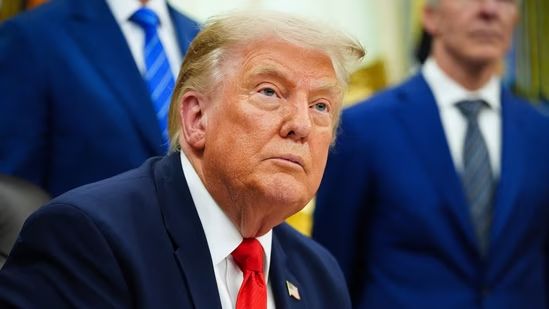
U.S. Treasury Secretary Scott Bessent announced that negotiations are underway to reopen the vital Strait of Hormuz within days. Following diplomatic mediation involving regional powers and Oman, the potential breakthrough aims to restore commercial shipping, ease international energy markets, and wind down months of severe maritime conflict.
Backed by regional mediation and active diplomatic channels, Washington anticipates a swift resolution to restore commercial traffic through the vital Persian Gulf corridor.
Amid high-stakes diplomatic maneuvers across West Asia, senior United States officials indicated on August 4, 2026, that negotiations to reopen the strategic Strait of Hormuz could reach a breakthrough within days. Speaking on regional security and economic stabilization in Washington, U.S. Treasury Secretary Scott Bessent stated that discussions are advancing rapidly to restore normal commercial transit through the crucial global energy artery. The diplomatic push follows intense behind-the-scenes mediation led by Oman, Qatar, and regional allies, offering a potential pathway to de-escalate tensions and relieve pressure on international supply chains.
Navigating Diplomatic Channels and Maritime Transit
The closure of the shipping corridor, which handles a significant portion of the world's petroleum and liquefied natural gas supplies, has heavily impacted global trade networks since early 2026. According to official statements from U.S. and regional authorities, current discussions focus on establishing safe, intermediate transit corridors that allow merchant vessels to resume normal voyages.
Key operational frameworks under discussion include:
Phased Reopening: Initial negotiations prioritize the immediate, unconditional opening of maritime routes to permit stranded commercial tankers to exit the Persian Gulf safely.
Mediated Frameworks: Discussions coordinated through Omani and Qatari channels aim to bridge gaps between Washington and Tehran regarding navigational authority and regional security protocols.
Energy Market Stabilization: Restoring regular transit is expected to lower shipping insurance premiums and cool volatile crude oil and industrial gas pricing globally.
Broader Diplomatic Roadmap: U.S. leadership has outlined that successfully reopening the waterway will serve as a foundational step toward addressing wider nuclear and regional security concerns.
Impact on Global Consumers, Businesses, and Energy Markets
For international energy markets, shipping enterprises, and industrial consumers, the prospect of reopening the waterway offers immediate economic relief. Following initial reports of potential diplomatic progress, Brent crude futures experienced downward corrections, reflecting market optimism over resumed supply lines. For commercial transport operators and cargo carriers, a secure transit framework eliminates costly rerouting delays, stabilizing consumer prices for refined petroleum products, fertilizers, and essential industrial goods worldwide.
Why It Matters
The Strait of Hormuz functions as one of the world's most critical maritime chokepoints. Securing an agreement to restore uninterrupted commercial navigation protects global energy security, prevents severe supply chain bottlenecks, and provides a vital framework for broader regional de-escalation.
Key Facts at a Glance
Strategic Location: The Strait of Hormuz, connecting the Persian Gulf and the Gulf of Oman.
Key Officials: U.S. Treasury Secretary Scott Bessent leading economic assessments; Omani and Qatari diplomats facilitating talks.
Core Objective: Immediate reopening of maritime shipping routes and normalization of global energy transit.
Market Reaction: Downward adjustments in global crude prices following announcements of potential diplomatic breakthroughs.
FAQ Section
What is the current status of negotiations regarding the Strait of Hormuz?
U.S. officials report that active diplomatic talks are underway through regional mediators like Oman and Qatar to establish a framework for reopening the waterway.
Why is reopening the Strait of Hormuz critical for global markets?
The waterway serves as a primary transit corridor for a substantial share of the world's traded petroleum and liquefied natural gas, directly influencing international energy prices.
What happens after the waterway is reopened?
U.S. leadership has indicated that reopening shipping lanes constitutes the first phase of a broader diplomatic roadmap intended to address long-term regional stability and nuclear security parameters.
Where can readers find official updates on maritime security in the region?
Verified security advisories and transit updates are published regularly by the United Kingdom Maritime Trade Operations (UKMTO) and the U.S. Department of the Treasury.
Source: U.S. Department of the Treasury, Ministry of Foreign Affairs of Qatar, The Associated Press, CNBC, United Kingdom Maritime Trade Operations