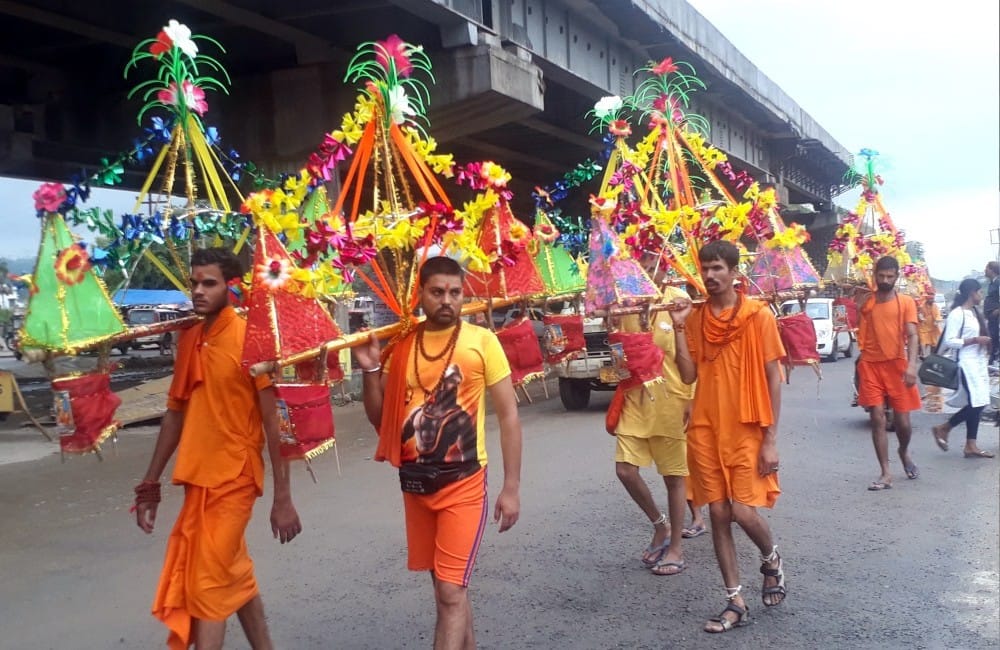
The Uttar Pradesh State Road Transport Corporation (UPSRTC) will deploy additional buses and establish 24-hour regional control rooms starting July 30, 2026, to manage passenger demand during Kanwar Yatra. Special measures include mandatory driver breath-analyzer tests, speed enforcement, and coordinated highway route diversions along key transit corridors.
LUCKNOW, India — The Uttar Pradesh State Road Transport Corporation (UPSRTC) announced on July 26, 2026, that it will deploy additional fleet buses and establish 24-hour control rooms across regional headquarters to manage pilgrim travel for the annual Kanwar Yatra. The special transport arrangements will go into effect alongside the commencement of the sacred month of Shravan on July 30, 2026, and remain active through the conclusion of the pilgrimage.
The state-wide logistical deployment aims to accommodate the significant surge in passenger traffic along key transit corridors connecting major spiritual hubs while preventing travel disruptions.
Dedicated Fleet Deployment across Key Pilgrim Routes
To handle the heightened movement of Kanwariyas (pilgrims carrying holy water from the Ganges), UPSRTC will scale up bus services targeting high-demand destinations. Minister of State (Independent Charge) for Transport Dayashankar Singh directed state transport authorities to prioritize routes leading to Haridwar, where a substantial portion of devotees gather.
According to UPSRTC Managing Director Prabhu Narayan Singh, additional fleet operations will also be dynamically adjusted based on real-time demand across primary inter-city corridors. Key routes receiving extra vehicle allocations include lines linking Lucknow, Ayodhya, Gorakhpur, Varanasi, and Prayagraj.
24-Hour Control Rooms and Multi-Agency Coordination
To maintain operational oversight throughout the pilgrimage, UPSRTC is setting up round-the-clock control rooms at every regional headquarters across Uttar Pradesh. These units will maintain complete logs of vehicle movements, monitor route traffic, and quickly address passenger queries or emergencies.
Regional transport managers have been instructed to participate in daily coordination meetings convened by Divisional Commissioners and District Magistrates. This inter-agency synchronization between the transport corporation, district administration, and state police will ensure swift implementation of designated route diversions.
Strict Road Safety Protocols and Passenger Amenities
To safeguard both pilgrims and regular commuters, UPSRTC is introducing rigorous safety checks for all active personnel. All bus drivers will undergo mandatory breath-analyzer tests prior to starting their shifts to prevent driving under the influence. Furthermore, speed regulators will be closely monitored to enforce prescribed highway speed limits.
At key bus terminals situated along the pilgrimage routes, station master teams have been directed to maintain continuous passenger amenities. Essential infrastructure upgrades include uninterrupted drinking water supply, sanitized restrooms, functioning public address systems for schedule announcements, clear help desks, and inspected catering stalls.
Official Sources Section
Official updates and operational guidelines regarding the pilgrimage transport plan were released directly by the Uttar Pradesh State Road Transport Corporation (UPSRTC) and the state's Department of Transport. Administrative coordination and route management details follow directives issued by Uttar Pradesh Transport Minister Dayashankar Singh and UPSRTC Managing Director Prabhu Narayan Singh.
Quote Section
According to official directives issued by Transport Minister Dayashankar Singh, corporation staff and drivers have been instructed to maintain a courteous approach toward all pilgrims. Officials emphasized that bus operations will strictly align with local diversion frameworks established by law enforcement to ensure that public transport does not impede foot movements during the Yatra.
Why It Matters
The annual Kanwar Yatra attracts millions of pilgrims moving across Northern India, causing major disruptions to regular highway transport. By deploying dedicated buses, enforcing mandatory driver sobriety checks, and coordinating route diversions through 24-hour regional control rooms, UPSRTC aims to balance high-volume pilgrim travel demands with overall public road safety.
Key Facts at a Glance
Special Transport Fleet: UPSRTC deploying extra buses starting July 30, 2026, for the Shravan Kanwar Yatra.
Continuous Monitoring: 24-hour control rooms active at all regional headquarters from the start to the end of the pilgrimage.
Priority Corridors: Increased bus frequencies for Haridwar, Lucknow, Ayodhya, Gorakhpur, Varanasi, and Prayagraj routes.
Safety Mandates: Mandatory breath-analyzer tests for all drivers and strict enforcement of highway speed limits.
Frequently Asked Questions (FAQ)
When do the special UPSRTC bus services for Kanwar Yatra begin?
The additional bus services and 24-hour regional control rooms will go operational on July 30, 2026, coinciding with the beginning of the Shravan month, and will remain active throughout the yatra.
Which routes will have additional UPSRTC buses?
UPSRTC is scaling up bus services on major routes connecting Haridwar, Lucknow, Ayodhya, Gorakhpur, Varanasi, and Prayagraj.
How are safety standards being enforced for drivers during the Yatra?
Transport authorities have mandated pre-shift breath-analyzer testing for all drivers, alongside speed governor monitoring to enforce highway safety limits.
Source: Official press releases from the Uttar Pradesh State Road Transport Corporation (UPSRTC) and official policy directives from the Uttar Pradesh Department of Transport.