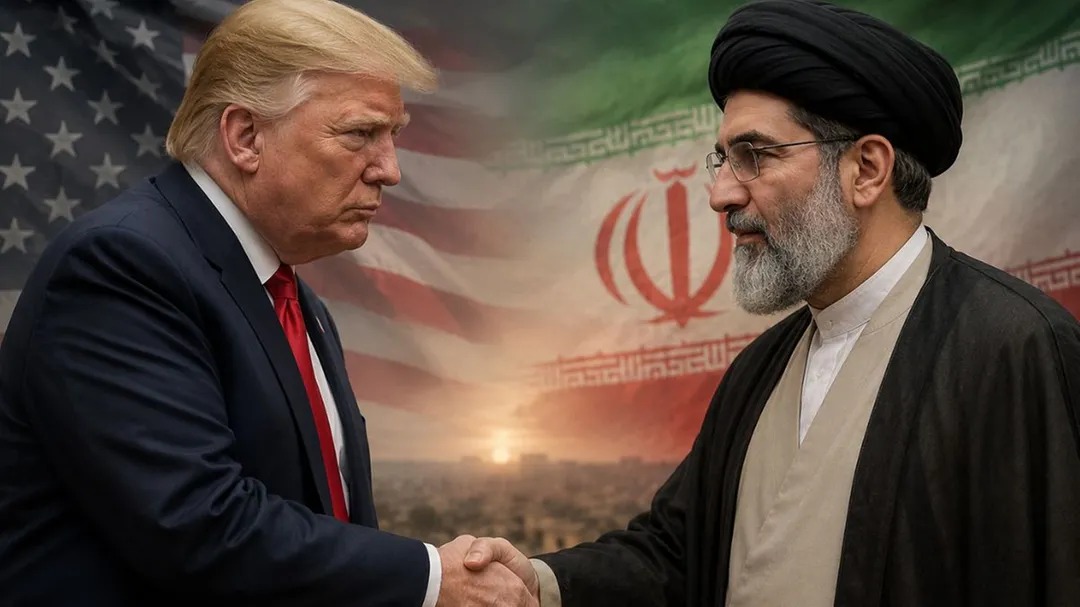
The United States and Iran have announced a historic peace deal brokered by Pakistan, ending three months of war and halting military operations on all fronts, including Lebanon. While an official signing is set for Friday in Geneva, disputes linger over the timeline for releasing $24 billion in frozen Iranian assets.
The United States and Iran have reached a landmark peace agreement declaring an immediate and permanent termination of military operations across all fronts, including Lebanon. The historic diplomatic breakthrough, brokered primarily by Pakistan with secondary mediation from Qatar, Turkey, and Saudi Arabia, effectively concludes more than three months of active warfare in West Asia. However, despite public confirmations from both heads of state, major friction points have immediately emerged regarding the operational mechanics of reopening the Strait of Hormuz and the scheduled release of billions in frozen Iranian financial assets.
Terms of the Islamabad Memorandum and Signing Logistics
The localized framework, formally known as the Islamabad memorandum of understanding, was finalized on Sunday, June 14, 2026. The diplomatic breakthrough coincided with U.S. President Donald Trump's 80th birthday, prompting an immediate declaration on social media that the maritime conflict was finished.
According to official releases from Pakistani Prime Minister Shehbaz Sharif, the framework mandates a comprehensive halt to all hostile encounters on land, air, and sea. An official multilateral signing ceremony has been scheduled for Friday, June 19, 2026, in Geneva, Switzerland, where U.S. Vice President JD Vance and high-level Iranian envoys are slated to formalize the text.
The initial memorandum establishes a rigid 60-day window for specialized technical teams to assemble and negotiate a permanent settlement. These subsequent rounds of dialogue will prioritize the long-term dismantling of Iran's uranium enrichment programs, the implementation of an aggressive international inspection regime, and prospective war reparations requested by Tehran following the high-intensity initial strikes in late February 2026.
Discord Over Frozen Asset Timelines and Financial Performance
While diplomatic protocols move forward in Switzerland, an immediate public dispute has erupted concerning the financial compensation clauses embedded in the 14-point framework document.
Iranian state media outlets, including the Mehr and Tasnim news agencies, published leaked drafts of the memorandum stipulating the systematic unfreezing of $24 billion in total Iranian capital currently withheld in foreign accounts. The reports assert that half of this figure—amounting to $12 billion—must be completely unlocked and made accessible to the Central Bank of Iran before technical-level nuclear negotiations commence next week.
However, Western officials moved quickly to challenge the Iranian timeline. Speaking anonymously to Axios, a senior U.S. administration official stated that Washington views the framework strictly as a "pay-for-performance" arrangement. Under the American interpretation, no liquid capital assets will change hands until international regulators verify Iran’s compliance with local demilitarization.
The financial asset friction is further aggravated by earlier legislative proposals floated by U.S. Treasury Secretary Scott Bessent, who suggested diverting seized Iranian reserves to financially insulate Gulf state allies from regional damage—a move Iranian Foreign Minister Abbas Araghchi labeled an explicit breach of the truce.
Operational Logistics of Reopening the Strait of Hormuz
The physical execution of civilian shipping corridors through the Strait of Hormuz remains a critical vulnerability for global energy security. Following the announcement, President Trump declared an end to the U.S. naval blockade on Iranian ports, which has tightly restricted regional maritime trade since mid-April.
Nevertheless, the operational transfer of naval authority faces significant logistical hurdles:
Command Control: Iranian Deputy Foreign Minister Kazem Gharibabadi indicated that Tehran will not cede tactical management of the strait, insisting that maritime traffic resume "under Iranian arrangements" within 30 days.
Demining Operations: Extensive naval demining runs are required to clear heavy underwater munitions laid during the peak of the spring naval skirmishes. This issue is scheduled for discussion at the upcoming Group of Seven (G7) summit.
Regional Alignment: The office of Israeli Prime Minister Benjamin Netanyahu issued a cautious memo stating Israel is not an explicit signatory to the bilateral memorandum, raising concerns among traders regarding unilateral strikes on pro-Iranian infrastructure in southern Lebanon.
Official Sources Section
The corporate positions and tactical data sets recorded in this report are synthesized from official statements issued by the White House Press Office, regulatory broadcast transcripts from the Iranian Foreign Ministry via the Tasnim News Agency, and formal diplomatic correspondence archived by the Ministry of Foreign Affairs of Pakistan.
Executive Statements
"According to officials representing the United States administration, the finalized framework represents an unprecedented diplomatic achievement, but subsequent implementations will remain strictly performance-driven to ensure verifiable nuclear constraints."
"Organizers stated that the resilience of domestic armed forces compelled Western adversaries to abandon the naval blockade, and future technical talks will remain contingent on Washington fully executing its asset-release obligations first."
Why It Matters
The formalization of the U.S.-Iran peace deal carries immediate practical consequences across international industrial sectors:
For Energy Consumers: The lifting of blockades along global shipping corridors is projected to stabilize wholesale crude oil volatility, lowering fuel costs for logistics firms.
For Commercial Shipping: Maritime logistics corporations can phase out expensive detour routes around Africa, lowering container insurance premiums.
For Regional Citizens: A permanent cessation of hostilities provides vital relief to displaced populations across Lebanon and the wider Levant, halting months of infrastructure destruction.
Key Facts at a Glance
Official Signing Date: Scheduled for Friday, June 19, 2026, during a multilateral diplomatic summit in Geneva, Switzerland.
Financial Scope of Contention: Leaked drafts outline a $24 billion frozen asset release, with Iran demanding $12 billion upfront.
Negotiation Window: Technical teams are bound to a strict 60-day deadline to resolve long-term nuclear enrichment controls.
Hormuz Reopening Target: Maritime trade corridors are slated to resume full commercial navigation within a 30-day window.
Frequently Asked Questions
What are the primary hurdles delaying the immediate reopening of the Strait of Hormuz?
The main delays involve the physical necessity of clearing naval mines deployed during the war and resolving a jurisdictional dispute over whether transit security will be managed under international coalitions or strict Iranian oversight.
Will the United States release the $12 billion in frozen assets immediately?
No. While Iranian state media claims the funds must be released before technical talks begin, senior U.S. officials maintain that the cash releases are strictly milestone-dependent and tied to verifiable security steps.
Does this peace deal include a permanent ceasefire inside Lebanon?
Yes. The Islamabad memorandum includes the immediate and permanent termination of military operations on all fronts, explicitly extending to the conflict lines within Lebanon.
Sources: