




Loading market data...
ADVERTISEMENT

Latest Top News

USD/INR One-Year Forward Yield Climbs To 3.48%, Marking Highest Level Since October 2024
India’s forex market witnessed a sharp rise in the one-year forward implied yield for USD/INR, which surged to 3.48%—its highest level since October 2024. Traders attribute the spike to importer hedging and reduced liquidity following RBI’s regulatory measures, signaling tighter conditions for corporates managing currency risk.
Stay Ahead – Explore Now! India Space Technology Named Core Strength by Global Industry Leaders
ADVERTISEMENT

Latest Updates

Mercedes-Benz India Steers Past Headwinds to Fuel...
15 Jun 2026, 11:45 PM
Sanon’s Andheri Asset Action: Family Bags ₹4.6 Cr...
15 Jun 2026, 11:42 PM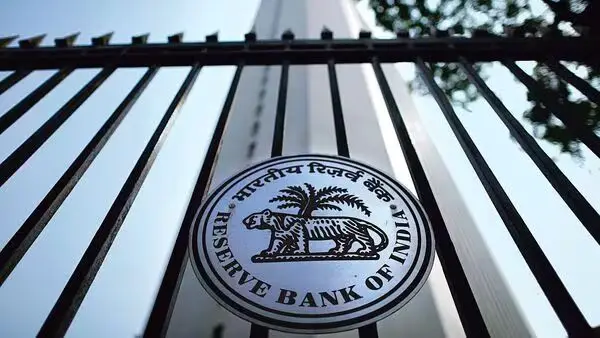
Banking on Trust: RBI Bans Coercive Bundling and A...
15 Jun 2026, 11:39 PM
AI Over the Hill: Gemini Picks Winner in Summer Tr...
15 Jun 2026, 11:36 PM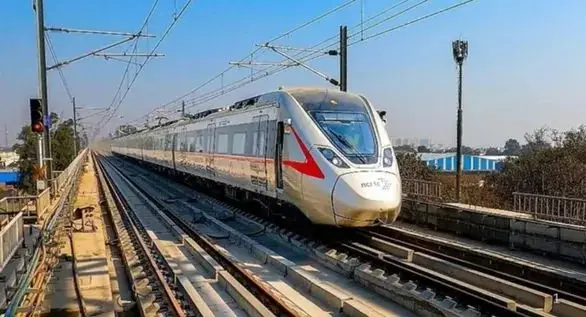
Track to Uttarakhand: Namo Bharat Expansion Nears...
15 Jun 2026, 10:18 PMADVERTISEMENT

Top Stories
Mercedes-Benz India Steers Past Headwinds to Fuel...
15 Jun 2026, 11:45 PM
Sanon’s Andheri Asset Action: Family Bags ₹4.6 Cr...
15 Jun 2026, 11:42 PM
Banking on Trust: RBI Bans Coercive Bundling and A...
15 Jun 2026, 11:39 PM