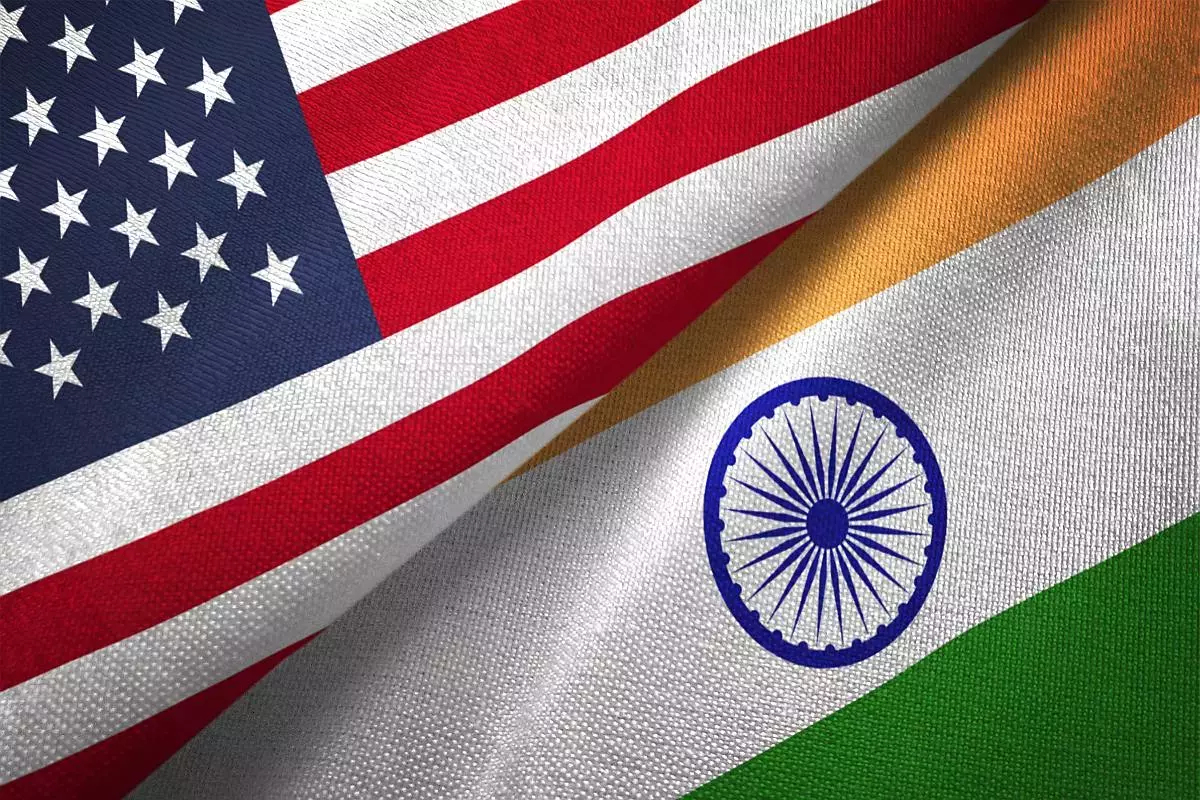
US Trade Representative Jamieson Greer will travel to India next week following the G7 summit to negotiate a potential interim trade agreement. The high-stakes talks aim to secure reciprocal market access and resolve outstanding tariff issues between Washington and New Delhi ahead of a critical July deadline.
WASHINGTON, June 13, 2026 — United States Trade Representative (USTR) Jamieson Greer is scheduled to travel to India next week to advance bilateral trade negotiations, according to a senior US administration official. The high-profile diplomatic visit comes amid growing optimism from both Washington and New Delhi that an interim trade agreement is within reach, potentially resolving long-standing tariff disputes before a mid-summer deadline.
The announcement was made on Saturday as global leaders prepare to gather for the Group of Seven (G7) summit in Evian-les-Bains, France, from June 15 to 17. While President Donald Trump and Indian Prime Minister Narendra Modi are expected to discuss trade frameworks during their meetings at the summit, officials clarified that a final signature on the deal will require the subsequent technical deliberations headed by Ambassador Greer in India.
Negotiations Intensify Ahead of July Tariff Deadline
The upcoming round of discussions in New Delhi follows an intense four-day marathon of technical talks concluded by chief negotiators on June 4. According to the Indian Ministry of Commerce, those initial sessions yielded "constructive and positive" progress across market access, non-tariff measures, customs protocols, and trade facilitation.
The timeline for a deal remains compressed. Indian Commerce Minister Piyush Goyal previously indicated that the first tranche of a bilateral trade agreement could be concluded by mid-July. This target aligns closely with the impending July 24 expiration of a temporary 10% global tariff implemented by the United States under Section 122 of the Trade Act of 1974.
Negotiations are aimed at providing reciprocal concessions that would shield Indian exporters from sweeping new baseline tariffs while opening up key sectors for American businesses.
Balancing Tariffs and Supply Chain Cooperation
Ties between Washington and New Delhi have faced persistent friction over shifting tariff policies. Following a US Supreme Court ruling that invalidated previous tariff structures, the Trump administration launched a series of Section 301 investigations. On June 2, the USTR proposed fresh 12.5% duties on a host of countries, including India, citing alleged gaps in the enforcement of forced labor import bans.
Despite these regulatory hurdles, the broader geopolitical alignment has kept both sides at the negotiating table. The two nations issued a joint framework on February 7, 2026, mapping out an Interim Agreement that serves as a stepping stone toward a comprehensive Bilateral Trade Agreement (BTA). A primary goal for New Delhi remains securing preferential market access for Indian manufactured goods, textiles, and agricultural products relative to global competitors.
Impact on Citizens, Markets, and Supply Chains
A finalized agreement could bring immediate predictability to global supply chains, benefiting manufacturers and consumers in both countries. For American companies, increased market access to India’s expanding consumer base offers growth potential in digital services, agricultural exports, and advanced machinery.
Conversely, Indian exporters in the pharmaceutical, engineering, and textile sectors are watching the negotiations closely, as a successful deal would prevent a sharp rise in pricing pressures at the US border. Investors also view the talks as a signal of regulatory stabilization between the two massive economies.
Official Sources Section
Details regarding the upcoming diplomatic travel and economic framework have been confirmed via:
The White House / US Administration Officials: Statements issued to reporters on Saturday regarding the G7 agenda and Ambassador Greer’s travel plans.
Office of the United States Trade Representative (USTR): Directives on Section 301 investigations and comments from Ambassador Jamieson Greer.
Ministry of Commerce and Industry, Government of India: Press releases detailing the bilateral sessions held from June 1 to 4 and remarks by Commerce Minister Piyush Goyal.
Quote Section
According to a senior US administration official briefing reporters on Saturday:
"We know that Prime Minister Modi is quite ambitious about the role he sees for India, the importance of the U.S.-India relationship. We think a potential trade deal is part of that. The President will insist on reaching a very good deal, and we think a very good deal is possible. I don't think we'll close that deal at the G7, but further technical discussions will happen next week."
Why It Matters
A trade deal between the US and India would structurally secure economic ties at a time of global supply chain re-alignment. For corporations navigating cross-border commerce, an interim agreement ensures cost stability, averts a looming tariff cliff in late July, and establishes a clear legal framework for intellectual property and digital trade between Washington and New Delhi.
Key Facts at a Glance
The Event: USTR Jamieson Greer will travel to India for trade talks the week of June 15, 2026.
Core Goal: Finalizing details of an Interim Agreement before a July 24 US tariff expiration.
Key Sectors Involved: Market access, customs facilitation, textile trade, and non-tariff regulations.
Preceding Actions: High-level bilateral frameworks were established earlier this year on February 7 and April 20.
FAQ Section
Q1: What is the main purpose of USTR Greer’s upcoming trip to India?
Ambassador Greer is traveling to finalize the concrete details of an interim trade deal and advance the broader Bilateral Trade Agreement (BTA) framework with Indian officials.
Q2: Will a trade deal be signed at the G7 summit in France?
No. While President Trump and Prime Minister Modi will review the broad contours of the trade talks at the G7 summit, the actual deal is expected to be negotiated and advanced during Greer's subsequent trip to New Delhi.
Q3: What are the primary demands from the Indian delegation?
India is seeking preferential market access for its exports compared to global competitors and relief from potential Section 301 tariff penalties linked to recent US trade investigations.
Source: Reuters News Service, Ministry of Commerce and Industry (India) Press Releases, and Office of the United States Trade Representative (USTR) official briefings.