Uttarakhand's Butter Festival, or Anduri Utsav, is a traditional pastoral celebration held at Dayara Bugyal in Uttarkashi. Villagers play Holi with fresh butter and buttermilk to thank mountain deities for protecting their livestock during summer grazing, blending ancient Garhwali heritage with sustainable high-altitude eco-tourism.
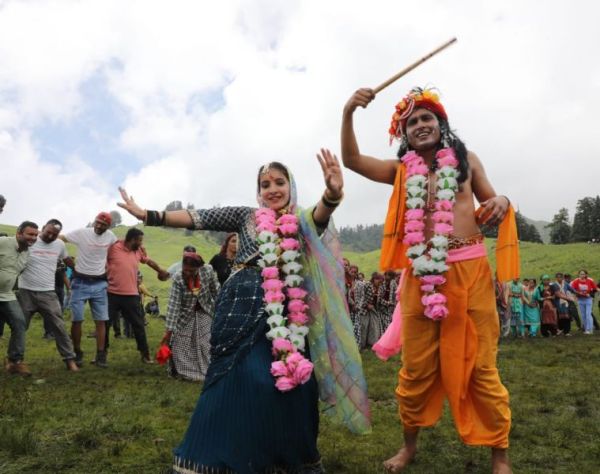
UTTARKASHI / DEHRADUN — Hundreds of local villagers and high-altitude trekkers assembled at Dayara Bugyal in the Uttarkashi district of Uttarakhand on Monday to celebrate the annual Uttarakhand Butter Festival, traditionally recognized as the Anduri Utsav. Situated at an elevation of over 11,000 feet in the Garhwal Himalayas, the celebration marks an ancient agrarian custom where local pastoralists play Holi using freshly churned butter (makhan), buttermilk (chhaas), and milk extracts instead of artificial colors. The centuries-old festival marks the return of grazing herds from upper Himalayan alpine pastures before the onset of autumn, drawing renewed attention from cultural conservationists and regional tourism authorities.
Historical Origins and Pastoral Tradition of Anduri Utsav
The Uttarakhand Butter Festival has deep historical and cultural roots among the native pastoral communities of Raithal and adjoining villages in Uttarkashi. For centuries, local dairy farmers and nomadic Gujjars have moved their cattle, cows, and goats up to the nutrient-rich highland meadows (bugyals) during the summer monsoon months when grazing vegetation is abundant.
As summer concludes around mid-August, coinciding with the Hindu festival of Bhado Sankranti, villagers prepare to bring their livestock back down to the valleys before the harsh winter weather sets in. The Anduri festival functions as a communal thanksgiving ritual dedicated to Lord Krishna and local mountain deities for keeping the cattle safe from mountain predators and harsh climate conditions during their high-altitude stay.
Originally, the festival was celebrated by throwing cow dung and natural floral extracts as an offering to mother nature. Over recent decades, community elders and local gram panchayats evolved the ritual into a community celebration featuring makhan and chhaas, leading popular cultural chroniclers to refer to the event as the Uttarakhand Butter Festival.
High-Altitude Meadow Celebrations at Dayara Bugyal
Celebrations begin early in the day when women and village elders from Raithal, Bhatwari, and surrounding settlements make a steep six-kilometer uphill trek to the Dayara meadow carrying earthen pots filled with freshly churned dairy products.
Traditional Garhwali folk instruments, including the dhol, damau, and ranasingha, set the rhythm for celebratory folk dances such as the Raso and Tandi. Villagers in traditional attire apply butter to each other’s faces, mirroring the playful Holi celebrations linked to Lord Krishna’s pastoral lore.
Local organizers strictly emphasize using pure, organic dairy products sourced directly from local cattle to maintain the sacredness of the event and avoid chemical contamination in the ecologically sensitive Himalayan meadow ecosystem.
Socio-Economic Impact on Eco-Tourism and Mountain Communities
The formalization of the Uttarakhand Butter Festival as a scheduled regional cultural event has generated significant economic and tourism impacts across the Bhagirathi river valley:
Rural Homestay Economy: The surge of domestic and foreign trekkers arriving for the festival provides direct seasonal income for local homestays and community-run lodges in Raithal village.
Support for Indigenous Dairy: The ritual showcases indigenous Himalayan cow breeds and organic dairy produce, encouraging local youth to maintain traditional animal husbandry alongside mountain guiding.
Environmental Stewardship: In coordination with the Uttarakhand Forest Department, local youth groups enforce strict waste-management rules to ensure the alpine flora of Dayara Bugyal remains protected from plastic waste and tourist littering.
Official Sources
According to official bulletins released by the Uttarakhand Tourism Development Board (UTDB) and notifications issued by the District Administration of Uttarkashi, the Anduri Utsav is officially recognized as an integral part of the state's cultural eco-tourism calendar. Regulatory oversight and trail permits remain coordinated through the Uttarakhand Forest Department.
Official Statements
"According to officials and village council leaders in Uttarkashi, the Anduri Butter Festival preserves ancestral mountain traditions, offering a sustainable platform to promote local Garhwali folklore, rural homestay networks, and responsible alpine meadow tourism."
Why It Matters
The Uttarakhand Butter Festival exemplifies how traditional indigenous rituals can support sustainable mountain tourism without compromising fragile Himalayan ecosystems. For travelers and cultural anthropologists, the festival provides authentic insight into living pastoral traditions. For regional policymakers, integrating community festivals into state tourism circuits helps curb out-migration by generating micro-economic opportunities in remote Himalayan border districts.
Key Facts at a Glance
Event Name: Anduri Utsav, popularly known as the Uttarakhand Butter Festival.
Location: Dayara Bugyal, Uttarkashi District, Uttarakhand (Altitude: ~11,000 feet).
Timing: Annually in mid-August (Bhado Sankranti).
Core Ritual: Playing a Holi-style celebration using fresh butter, buttermilk, and milk.
Primary Significance: Thanksgiving celebration by pastoralists for the protection of cattle in high alpine pastures.
Frequently Asked Questions
What is the primary tradition of the Uttarakhand Butter Festival?
Known locally as Anduri Utsav, the festival involves villagers celebrating with freshly churned butter (makhan) and buttermilk rather than dry powders, expressing gratitude for healthy livestock during the summer grazing season.
Where does the Butter Festival take place?
The festival takes place at Dayara Bugyal, an alpine meadow situated at an altitude of approximately 11,000 feet above sea level in the Uttarkashi district of Uttarakhand.
Why is the festival celebrated in August?
It coincides with Bhado Sankranti, marking the transition when pastoralists prepare to guide their cattle back down to the valley settlements ahead of the coming winter season.
Can tourists and trekkers participate in the festival?
Yes, tourists and trekking groups regularly participate alongside local villagers from Raithal, provided they follow ecological guidelines set by the local panchayat and forest authorities.
Source: Official cultural notifications published by the Uttarakhand Tourism Development Board (UTDB), administrative releases from the District Administration of Uttarkashi, and regional conservation updates from the Uttarakhand Forest Department.