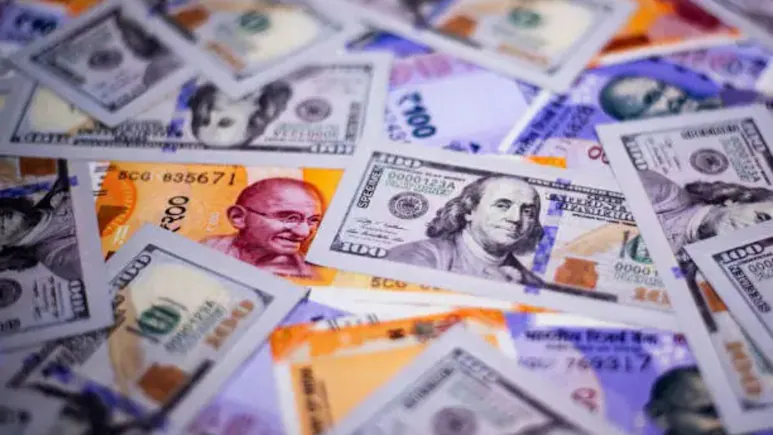
The Indian Rupee depreciated by 0.2 percent to close at 95.61 against the U.S. Dollar on Monday. Concurrently, domestic equity markets faced selling pressure, with the BSE Sensex ending 0.36 percent lower and the NSE Nifty 50 dropping 0.32 percent, as investors adopted a cautious risk-off approach.
MUMBAI — The Indian currency and benchmark equity indices concluded Monday's trading session in negative territory, highlighting cautious investor sentiment across domestic financial markets. As of the 3:30 p.m. market close on August 17, 2026, the Indian Rupee depreciated by 0.2 percent to settle at 95.61 against the U.S. Dollar. Simultaneously, the BSE Sensex and NSE Nifty 50 extended their respective losing streaks, reflecting broader selling pressure, profit-booking, and global macroeconomic uncertainties.
Currency Markets Face Downward Pressure
The Indian Rupee (INR) weakened during the intra-day session against a resilient U.S. Dollar, extending a broader depreciating trend. Opening near its previous close of 95.4250, the domestic currency faced sustained foreign exchange outflows and corporate dollar demand from importers. By the close of the trading window at 3:30 p.m. IST, the rupee was officially quoted down 0.2 percent at 95.61 per U.S. Dollar.
Foreign exchange analysts attribute the currency's pullback to fluctuating global bond yields and the consistent demand for the greenback among oil importers managing mid-month settlements. When the rupee depreciates, it directly impacts the import bill for crucial commodities like crude oil and electronics, thereby feeding into domestic inflationary pressures and affecting India's current account dynamics.
Sensex and Nifty 50 Extend Losing Streak
In tandem with the currency markets, India's primary equity barometers witnessed a persistent selloff. The 30-share BSE Sensex ended the session 0.36 percent lower, accelerating from a previous loss margin of 0.21 percent. Similarly, the broader NSE Nifty 50 index concluded trading down by 0.32 percent, further widening its earlier recorded losses of 0.11 percent.
Market observers noted profit-booking across major sectors, particularly in rate-sensitive stocks, financial services, and heavyweights that have historically driven the indices. The synchronized decline across both equity and foreign exchange markets indicates that foreign portfolio investors (FPIs) may be recalibrating their asset allocations away from emerging market equities in favor of safer, dollar-denominated assets.
Official Sources Section
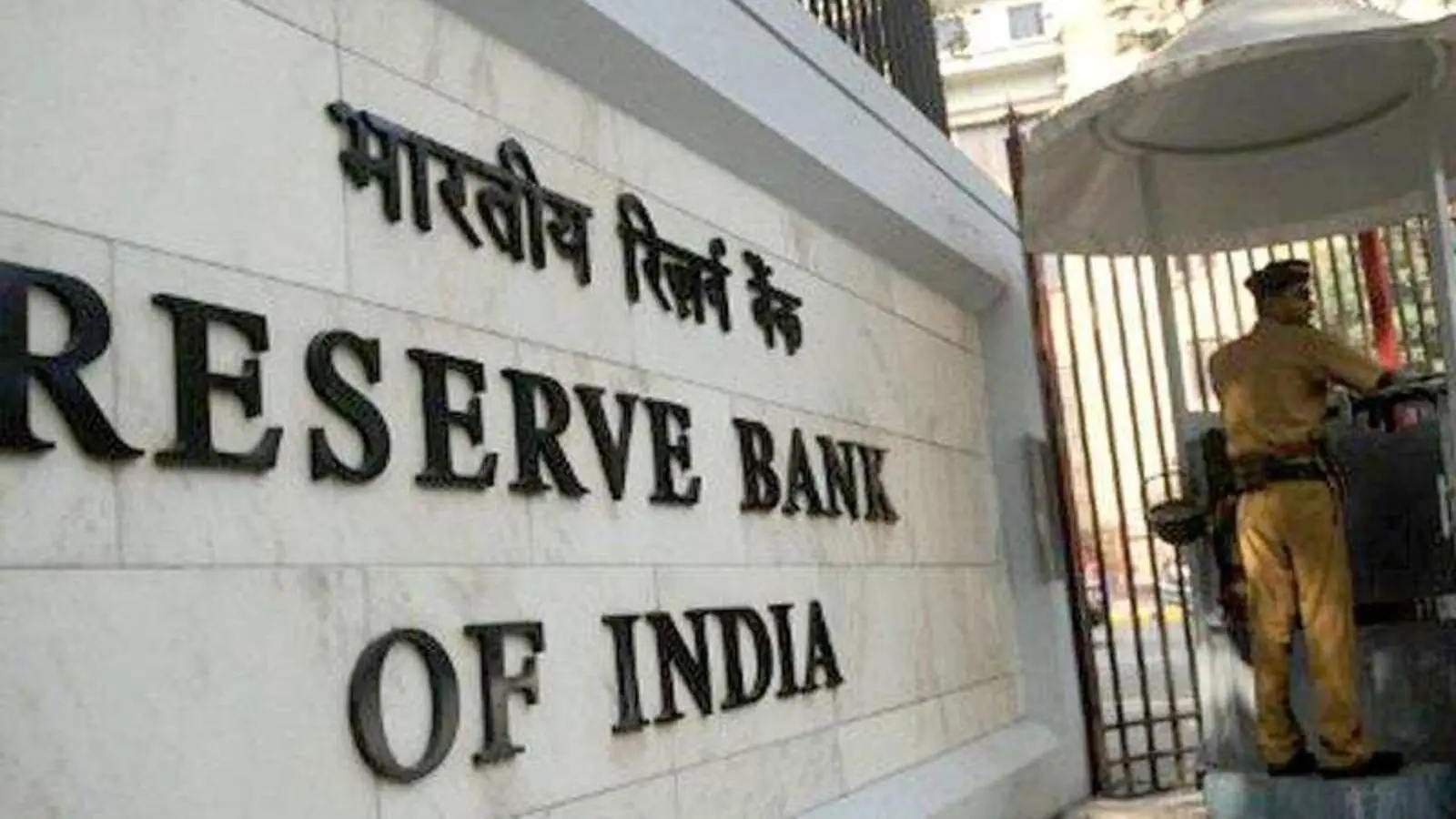
Information regarding the exchange rates and index closures were confirmed by real-time trading data provided by the Reserve Bank of India (RBI) reference rate windows, the BSE Limited, and the National Stock Exchange of India (NSE).
Quote Section
"According to market officials and trading desk analysts, the dual impact of a strengthening U.S. Dollar and defensive position-taking by institutional investors led to the concurrent dip in the domestic rupee and benchmark equity indices."
Why It Matters
The synchronized drop in equities and the domestic currency has practical implications for the broader economy. A depreciating rupee makes imported goods more expensive, which can exert upward pressure on domestic retail inflation and force the central bank to maintain tighter monetary policies. Meanwhile, back-to-back losses in the Sensex and Nifty 50 signal a risk-off environment, potentially discouraging retail investors and prompting mutual funds to increase cash reserves until macroeconomic clarity emerges.
Key Facts at a Glance
Currency Close: The Indian Rupee settled at 95.61 against the U.S. Dollar, down 0.2 percent.
Previous Rate: The previous closing rate for the INR was 95.4250.
BSE Sensex: Ended 0.36 percent lower, extending prior losses of 0.21 percent.
NSE Nifty 50: Closed down 0.32 percent, extending earlier losses of 0.11 percent.
Timestamp: Data was recorded as of the official market close at 3:30 p.m. IST.
Frequently Asked Questions
What was the closing rate of the Indian Rupee?
The Indian Rupee closed at 95.61 against the U.S. Dollar, marking a 0.2 percent decline from its previous close of 95.4250.
How did the BSE Sensex perform today?
The BSE Sensex ended the trading session 0.36 percent lower, extending its previous loss of 0.21 percent amid broader market selloffs.
What was the performance of the Nifty 50?
The NSE Nifty 50 index closed down by 0.32 percent, extending its earlier intraday losses of 0.11 percent.
Why are both the currency and stock markets falling?
A combination of a stronger U.S. Dollar, foreign capital outflows, and defensive profit-booking by institutional investors typically drives synchronized declines in both the rupee and domestic equities.
Source: Reserve Bank of India (RBI), BSE Limited, National Stock Exchange of India (NSE).