"Funflation" and "treatflation" are driving up the cost of live events, travel, and daily indulgences like coffee. As the wellness economy hits $6.8 trillion, consumers face a heavy premium on feeling good. This price surge is reshaping household budgets, prompting many to prioritize immediate happiness over long-term savings.
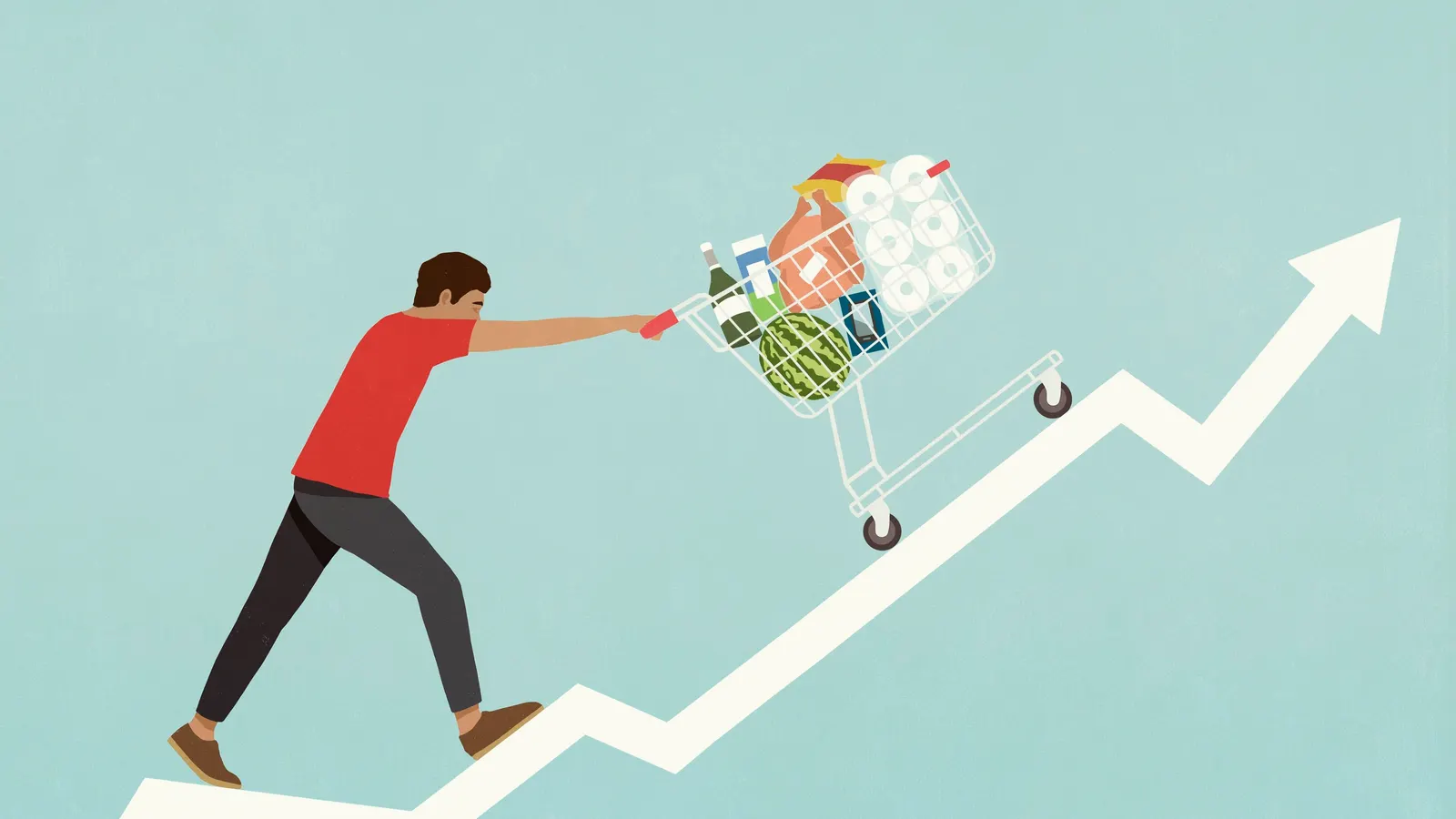
NEW YORK / MUMBAI — A quiet but powerful shift is taking place in global consumer spending, as the psychological and financial costs of "feeling good" reach unprecedented highs. Economists have coined two new terms—"funflation" and "treatflation"—to describe the aggressive price increases affecting everything from concert tickets and weekend getaways to premium coffees and self-care treatments. With the wellness economy now valued at $6.8 trillion and leisure activities outpacing broader inflation metrics, everyday consumers are finding that the price of happiness, relaxation, and small indulgences is taking a disproportionate bite out of their household budgets.
The Rise of "Funflation" in the Experience Economy
Since the post-pandemic reopening, the demand for live experiences has remained remarkably resilient despite macroeconomic headwinds. "Funflation" specifically refers to the surging costs associated with the experience economy—live music, theater, theme parks, and travel.
A combination of immense consumer demand, consolidated ticketing platforms, and rising production costs has driven entertainment prices to historic highs. Fans are frequently confronted with dynamic pricing models that inflate the cost of popular concerts or sporting events well beyond traditional face value. Similarly, the travel industry has seen hotel rates and airline fares stabilize at elevated levels. For many families, the annual summer vacation or a highly anticipated weekend getaway now requires significant financial planning or taking on consumer debt.
"Treatflation": The Premium on Small Pleasures
While "funflation" impacts large-scale experiences, "treatflation" hits consumers on a daily basis. As the cost of essential goods like groceries and housing remains elevated, many consumers have historically turned to "little treats"—a specialty latte, artisanal baked goods, or an impromptu office celebration—as a psychological coping mechanism. This behavior, often referred to as the "lipstick effect," involves substituting large purchases with affordable luxuries.
However, the prices of these small indulgences have skyrocketed. Specialty coffee shops, bakeries, and fast-casual dining venues have passed increased labor and raw material costs directly to the consumer. What was once a $4 daily coffee habit has easily morphed into a $7 or $8 expense. This pervasive price creep on everyday items creates a phenomenon known as "anchoring bias," where the visible cost of frequent purchases makes consumers feel the psychological weight of inflation far more acutely than official macroeconomic data suggests.
Impact on Savings and the Wellness Sector
The intersection of funflation and treatflation has a profound impact on personal finance. To maintain their pre-pandemic quality of life and prioritize mental wellbeing, many consumers are quietly sacrificing their long-term saving goals. The "revenge spending" cycle—buying now out of fear that prices will climb even higher—continues to distort traditional budgeting methods.
Concurrently, the broader wellness economy, which includes fitness clubs, mental health therapies, and wellness real estate, has grown by 7.9% year-over-year. With the wellness sector now representing over 6% of global GDP, the cost of self-improvement and health maintenance is increasingly becoming a luxury reserved for higher-income brackets, leaving middle- and lower-income earners to navigate the stress of inflation without access to premium support systems.
Official Sources
Data and trends regarding consumer pricing and the wellness economy are corroborated by economic tracking from the Global Wellness Institute (GWI), market analyses from McKinsey & Company, and the U.S. Bureau of Labor Statistics (BLS). Financial sentiment indices and consumer spending patterns are monitored globally by central banking authorities and leading financial media outlets.
Quote Section
"According to economic analysts, the phenomenon of funflation and treatflation reveals a deep psychological shift; as the cost of major milestones like homeownership becomes daunting, consumers are increasingly willing to pay a premium for immediate, experiential happiness and daily micro-treats, despite the strain it places on their discretionary income."
Why It Matters
Understanding the mechanics of funflation and treatflation is critical because it highlights a fundamental disconnect between official inflation metrics and everyday consumer reality. While headline inflation may be cooling, the sticky prices of leisure, dining, and wellness mean that maintaining a standard of "feeling good" requires a significantly higher share of a worker's paycheck. This dynamic forces households to re-evaluate their financial priorities, often trading long-term security for short-term relief and joy.
Key Facts at a Glance
Funflation: Refers to the disproportionate rise in costs for live entertainment, travel, and the experience economy.
Treatflation: The sharp increase in the price of everyday small luxuries, such as premium coffees, baked goods, and minor self-care items.
Wellness Economy: The global wellness market reached a peak of $6.8 trillion in 2024, growing faster than global GDP.
Psychological Impact: Frequent exposure to high prices on daily treats creates an "anchoring bias," making inflation feel worse than core data indicates.
Consumer Shift: Many individuals are reducing long-term savings contributions to afford present-day experiences and mental wellbeing.
Frequently Asked Questions
What is "funflation"?
Funflation describes the aggressive inflation of prices within the experience and entertainment sectors, including concert tickets, travel, dining out, and sporting events.
How does "treatflation" differ from general inflation?
Treatflation specifically targets the "little treats" or small, affordable luxuries consumers buy to boost their mood—such as a specialty coffee or a pastry—which have seen significant price hikes.
Why do these price hikes feel so severe?
Because consumers purchase items like coffee and food frequently, their brains anchor to these rapidly changing prices. This makes the emotional and psychological impact of inflation feel much higher than the actual core inflation rate.
How is this affecting the wellness economy?
The cost of fitness, mental health services, and personal care has surged alongside demand. While the wellness economy is booming at $6.8 trillion, access to these "feel-good" services is becoming increasingly expensive.
Source: Insights and economic data sourced from the Global Wellness Institute (GWI), the U.S. Bureau of Labor Statistics (BLS), and recent consumer spending reports published by McKinsey & Company.