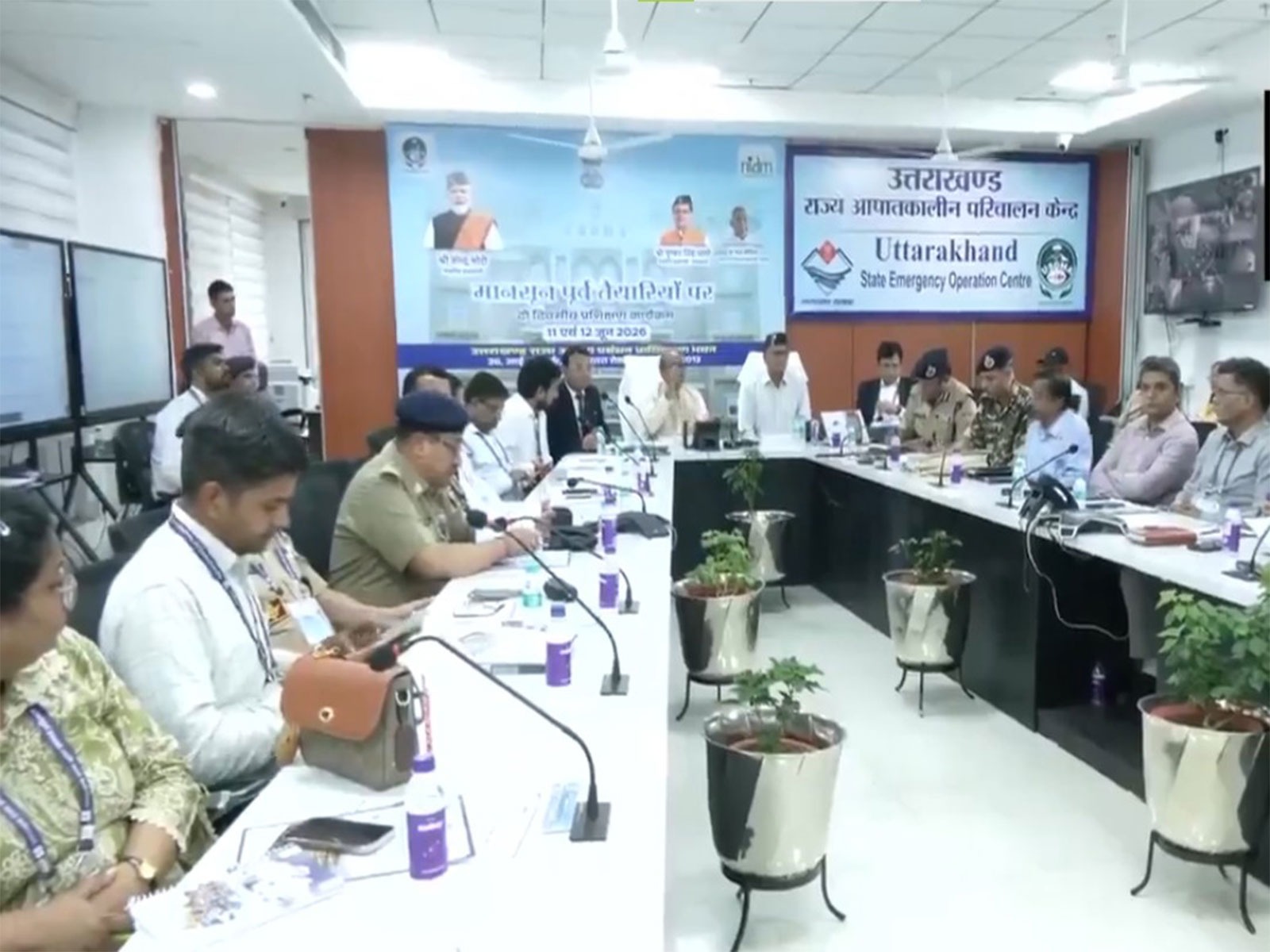
The National Institute of Disaster Management, the Ministry of Home Affairs, and the USDMA launched a critical two-day National Workshop on Monsoon Preparedness in Dehradun. The joint initiative establishes strict directives for urban drain clearing, river dredging, and pre-positioning emergency food and medical supplies across high-altitude regions to minimize seasonal climate risks.
DEHRADUN — A critical two-day National Workshop on Monsoon Preparedness commenced on Thursday to establish a comprehensive state strategy ahead of the upcoming rainy season. Organizers launched the collaborative event on June 11, 2026, at the Uttarakhand State Disaster Management Authority (USDMA) Building in Dehradun. The high-level conference is being jointly organized by the National Institute of Disaster Management (NIDM), the central Ministry of Home Affairs, and the USDMA. Senior officials from both central and state government bodies convened to systematically align localized response protocols with national climate safety metrics.
The launch of the National Workshop on Monsoon Preparedness coincided with immediate shifts in regional weather patterns, as heavy rain, lightning, and gusty winds lashed the Garhi Cantt area of the state capital. Given that Uttarakhand faces frequent, intense rainfall and landslide threats during the summer monsoon, this administrative initiative is being fast-tracked to insulate remote mountain settlements, urban centers, and vulnerable infrastructure networks against severe seasonal climate impacts.
Mitigating Urban Waterlogging and Executing River Dredging
A major focus of the initial technical sessions centered on minimizing seasonal flash floods within heavily populated municipal territories. State coordinators issued definitive instructions to local urban bodies to accelerate the clearance of blocked civic drainage channels before the arrival of heavy, sustained downpours.
According to technical briefs reviewed at the workshop, structural guidelines require district administrations to initiate extensive dredging operations along key river basins. Officials noted that excessive siltation has raised natural riverbeds across several regions, increasing the probability of bank overflows. Systematically clearing these channels is expected to safeguard commercial centers and residential zones from the rapid water logging typically triggered by sudden cloudbursts.
Supply Pre-Positioning for High-Altitude and Remote Communities
Addressing the unique vulnerabilities of mountain terrain, the national workshop detailed extensive logistical measures to protect high-altitude districts. Because seasonal landslides frequently isolate remote communities by blocking major highways, the administration has authorized the immediate pre-positioning of emergency supplies.
State departments are tasked with stockpiling essential food rations, medical provisions, clean water purification tools, and animal fodder inside designated regional storage centers. The pre-emptive accumulation of these assets ensures that remote populations maintain self-sufficiency if ground transportation lines remain disrupted for extended periods.
Operational Readiness and Heli-Evacuation Frameworks
The secondary phase of the preparedness blueprint addresses emergency technical responses during active flood events. Administrative heads led evaluations regarding the maintenance status and deployment speed of specialized search-and-rescue machinery across the state.
Workshop panels finalized protocols for immediate heli-evacuation missions, ensuring that aerial rescue assets can deploy quickly to medical emergencies in cut-off terrain. To support these operations, state agencies, the National Disaster Response Force (NDRF), and the State Disaster Response Force (SDRF) are conducting continuous equipment handling drills to maintain field readiness.
Official Sources Section
The disaster mitigation and logistical data detailed within this report are compiled from formal statements released by the Uttarakhand State Disaster Management Authority (USDMA), technical bulletins from the India Meteorological Department (IMD), and regulatory guidelines issued by the Ministry of Home Affairs.
Quote Section
"Today, an essential meeting has been called by the Disaster Management Department, the departments that work in coordination with them for the monsoon, and all the districts. In this meeting, detailed instructions were given regarding disaster preparedness and what preparations need to be made before the monsoon season. Prior to the monsoon, for high-altitude and remote areas where transportation is hindered due to road closures, instructions were given to stockpile essential rations, food items, medicines, and animal fodder in advance."
— Vinod Kumar Suman, Uttarakhand Disaster Management and Rehabilitation Secretary
Why It Matters
For citizens and local residents, this coordinated effort translates to improved municipal drain safety and a lower risk of urban property damage. For businesses and commercial transporters operating across the state, the systematic pre-positioning of heavy clearing machinery means road blockages on vital commercial routes will be resolved more efficiently. Travelers and religious pilgrims participating in the ongoing Char Dham Yatra can expect better early-warning updates and structured evacuation assistance from trained local field teams during sudden weather shifts.
Key Facts at a Glance
Inter-Agency Governance: The national workshop on monsoon preparedness represents a direct collaboration between the NIDM, the central Ministry of Home Affairs, and state authorities.
Urban Risk Management: Local municipal bodies are under strict orders to finish deep drain clearing and riverbed dredging to lower urban flood risks.
Logistical Security: High-altitude outposts are systematically accumulating critical food reserves and medical stockpiles before seasonal road washouts occur.
Aviation Standby: Disaster protocols have established specialized heli-evacuation paths to guarantee rapid medical extractions from isolated interior valleys.
Frequently Asked Questions
What is the primary objective of the National Workshop on Monsoon Preparedness?
The workshop brings central and state authorities together to standardize emergency communication lines, organize resource stockpiles, clear urban drainage routes, and ensure rescue machinery is ready for immediate deployment before the heavy rains start.
How is the state protecting high-altitude villages from becoming cut off?
The strategy relies on pre-positioning essential resources—such as medical supplies, grains, and livestock fodder—in remote areas before the monsoon hits, allowing these communities to sustain themselves if landslides close local roads.
What emergency rescue services are available during active monsoon disasters?
The response plan includes field deployments from the NDRF and SDRF, alongside specialized military heli-evacuation units authorized to extract individuals from areas that cannot be reached by ground transport.
Source: Uttarakhand State Disaster Management Authority Official Portal, Ministry of Home Affairs India, India Meteorological Department