Uttarakhand has become India's sixth fully literate state after reaching a 98.7% literacy rate under the Union Government's ULLAS programme. This achievement follows extensive adult education campaigns and grassroots outreach, marking a major milestone in the state's efforts to enhance digital and financial literacy among its citizens.
DEHRADUN — Uttarakhand has been officially declared a "fully literate state," becoming the sixth state in India to achieve this milestone. The certification follows the rigorous benchmarks set by the Union Government’s ULLAS (Understanding of Lifelong Learning for All in Society) programme, a key component of the National Education Policy (NEP) 2020.
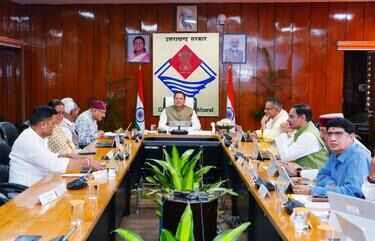
The declaration comes after the state reported a literacy rate of 98.7%, a significant rise from the 83.8% recorded in the 2023-24 period. Governor Lt Gen Gurmit Singh (Retd) granted official approval to the state’s literacy status on July 8, 2026, following a proposal approved by the Cabinet under the leadership of Chief Minister Pushkar Singh Dhami.
Achieving National Literacy Benchmarks
The attainment of this status is part of the "Nav Bharat Saaksharta Karyakram," which aims to provide functional literacy, digital skills, and financial awareness to adults aged 15 and above. Under the ULLAS framework, a state is classified as "fully literate" upon achieving an adult literacy rate of at least 95%.
State officials have noted that the 98.7% figure accounts for practical demographic realities—including advanced age and severe health conditions—that make a 100% literacy rate statistically unattainable in any large population. The current assessment covers an eligible population of approximately 1.23 crore, with only about 1.31 lakh individuals remaining in the non-literate category.
Drivers of Educational Success
The rapid improvement in literacy across Uttarakhand is attributed to a multi-year campaign involving extensive grassroots mobilization. According to government reports, the state utilized a network of literacy centres, volunteer educators, and local community outreach programs to penetrate even its most geographically challenging, high-altitude regions.
"This accomplishment is not just a statistical milestone; it represents a significant step toward building an informed, empowered, and future-ready society," said state government officials in a joint statement. The state’s focus is now shifting from initial literacy attainment to sustainability, with new initiatives centering on digital literacy, vocational training, and essential life skills aimed at improving employability for the state’s workforce.
Official Sources
Ministry of Education, Government of India: Guidelines for the ULLAS (New India Literacy Programme).
Government of Uttarakhand: Official notification and cabinet data regarding the state’s literacy achievement.
National Education Policy (NEP) 2020: Framework for educational reforms and lifelong learning.
Quote Section
"Becoming the country's sixth fully literate state is a matter of pride for every resident of Uttarakhand," said State Education Minister Dr. Dhan Singh Rawat. "We remain committed to providing quality and lifelong education to every citizen in line with the National Education Policy 2020."
Why It Matters
For citizens, this achievement translates to broader access to government services, digital banking, and economic opportunities that were previously restricted by low literacy. For the state, it serves as a critical indicator of human development progress, which could influence future social policy and attract further investment in skill-based industries.
Key Facts at a Glance
New Status: Uttarakhand is the 6th fully literate state in India.
Literacy Rate: 98.7% of the eligible population.
Programme: ULLAS (Understanding of Lifelong Learning for All in Society).
Other Fully Literate States: Mizoram, Goa, Tripura, Himachal Pradesh, and Sikkim.
Eligibility Benchmark: 95% literacy among the population aged 15 and above.
Frequently Asked Questions (FAQ)
What defines a "fully literate state" under the ULLAS programme?
A state is considered fully literate when it achieves a literacy rate of at least 95% among the population aged 15 and above, after accounting for factors like disability or advanced age.
How does this status impact residents?
Residents gain improved access to digital tools, government schemes, and financial services, fostering higher levels of social empowerment and employability.
What is the next phase of this initiative?
The state government is now transitioning to a focus on "literacy sustainability," which includes lifelong learning, advanced digital literacy, and vocational skill development.
Source: ANI News, Drishti IAS, Elets Digital Learning