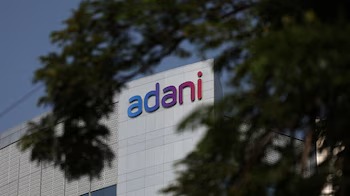
The Adani Group has partnered with cleantech firm Dioxycle to pioneer low-carbon chemical manufacturing in India. Powered by renewable electricity, the long-term initiative will deploy advanced electrolyzer technology to transform captured carbon dioxide into high-value formic acid, reducing import dependency and industrial emissions.
AHMEDABAD — The Adani Group, India’s largest integrated infrastructure and clean energy developer, has formalized a long-term partnership with cleantech pioneer Dioxycle. Announced on July 8, 2026, the collaboration aims to transform India's chemical manufacturing landscape by co-developing advanced, low-carbon industrial chemical production facilities.
The alliance focuses on scaling specialized carbon emissions recycling technology to convert captured carbon dioxide ($CO_2$) into high-value platform chemicals specifically targeting large-scale production of formic acid powered completely by renewable electricity. The joint initiative marks a critical commercial step forward in deep-decarbonization avenues for hard-to-abate industrial sectors across South Asia.
Deploying Next-Generation Electrolyzer Technology
At the core of the newly formed partnership is the integration of Dioxycle's high-efficiency carbon electrolysis systems into Adani’s expanding green hydrogen and utility manufacturing clusters in Gujarat. Rather than relying on traditional fossil-fuel-based synthesis, the joint facilities will use specialized catalytic cores driven by zero-carbon renewable electricity. This process splits and rearranges captured emissions to yield sustainable, virgin-quality chemical building blocks.
The primary commercial product of the initial phase will be formic acid, a high-demand commodity heavily consumed across several major industrial sectors:
Agriculture: Used extensively as an essential preservation agent for silage and animal feedstocks.
Textiles and Leather: Deployed at scale as an acidifying and tanning agent.
Metallurgy: Utilized as a cleaner structural element for ore leaching and hydrometallurgical extraction.
By substituting legacy, import-heavy chemical manufacturing practices with local, electrified carbon-capture conversion, the venture is engineered to offer cost parity against standard fossil-derived chemical alternatives.
Anchoring the Adani Greenprint Decarbonization Pathway
The collaboration serves as an operational extension of the "Adani Greenprint"—the group’s multi-sector infrastructure blueprint aimed at achieving net-zero emissions targets by 2050 or earlier. Adani Enterprises has already committed heavy capital toward developing a fully integrated clean technology ecosystem, including multi-gigawatt solar, wind, and hydrogen electrolyzer factories on India’s western coast.
Integrating carbon-to-chemical recycling frameworks allows the conglomerate to monetize captured greenhouse gases, treating stack emissions as a valuable carbon source.
The renewable electricity required to energize the chemical processing infrastructure will be drawn directly from Adani Green Energy’s massive clean power portfolio, which recently crossed 20 gigawatts of operational utility-scale capacity. This ensures that the entire lifecycle of the resulting formic acid carries a minimal net-carbon footprint.
Official Sources Section
According to statutory statements filed with the National Stock Exchange of India and shared corporate briefs, the partnership will scale up through phased industrial pilots before expanding into large-scale commercial plants. Strategic asset distribution remains in full alignment with the Ministry of Chemicals and Fertilizers and the broader mandates of India's National Green Hydrogen Mission.
Executive and Advisory Commentary
"Our breakthrough innovations give industrial partners access to cheaper, drop-in chemicals with a clean carbon footprint," noted a tech briefing from Dioxycle regarding its corporate efficiency targets. "By combining our high-efficiency electrolyzer platforms with world-scale renewable power generation, we can structurally displace legacy fossil production lines without hurting the economic bottom line."
"According to officials familiar with the long-term roadmap, localizing low-carbon chemical production solves two critical issues for the Indian economy simultaneously. It actively lowers import dependence on base chemical compounds while providing industrial manufacturers a highly scalable, verified carbon-utilization mechanism to meet upcoming national ESG disclosure standards."
Why It Matters
For consumer product manufacturing, agriculture, and industrial chemical users, the partnership secures a stable, domestic supply of vital chemicals insulated from global geopolitical disruptions and volatile shipping costs. For global climate initiatives, the commercial integration of carbon recycling demonstrates that large-scale infrastructure can transition from basic emissions mitigation directly into active circular economy loops.
Key Facts at a Glance
Partnership Scope: Strategic long-term alliance between Adani Group and cleantech developer Dioxycle.
Primary Output: Manufacturing sustainable formic acid and related chemical building blocks via carbon recycling.
Energy Catalyst: Fueled entirely by zero-emission renewable electricity tapped from domestic solar and wind arrays.
Economic Advantage: Structured to deliver drop-in quality chemicals at cost parity or a discount relative to imported fossil options.
Frequently Asked Questions
What is the primary technology used in the Adani-Dioxycle partnership?
The project leverages next-generation carbon electrolysis technology, using specialized catalytic cores and renewable power to convert captured carbon emissions into usable industrial chemicals.
Why was formic acid chosen as the first product focus?
Formic acid is a highly versatile platform chemical with massive domestic demand across Indian agriculture, textile processing, and leather tanning industries, which currently rely heavily on foreign imports.
Where will the renewable electricity for this chemical production come from?
The clean energy will be sourced directly from the Adani portfolio's large-scale wind and solar infrastructure located across western India, ensuring a zero-carbon manufacturing process.
Source: Official joint business statements released by Adani Portfolio Media Center, technology capability specifications archived by Dioxycle Corporate, and environmental disclosure filings indexed with the Securities and Exchange Board of India.