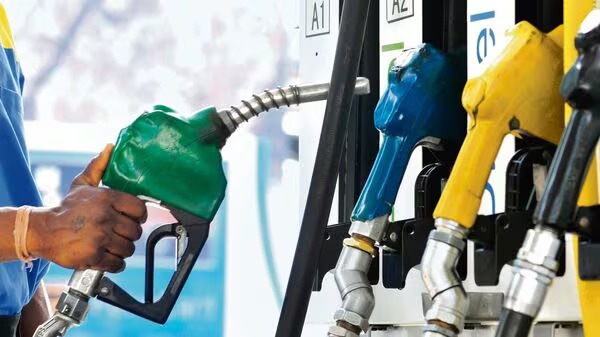
Domestic petrol, diesel prices today remained stable across major Indian cities, including Delhi, Mumbai, Bengaluru, and Kolkata. This retail flatlining stands in contrast to international energy markets, where Brent crude oil values rallied close to $79 per barrel on the back of rising Middle East supply anxieties.
NEW DELHI — Domestic state-run oil marketing companies (OMCs) held petrol, diesel prices today unchanged across major metro cities, including New Delhi, Mumbai, Bengaluru, and Kolkata. This retail stability comes despite a sharp international market movement where global benchmark Brent crude sustained a strong rally.
Crude prices surged close to the $79-per-barrel threshold following fresh military friction between the United States and Iran, prompting global energy analysts to monitor domestic downstream fuel matrices for potential near-term revisions.
Retail Fuel Costs Across Key Metropolitan Cities
As of the morning state-issued notifications on July 9, 2026, domestic retail fuel rates show persistent variance due to state-level Value Added Tax (VAT) adjustments and local freight levies:
New Delhi: In the national capital, petrol prices today are holding flat at ₹102.12 per liter. Concurrently, diesel continues to retail at ₹95.20 per liter.
Mumbai: Consumers in the financial capital face the steepest costs among the primary metros. Petrol is marked at ₹111.21 per liter, while the diesel rate stands firm at ₹97.83 per liter.
Bengaluru: The tech hub records petrol prices today at ₹110.82 per liter. Retail diesel remains pegged at ₹98.77 per liter.
Kolkata: Pump metrics in the eastern metropolis place petrol at ₹113.51 per liter and diesel at ₹99.82 per liter.
The standard retail freeze marks a continued pause by domestic public sector oil units, who have prioritized local consumer price shielding over immediate global market synchronization.
Brent Crude Rally Reshapes Global Energy Benchmarks
The underlying global petroleum market tells a much more volatile story. Brent crude futures gained approximately 1% in early hours to trade around $78.80 per barrel, with peak intra-day contracts tipping past $79.15. The rally marks a third consecutive session of gains for global benchmarks.
The immediate trigger for the upward trajectory centers on intensified geopolitical risks along crucial energy trade corridors. Following the conclusion of a temporary ceasefire agreement, fresh US military strikes targeted positions inside Iran.
This sudden escalation has introduced significant anxiety regarding supply flows traveling through the critical Strait of Hormuz, a transit choke point responsible for moving nearly one-fifth of the world's daily petroleum consumption. Market analysts at major trading institutions warn that extended security closures or shipping blocks in the region could quickly elevate international crude indices into the mid-$80 zone.
Official Sources Section
Daily fuel rate updates are uniformly governed and published by state-owned corporations including the Indian Oil Corporation Limited, Bharat Petroleum Corporation Limited (BPCL), and Hindustan Petroleum Corporation Limited (HPCL). Global energy trading values are referenced through official daily close sheets provided by the Intercontinental Exchange (ICE) and summarized by reports compiled through the Ministry of Petroleum and Natural Gas.
Market and Expert Commentary
"While international crude values face acute upward pressure from heightened Middle East risk premiums, domestic retail prices remain insulated due to strategic reserves and steady baseline imports," noted an energy policy specialist from a New Delhi economic tank. "However, if Brent crude breaks past the $82 floor sustainably, state OMCs will face margin constraints that could trigger an upward revision in petrol, diesel prices today."
According to officials from state distribution units, "Daily pricing mechanisms are constantly evaluated against a 15-day rolling average of international product costs, and current retail cushions remain adequate to absorb temporary geopolitical spikes without penalizing consumers at the pump."
Why It Matters
Fuel pricing directly alters microeconomic dynamics. For ordinary citizens and commuters, a sustained retail price freeze prevents immediate transport fare spikes and curbs inflationary pressure on retail household budgets. For corporate logistics providers and consumer goods firms, predictable fuel expenditures provide operational clarity, keeping freight overheads stable despite volatile global crude oil conditions.
Key Facts at a Glance
Price Freeze: Petrol, diesel prices today remain unchanged across Delhi, Mumbai, Kolkata, and Bengaluru.
Global Benchmark: Brent crude sustains a 3-day rally, hovering close to $79 per barrel following localized US military interventions.
Regional Disparity: Mumbai retains the highest fuel overheads among major metros, with petrol holding at ₹111.21 per liter.
Supply Risks: Maritime traffic security near the vital Strait of Hormuz is under heavy scrutiny by international energy traders.
Frequently Asked Questions
Why do petrol, diesel prices today vary across different Indian cities?
Retail rates differ primarily due to varying state-level Value Added Taxes (VAT), local municipal octroi duties, and relative freight costs from refining centers to local pumps.
How do global Brent crude spikes affect Indian retail consumers?
India imports over 85% of its crude oil requirements. While short-term spikes are absorbed by state-owned oil marketing companies, prolonged crude rallies usually force retail adjustments at local pumps.
When are daily fuel rates updated in India?
State-run oil corporations revise domestic fuel metrics daily at 6:00 AM IST, aligning local charts with broader international product averages and currency exchange valuations.
Source: Corporate price disclosures published by the Indian Oil Corporation Limited, trading index updates archived by the Intercontinental Exchange, and energy tracking bulletins managed by the Ministry of Petroleum and Natural Gas.